LM-79 Moving Detector Goniophotometer (Mirror Type C)
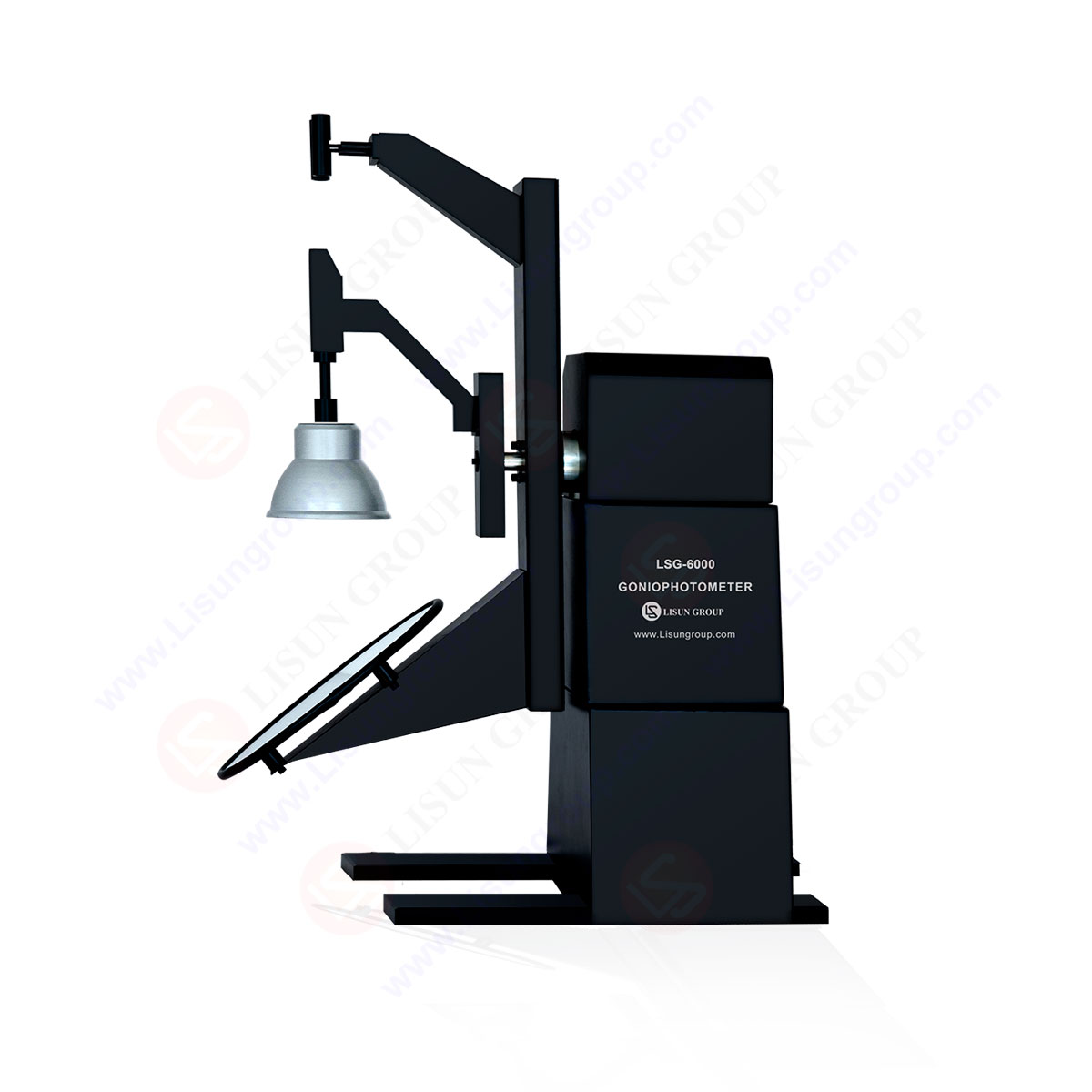
LSG-6000
High Precision Rotation Luminaire Goniophotometer
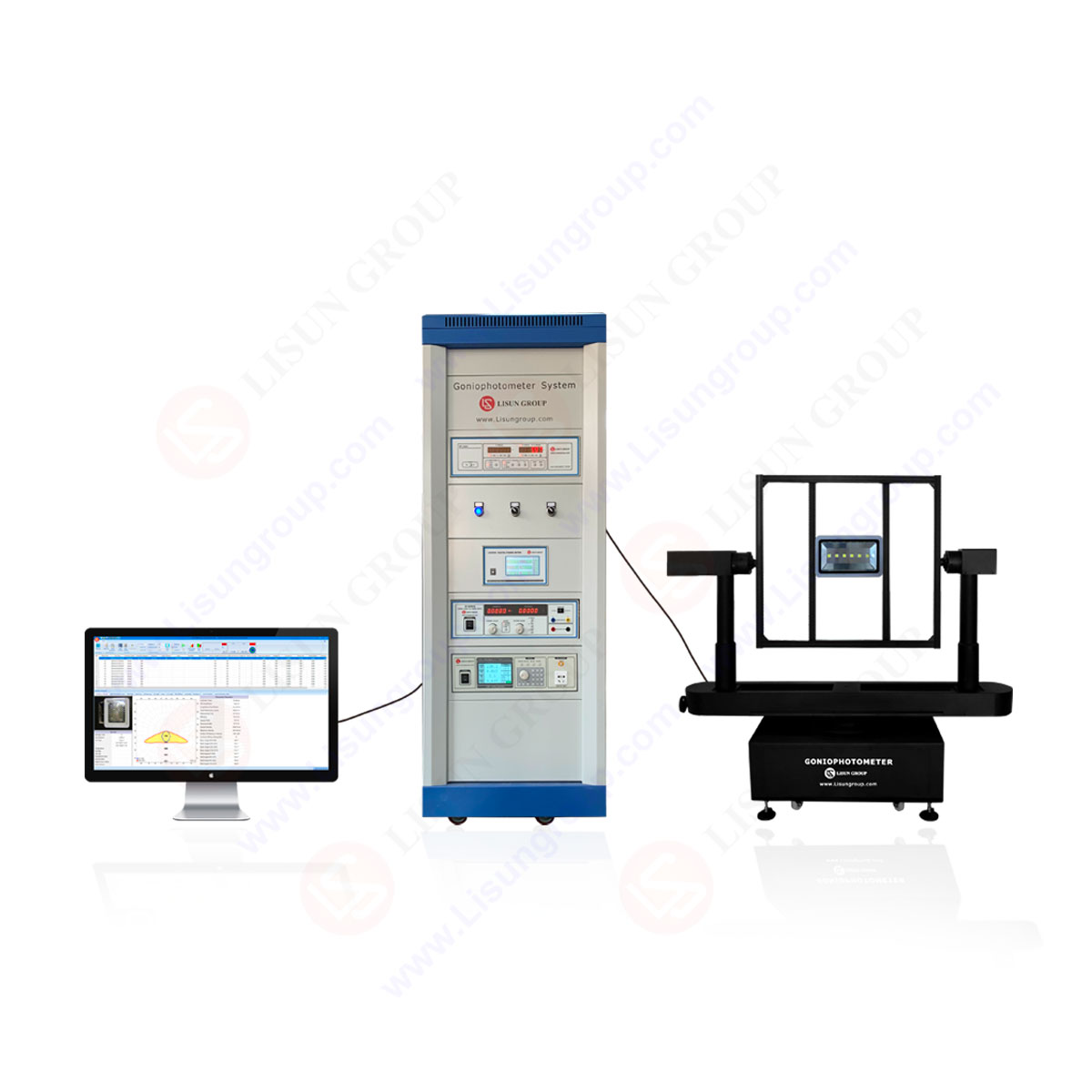
LSG-1890B
High Precision Rotation Luminaire Goniospectroradiometer
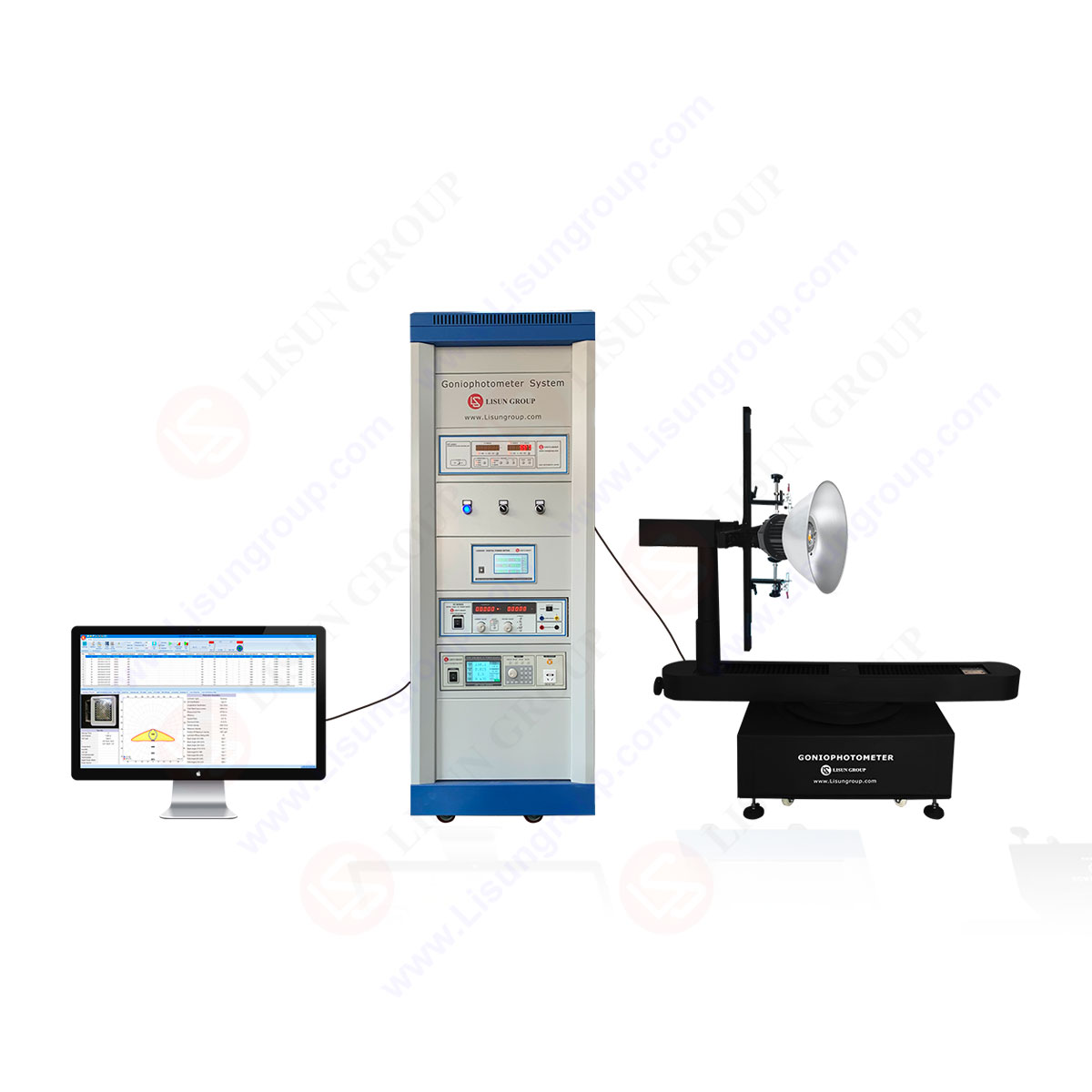
LSG-1890BCCD
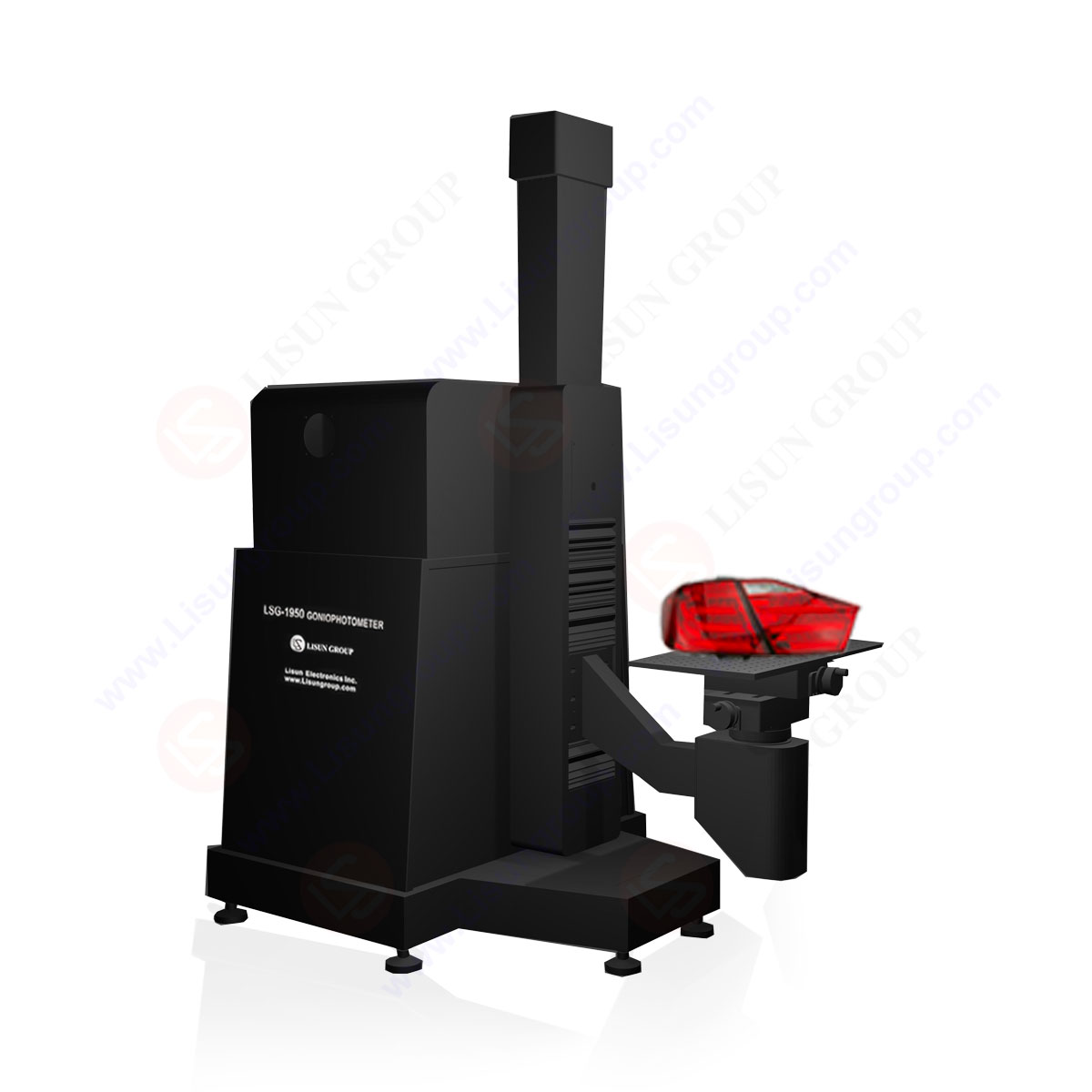
Goniophotometer for Automotive and Signal Lamps
LSG-1950
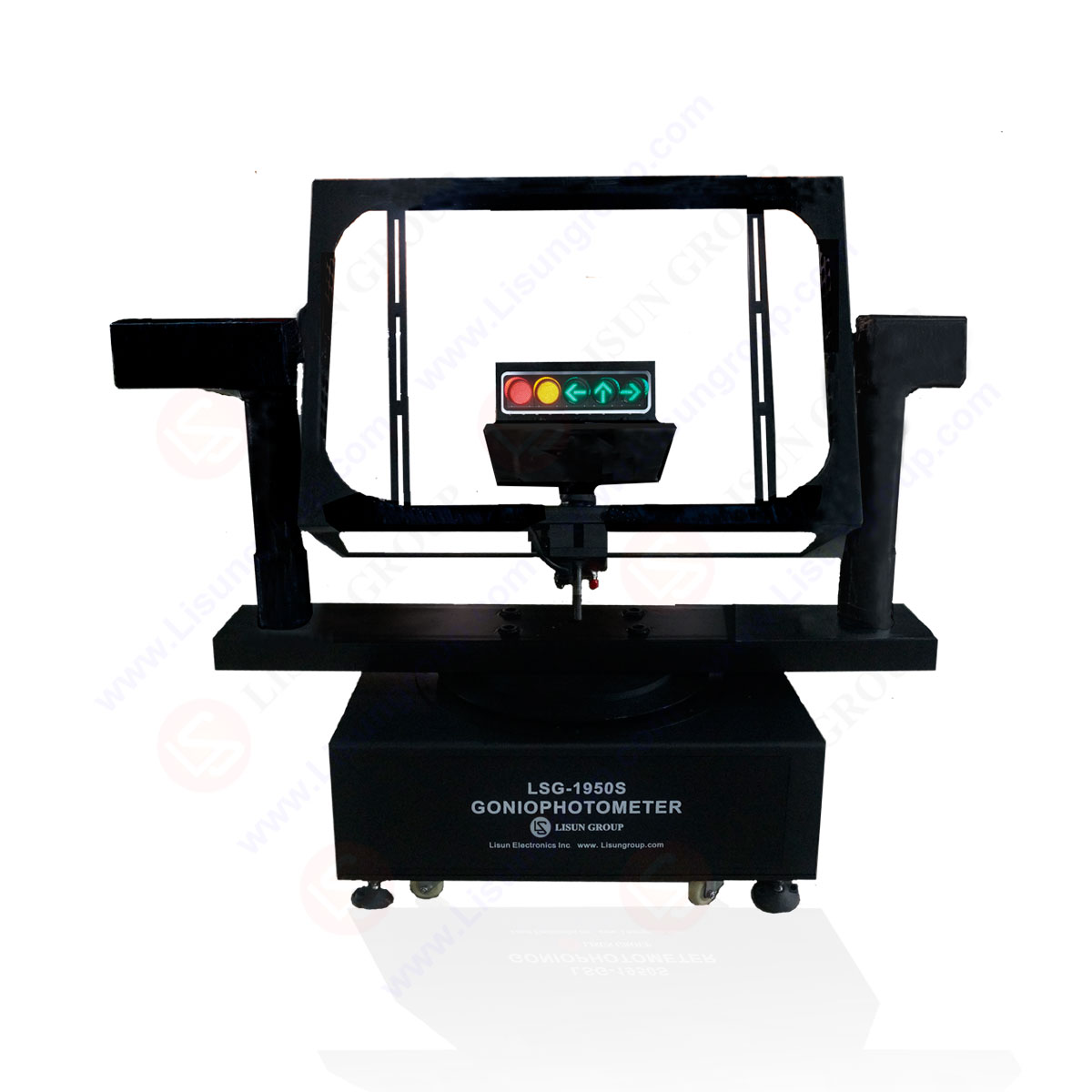
Goniophotometer for Traffic Signal Lamps
LSG-1950S
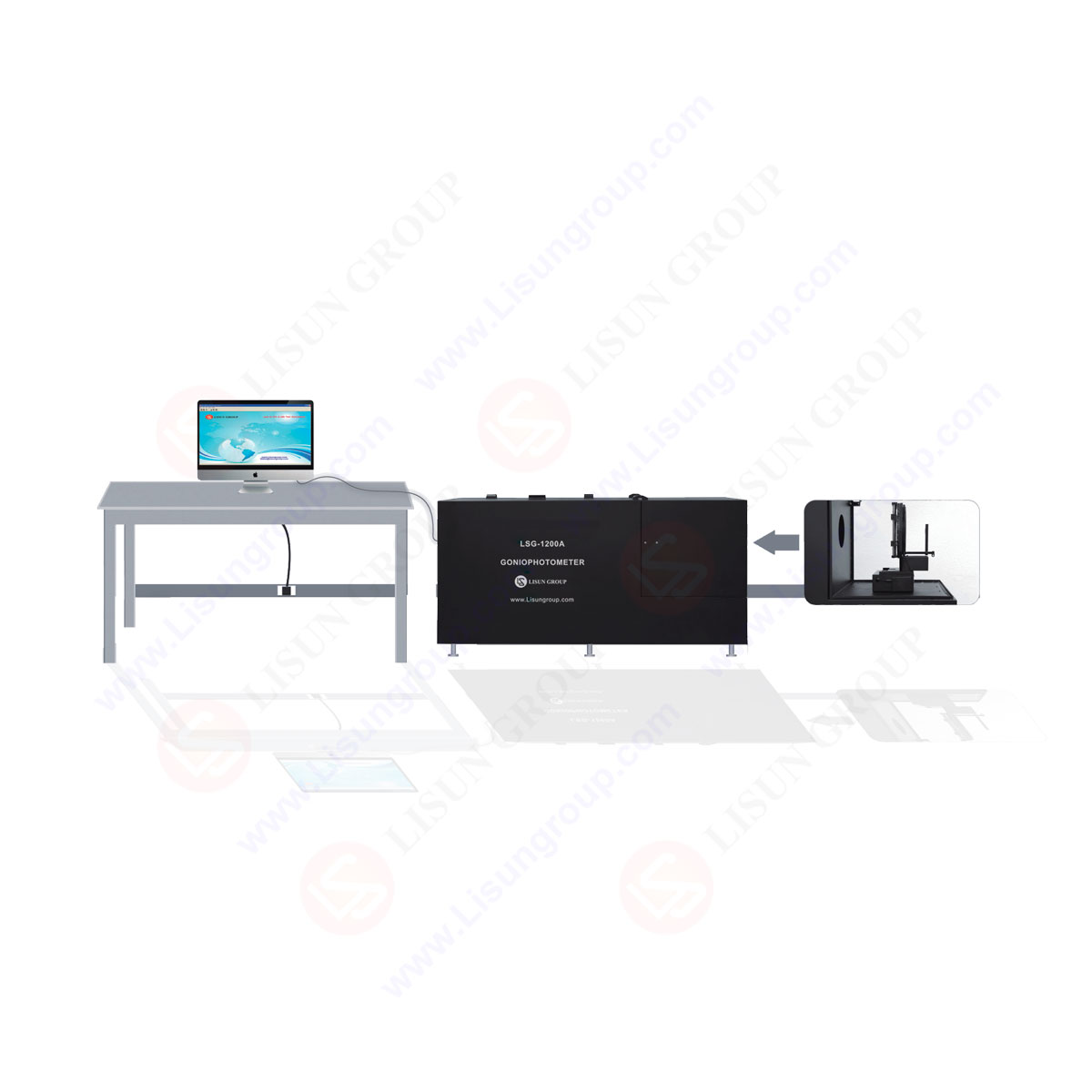
Compact Goniophotometer
LSG-1200A

Near Field Moving Detector Goniophotometer
LSG-1900B
 LEDs and Luminaire Test Solutions
 LM-79 and LM-80 Test Solutions
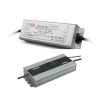 LED Driver Test Solutions
 Household Appliances Test Solutions
 Mobile and Network Test Solutions
 Automotive Electronics Test Solutions
 Audio-Video and IT Test Solutions
 Cable and Wire Test Solutions
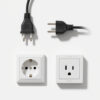 Plugs and Sockets Test Solutions
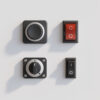 Power Switch Test Solutions
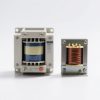 Transformer Test Solutions
 Electric Toys Test Solutions
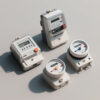 Energy Meter Test Solutions
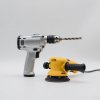 Motor-Operated Tool Test Solutions
Select an organization
to browse standards
Why Is ESD Testing Important?
Monitoring the efficiency of your tools is crucial while trying to maintain an Electrostatic Protected Area (EPA). The most recent ESD Standard IEC 61340-5-1 now mandates routine testing of EPAs and ESD protection devices such wrist straps, foot grounders, work surfaces, and flooring. Purchasing ESD testing tools that can detect when electronics lose their antistatic properties enables you to protect both the equipment’s and your employees’ safety. Regular testing of your antistatic equipment enables you to spot any emerging concerns, allowing for prompt resolution of these problems.
The sooner an issue with your antistatic equipment can be identified, the sooner you can take corrective action to limit harm or stop it from happening in the first place. ultimately saving you money, time, and the expense of replacement parts.
Importance of testing
a) Checking for a short circuit to ground, which might be dangerous, at 0.9 meh-ohm ensures that you do not have one. According to calculations, 0.75 megohm will provide safety against 250v a.c (500v d.c.)
b) You will not be overly resistant to the ground with a 35 megohm resistance.
What Is ESD Testing?
An electromagnetic compatibility test is ESD testing (EMC test). ESD testing mimics different electrostatic impacts that equipment may encounter while in use or while being transported. A product’s compliance with its ESD protection area and procedures is determined by an electrostatic discharge test. ESD can spread by contact or the air. The human body approach is the most popular ESD test (HBM). The test mimics the impact of a human discharging electrical energy onto an electronic component. This energy is a buildup of static.

Electrostatic Discharge (ESD) IC Tester
Two ESD test procedures exist. The air method and the contact method are the two options. When using the air approach for ESD testing, a charged generator or discharge object, such as an ESD gun, is moved in the direction of the equipment being tested.
Numerous factors may have an effect on ESD testing. These include temperature, humidity, and the velocity of the discharge object as it approaches the test instrument.
Low temperature and low humidity settings are substantially more conducive to ESD incidents.
The mode of contact ESD testing aids in reducing the influence of environmental factors like humidity and temperature. In order to conduct this test, an ESD generator must be in close proximity to the test object. Throughout the entire exam, this contact is maintained. Contact ESD rarely happens spontaneously, despite the fact that this test method is often consistent across environmental conditions.
An ESD test verifies that the apparatus appropriately performs in accordance with the test specification and the manufacturer’s operating instructions. ESD testing is typically a smaller component of a broader EMC test strategy for compliance with product certification.
ESD Test Equipment
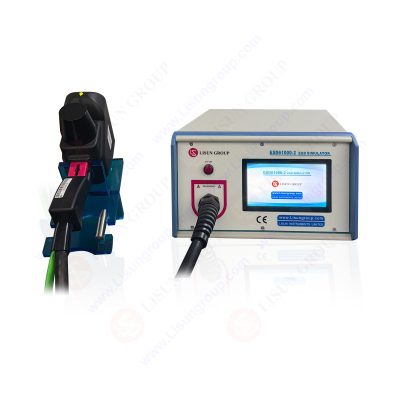
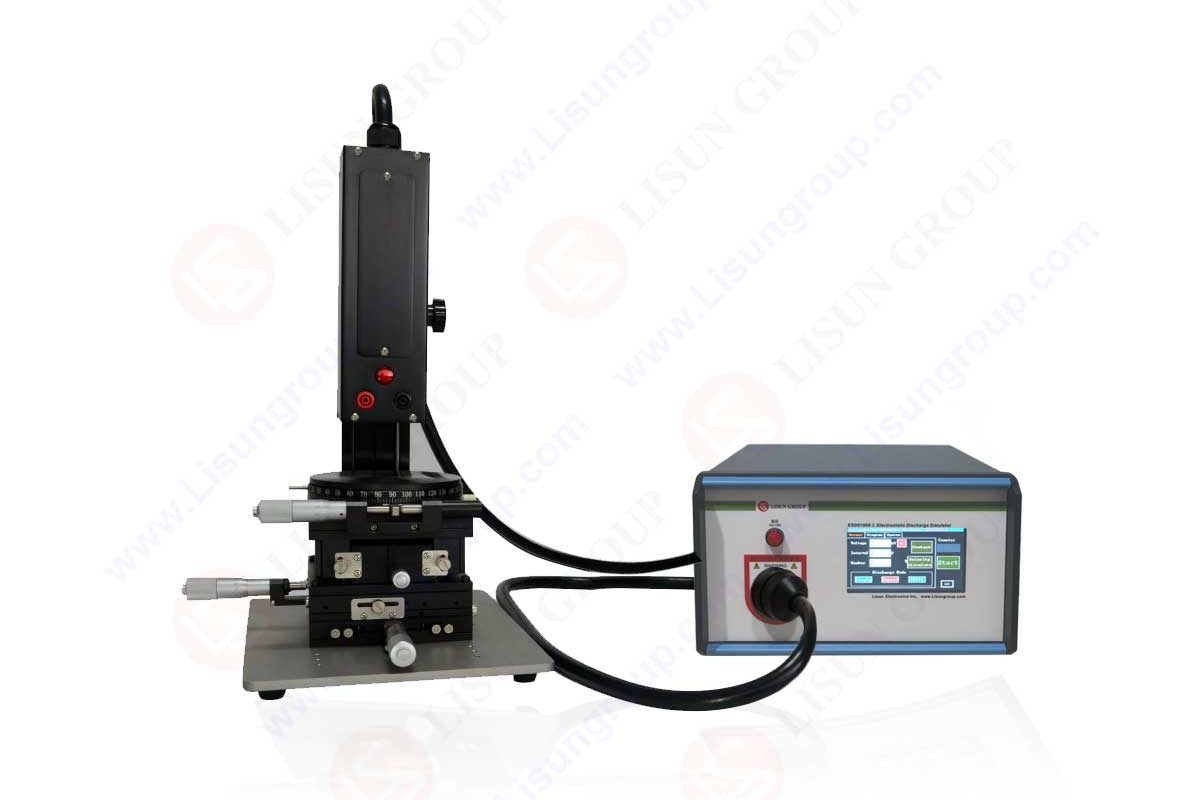
ESD guns, also referred to as ESD simulator guns, are frequently used tools in ESD testing. Similar to their ionizer counterparts, these simulators are portable and small enough to be carried by the user and employed in a variety of settings. ESD simulator guns can be programmed to detect voltages between 16kV and 30kV. Depending on the circumstance and testing requirements, it can be further modified. It was designed to be adaptable and nimble in order to pass worldwide ESD testing standards.
To avoid Electro-Static Discharge (ESD) incidents harming the product, ESD tables are used in assembly lines and repair facilities. In the electronic sector, they are a crucial component of many Electrostatic Discharge Protected Areas (EPAs).
ESD tables
Instead of fully conductive surfaces, ESD tables use high resistance dissipative surfaces. Surface resistance for dissipative materials ranges between 1 x 10⁵ and 1 x 10¹¹ ohms/square, while surface resistance for conductive materials is less than 1 x 10⁵ ohms/square.
The high impedance of the high resistance dissipative surfaces avoids short circuits and rapid discharges, lowering the likelihood of product damage. A high resistance dissipative surface also better protects the operator’s safety in the unlikely case that the system contains high voltages.
Human Body Model (HBM)
Test engineers and electricians both utilize this approach since it is the simplest and most popular. Usually, this is used to test equipment and products that are not intended for commercial usage. The test, which is named after the human body, takes into consideration the electrostatic charges that have collected in the body as a result of daily activities. Some of these involve rubbing feet, toes, or shoulders. There will be a quick burst of energy from person to person or from an object to a person if the equipment responds to the static energy in the skin.
Calibration
The accuracy of your ESD testing equipment is determined by the calibration process, which is essential. Getting a reading from the instrument and comparing it to a reading from a standard instrument are the two steps in the procedure. An instrument must also have its precision and accuracy adjusted during calibration for its readings to match the defined standard.
What Equipment Needs an ESD Testing Procedure?
• Wrist Straps
• ESD Shoes
• Surface Resistivity Meter
• Resistance Test Kit
• Constant Monitors
• Electrostatic Field Monitors
• Personnel Testing
ESD testing for workplace
By doing ESD tests at work, you can make sure that your equipment is still capable of effectively grounding electrostatic charges. Performing routine ESD tests will benefit your company in the following ways:
• Highlight Dangers
• Spot Faulty ESD Equipment
• Monitor Static Charge
FAQs
What means ESD?
The release of static electricity when two items touch is known as an electrostatic discharge (ESD). Examples of ESD include the jolt we get when we touch a metal doorknob or walk across carpet, as well as the static electricity we experience after drying clothes in a dryer.
What is ESD air discharge?
The fast release of energy between two objects with different potential charges known as an electrostatic discharge (ESD) is brought on by the accumulation of static electricity and often occurs by contact discharge or air.
Lisun Instruments Limited was found by LISUN GROUP in 2003. LISUN quality system has been strictly certified by ISO9001:2015. As a CIE Membership, LISUN products are designed based on CIE, IEC and other international or national standards. All products passed CE certificate and authenticated by the third party lab.
Our main products are Goniophotometer, Integrating Sphere, Spectroradiometer, Surge Generator, ESD Simulator Guns, EMI Receiver, EMC Test Equipment, Electrical Safety Tester, Environmental Chamber, Temperature Chamber, Climate Chamber, Thermal Chamber, Salt Spray Test, Dust Test Chamber, Waterproof Test, RoHS Test (EDXRF), Glow Wire Test and Needle Flame Test.
Please feel free to contact us if you need any support.
Tech Dep: Service@Lisungroup.com , Cell/WhatsApp:+8615317907381
Sales Dep: Sales@Lisungroup.com , Cell/WhatsApp:+8618117273997
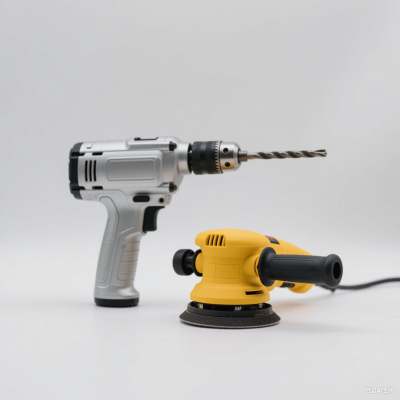
LISUN’s Motor-Operated Tool | Power Tool Testing solutions strictly comply with a range of core international standards, providing full support for safety and electromagnetic compatibility (EMC)...

LISUN’s electric toy testing solutions cover IEC 62115, EN 71-1, ASTM F963 standards. Including electrical, mechanical, flammability tests to ensure toy safety compliance globally.
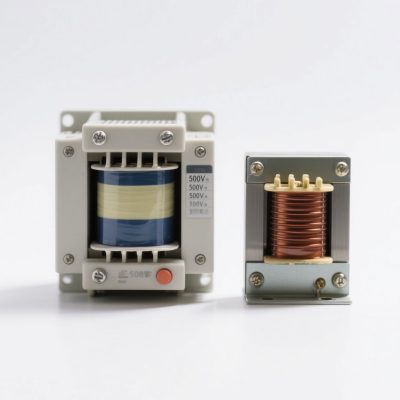
LISUN’s transformer test solutions meet IEC 61558-1, IEC 60076-1, IEC 62041 standards. Covering safety, performance, EMC tests, ensuring transformers comply with global requirements.
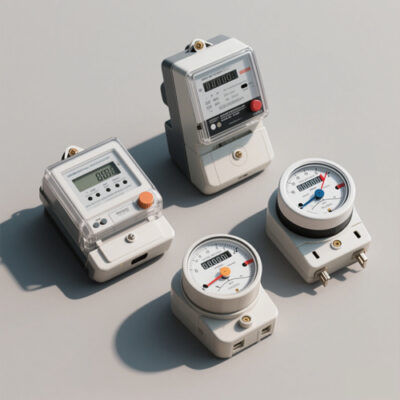
LISUN’s energy meter testing solutions align with IEC 62052-11, IEC 62053 series standards. Covering safety, electrical, environmental, and EMC tests, we help manufacturers meet global compliance...
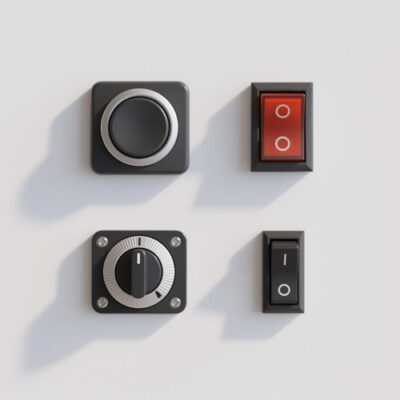
LISUN’s household and appliance switch testing solutions meet IEC 60669, IEC 61058, IEC 62271 standards. Covering electrical, mechanical & EMC tests for global compliance.

LISUN’s automotive electronics test solutions cover photometric/colorimetric testing, EMC immunity tests, IP waterproof/dustproof tests, and environmental simulation, meeting ISO, SAE, ECE standards.
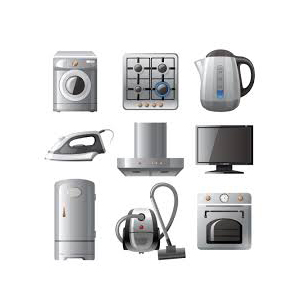
LISUN has all equipment according to the IEC60669 measurement, including environmental chamber, IP code waterproof dustproof test, switch lift test, etc.
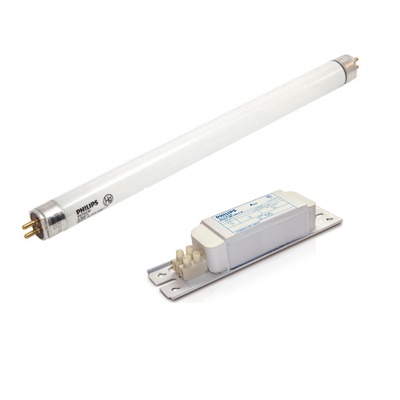
Lisun can supply full test solutions for fluorescent lamp, including integrating sphere system, goniophotometer system, EMI EMC test, electronic ballast tester, electrical safety test, etc.
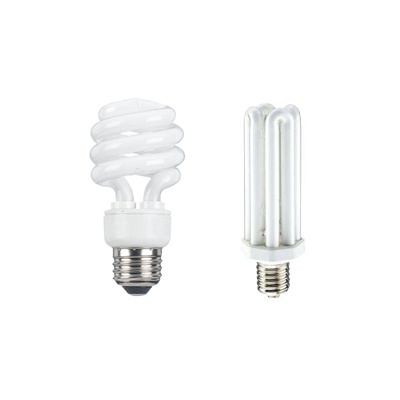
For the CFL design and manufactory, LISUN can supply a full quality control test solution, including photometric, colorimetric, electricity, flicker, IES candela distribution, surge test, electrical...
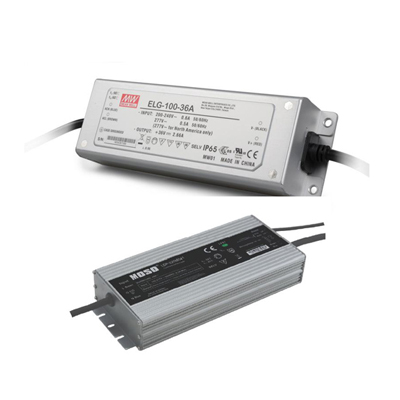
LISUN’s LED driver test solutions cover lab testing, online testing, EMC/EMI tests, and safety checks, meeting IEC 60335, UL 60335 standards for reliable performance evaluation.

 English
 中文简体
中文简体 English
 Русский
 Español
 Português
 Türkçe
 العربية
 Deutsch
 Polski
 Italiano
 Français
 한국어
한국어 ไทย
ไทย Tiếng Việt
 日本語
日本語