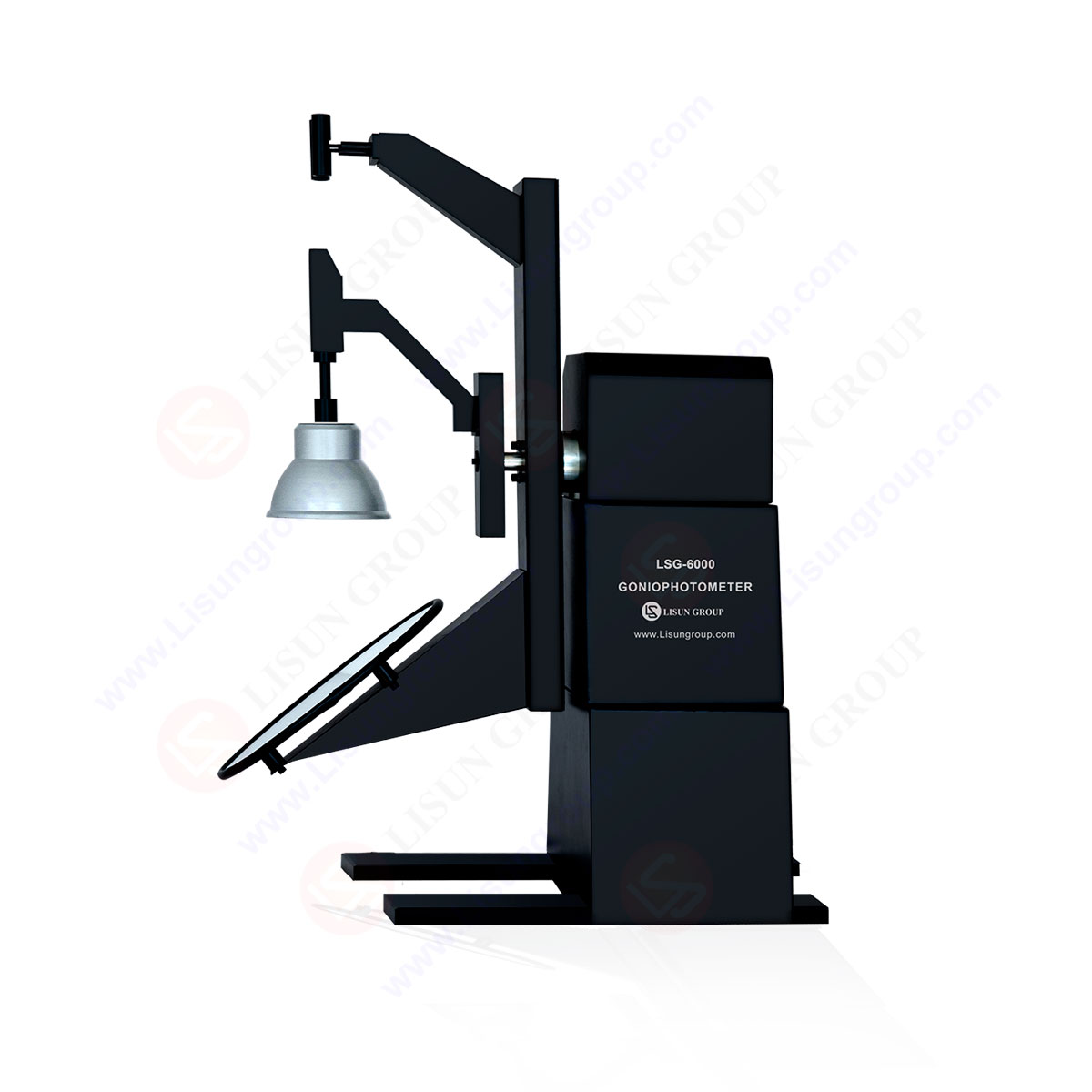
LM-79 Moving Detector Goniophotometer (Mirror Type C)
LSG-6000
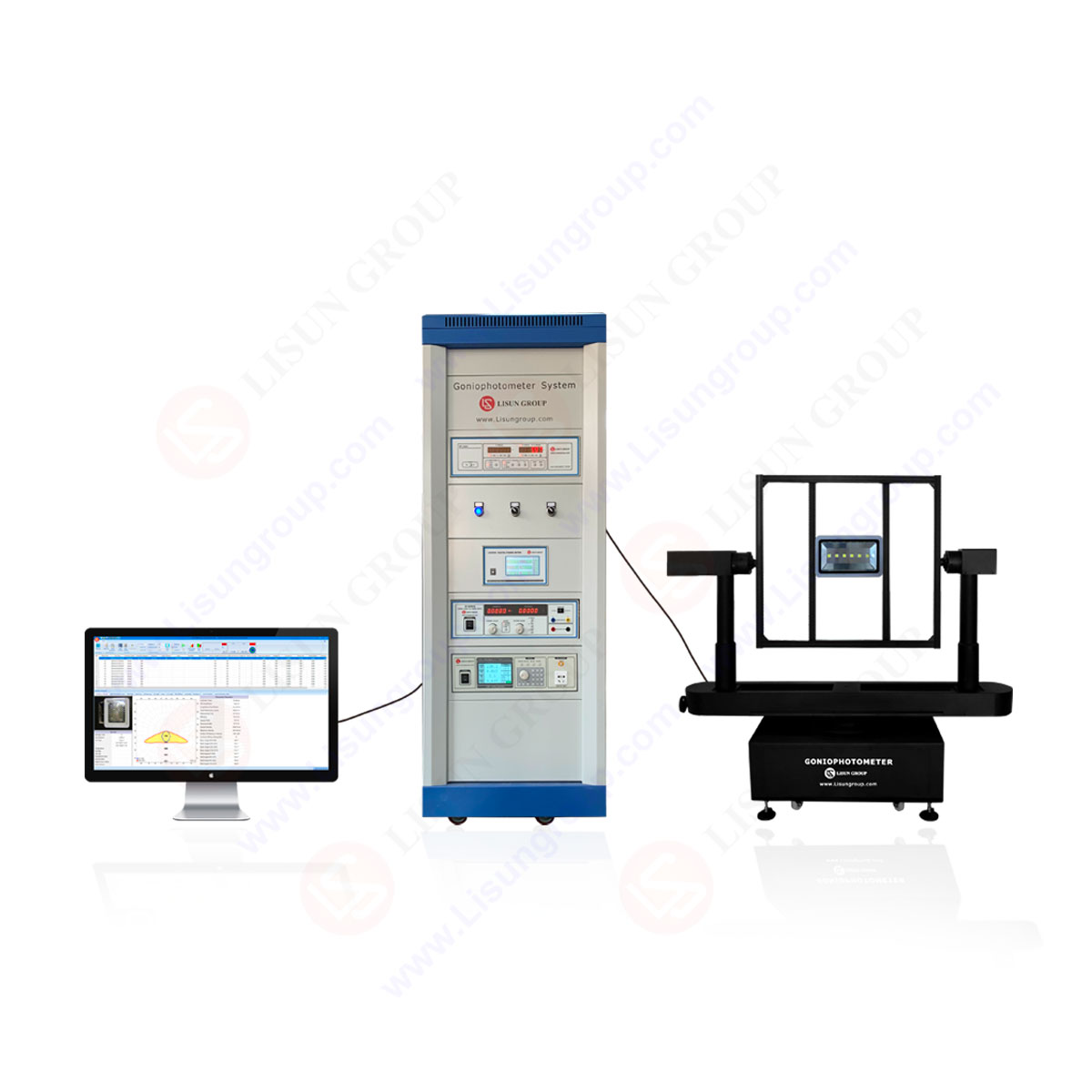
High Precision Rotation Luminaire Goniophotometer
LSG-1890B
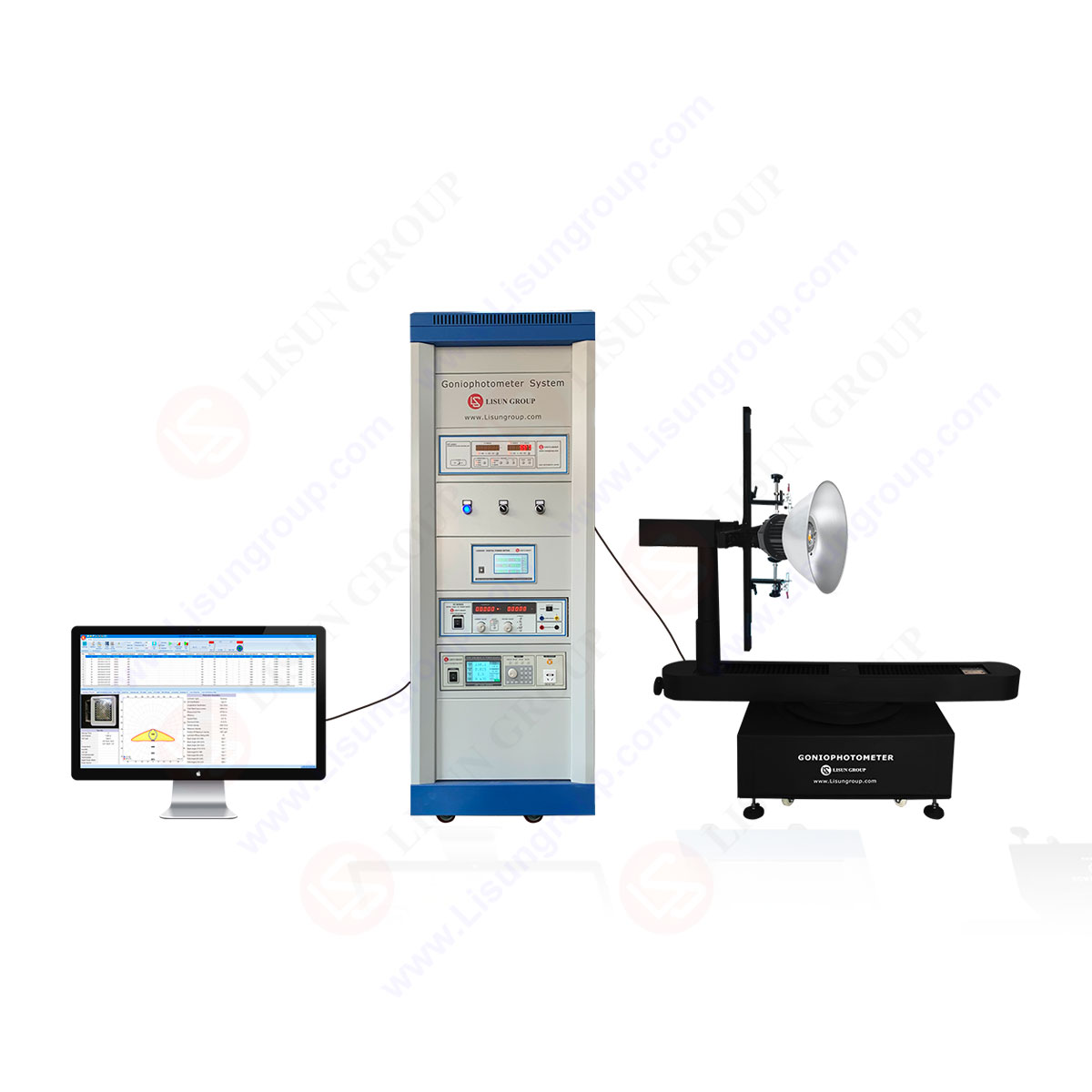
High Precision Rotation Luminaire Goniospectroradiometer
LSG-1890BCCD
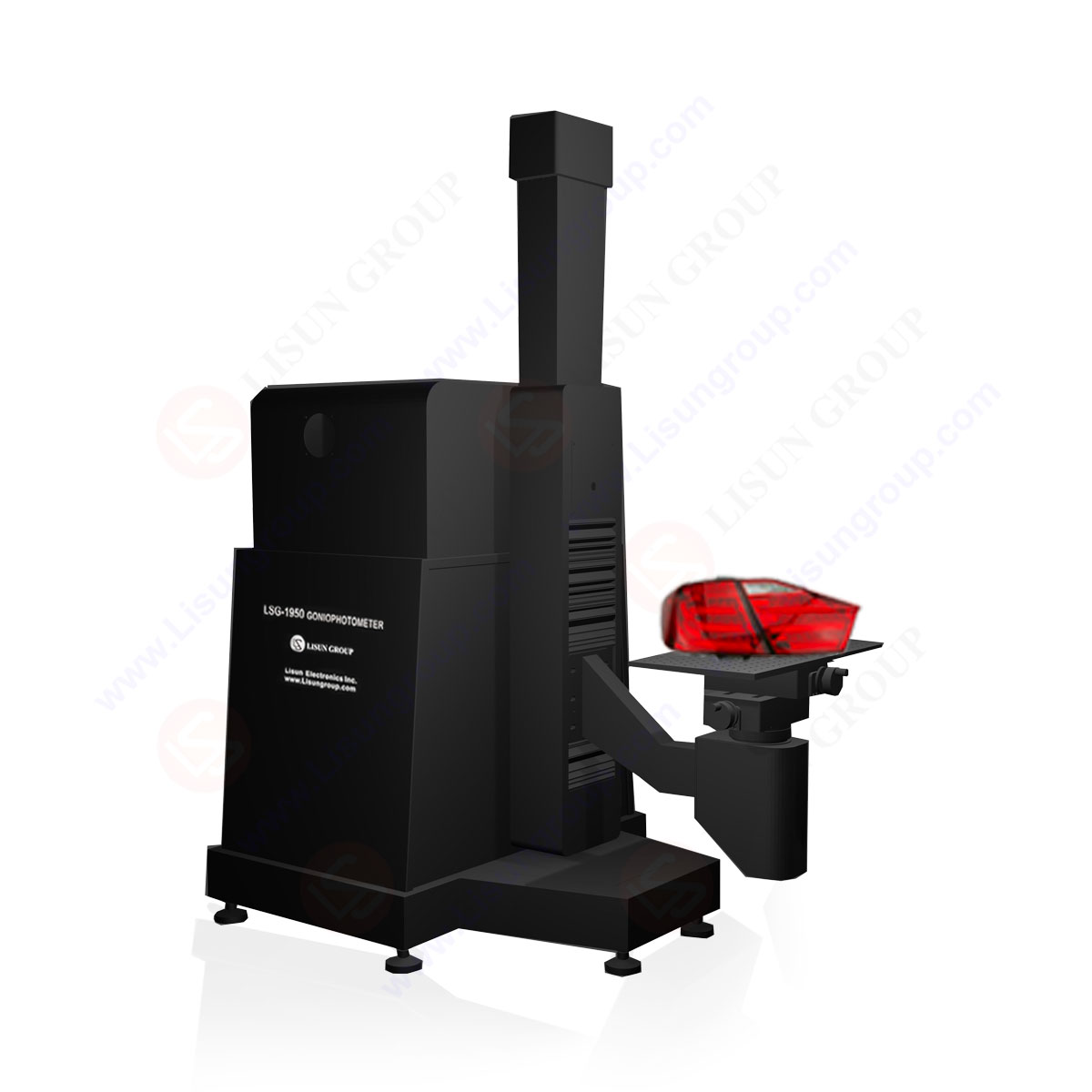
Goniophotometer for Automotive and Signal Lamps
LSG-1950
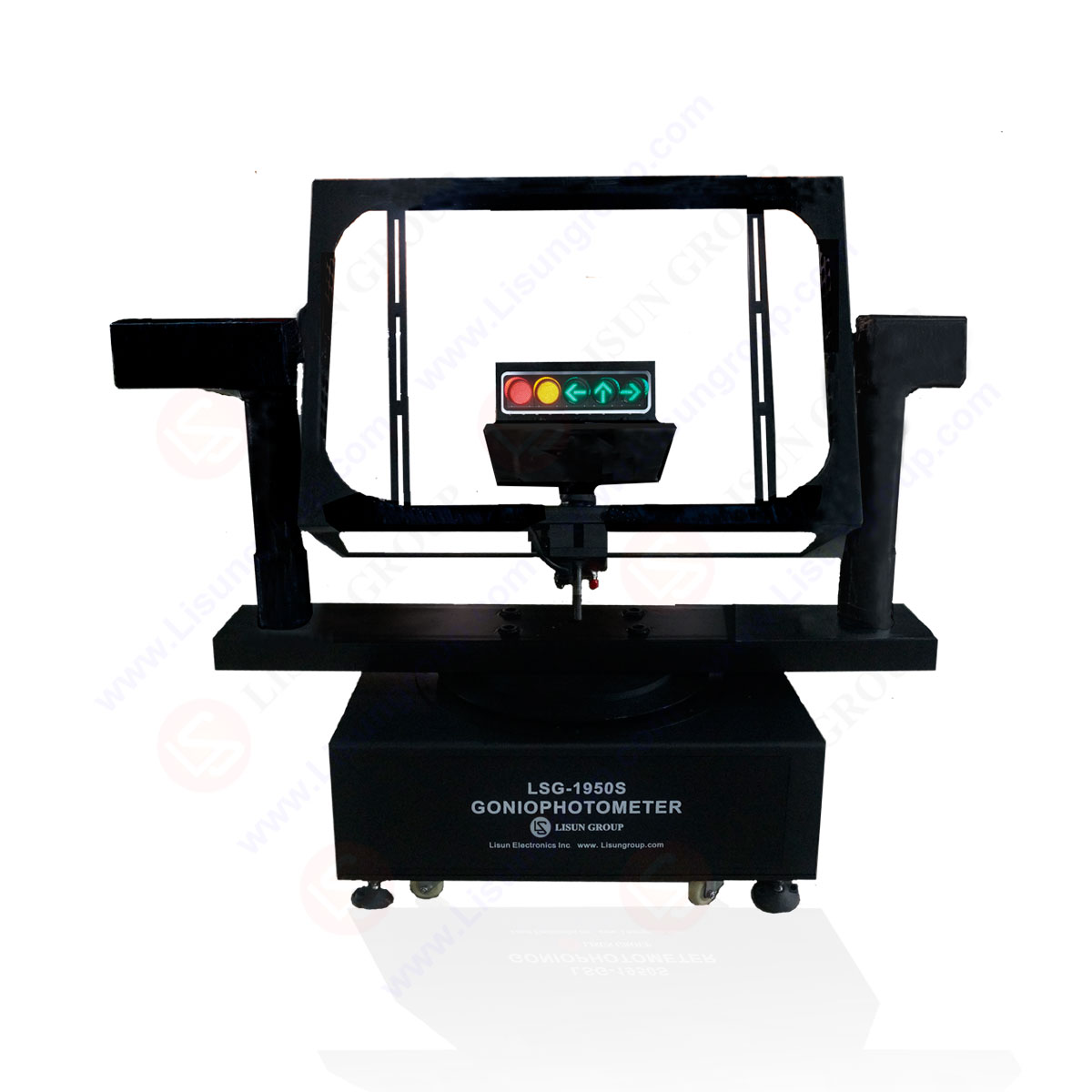
Goniophotometer for Traffic Signal Lamps
LSG-1950S
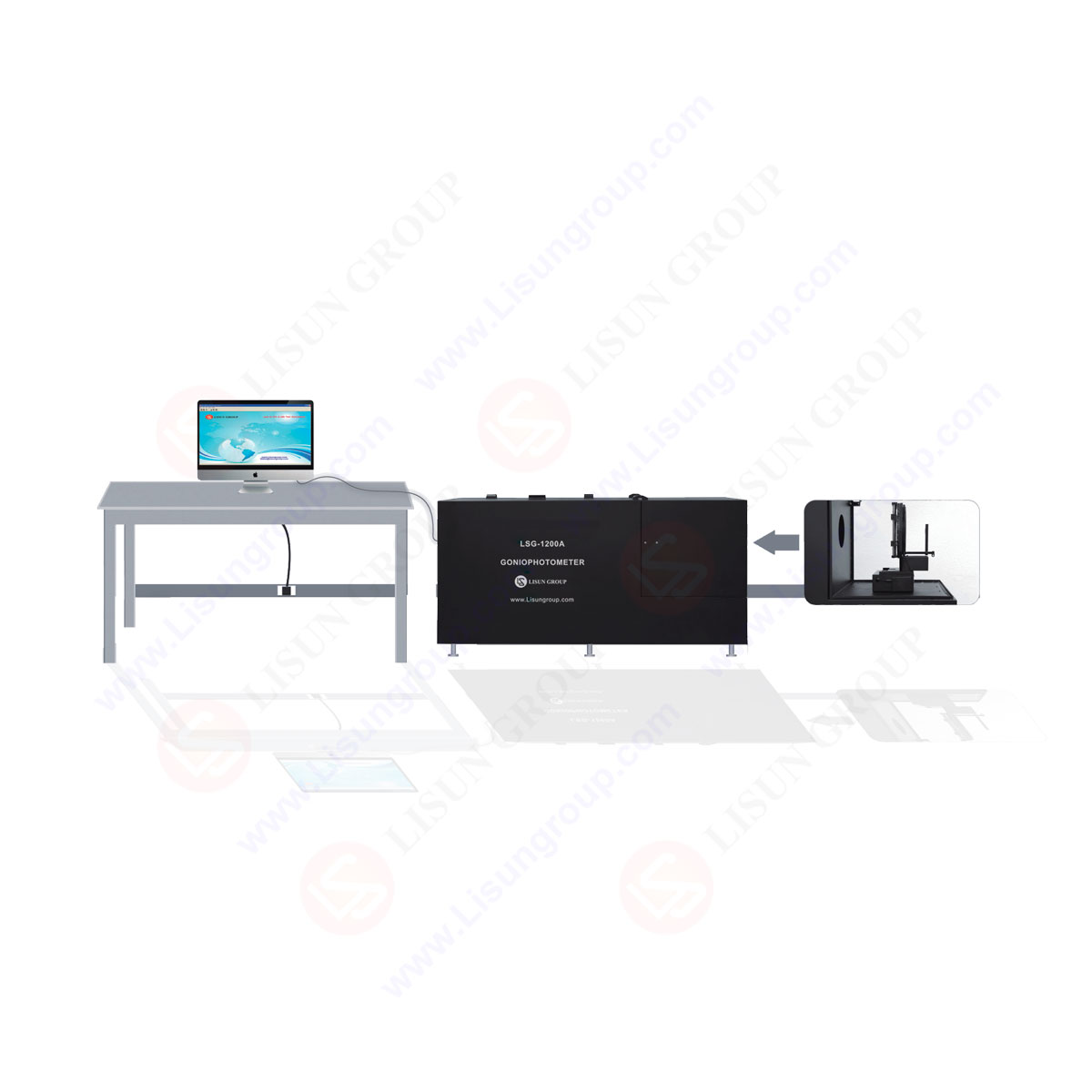
Compact Goniophotometer
LSG-1200A

Near Field Moving Detector Goniophotometer
LSG-1900B
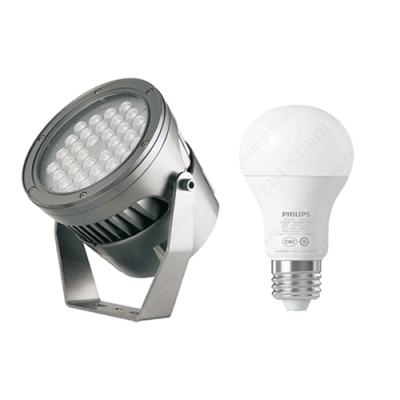 LEDs and Luminaire Test Solutions
 LM-79 and LM-80 Test Solutions
 LED Driver Test Solutions
 Household Appliances Test Solutions
 Mobile and Network Test Solutions
 Automotive Electronics Test Solutions
 Audio-Video and IT Test Solutions
 Cable and Wire Test Solutions
 Plugs and Sockets Test Solutions
 Power Switch Test Solutions
 Transformer Test Solutions
 Electric Toys Test Solutions
 Energy Meter Test Solutions
 Motor-Operated Tool Test Solutions
Select an organization
to browse standards
Surges are a concern for every circuit developer since they are key problems in electronics. These surges are known as impulses. Impulses have the distinct characteristics of high voltages, typically in the kV range, that remain for a brief period.
The features of an impulse voltage can be characterized as a high or low fall time. These impulses are followed by a very high voltage increase time. An example of impulse voltage can be lightning that occurs from a natural cause since this impulse voltage is extremely harmful to the electrical equipment. It is important to test the gadgets to make sure they can withstand them. A surge generator comes in handy and creates high voltage or current surges.
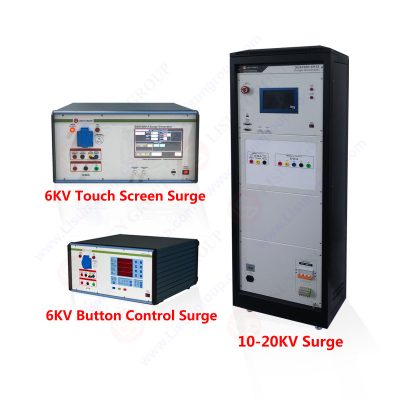
Surge Generator
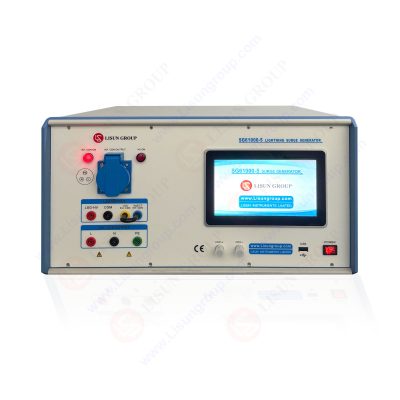
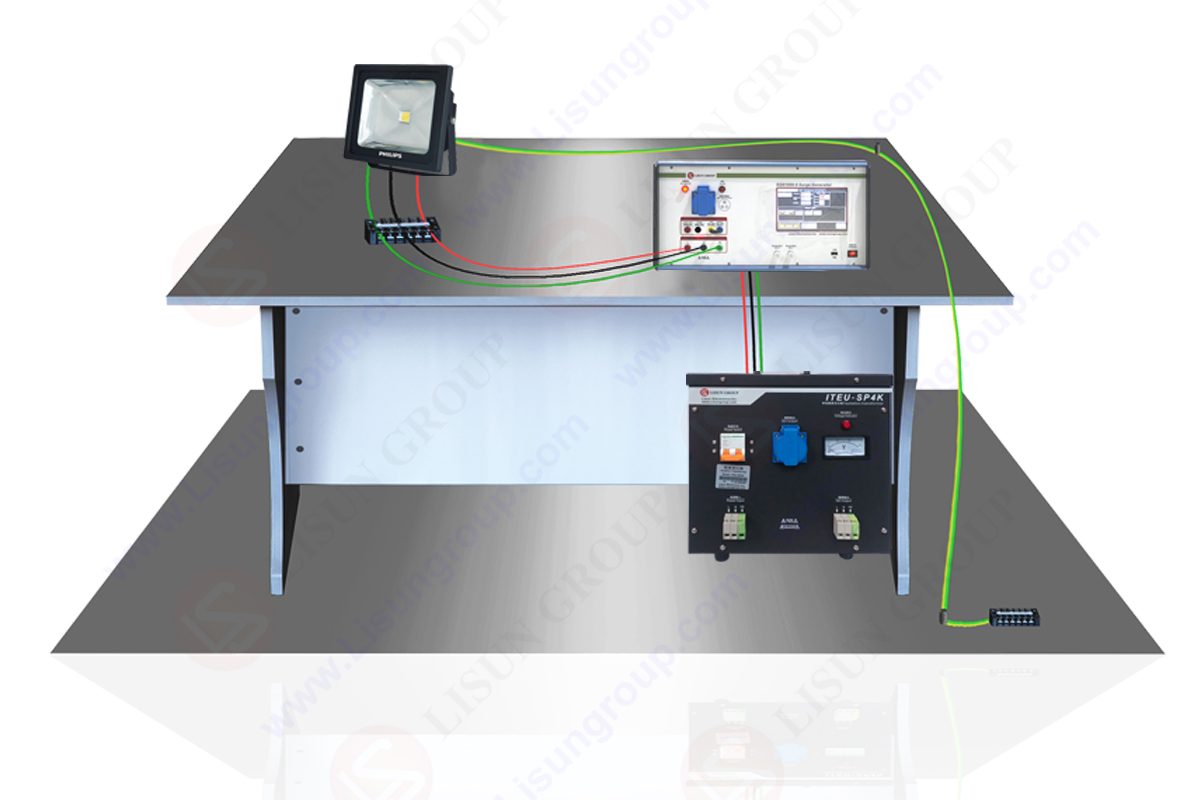
The SG-61000-5 surge generator offers a common basis for evaluating the resistance of power cords. The internal connectors of multiple types of equipment are connected to a high energy transient interference. This high energy interference is caused by the natural lightning surge induction and a large capacity load switching. It meets the IEC 61000-4-5, EN61000-4-5, and GB/TI17626.5 standards.
The SG 61000-5 standard is according to the immunity criteria. It specifies the test methodologies and the standard testing levels for equipment against unidirectional surges generated by overvoltage from switching and lightning transients.
The electrical and electronic equipment testing levels depend on the environment and installation circumstances. The primary goal of this standard is the creation of a consistent reference for the measurement of the resistance of electrical and electronic equipment to surges.
Surge Protection SG 61000-5 immunity stress is defined to be indicative of the voltage and current pulses. These pulses are generated on the power networks by the events that took place outside of the equipment under the test.
Surges usually occur because of the power system switching transients, such as the capacitor bank switching or the load shifts. Surges on the electrical lines are caused by the lightning, either as a direct hit to the transmission line or by the surrounding lightning strike.
A surge generator is meant for accomplishing the capacitor discharge technique. This equipment is used to transform power lines into high voltage and unidirectional impulses. These impulses are then sent through the faulty power connection.
Capacitor charges are in direct relation with the voltage of the power supply. The capacitor discharges a high voltage impulse into the cable under the test as we close the switch. In the last, we analyze the findings. The curve shows how time influences the voltage when a gap flashes over.
The curve is drawn by applying the increasingly larger voltages to the gap and tracking the time lag until the sparks over. The curve will reveal smaller time delays before the flashover, and the applied voltage will be greater.
There is often a minimal time lag, below which the gap would never flashover. A minimal amount of voltage, shown by the ‘’Minimum Break-down voltage’’, exists below which a gap will never flashover within a normal test time of several minutes.
Surge verifies the DUT’s immunity to very high voltage levels over a short period ( such as a lightning strike). Surge peak voltage is required by the external standards ( SG 61000-5 and IEC 61000-5).
The surge test is a sample test. It uses a standard surge waveform. The surge waveform has a rising time of 1.2 microseconds and a fall time of 50 microseconds. Each unit is stressed with the 50 consecutive surge pulses, and then the unit fails or passes. These values are confirmed after the surge using RIO. RIO is a measure of the resistance from the left side to the right side at 500 volts.
A leakage should not be greater than 30 microamps when tested for 60 seconds at the isolation rating of 5.7 kV RMS. We have some other methods for statistical analysis of surge characterization data.

surge immunity test
The graph usually plots the surge fail rate as the function of the voltage. We do this by testing a population of units at different voltages and recording how many of them fail. We will notice that at 12.8 kV, there were no fails. We will notice no fails up to 20 kV. At 21 kV, there were over 60% fails. At 22 kV, there were 100% fails.
The unipolar test uses 50 pulses in the same polarity. We usually call this a unipolar surge test. The unipolar test is used to represent the immunity to a single surge event. We test it with 50 pulses positive or 50 pulses negative.
A bipolar test is a worst-case surge test due to hysteresis effects. Each unit is tested for the 25 pulses followed by the 25 pulses of the opposite polarity. When we switch the polarity, the unit still has some charges from the first 25 pulses. This step usually creates a higher level of stress on the isolation barrier.
This kind of test represents the immunity to a more complex surge event. The orange data on the graph shows the bipolar surge test. There are still no fails at 12 kV, no fails up to 15 kV. Then, we begin to have fails as we reach higher voltages and completely fail when we reach 22 kV.
All isolation barriers will fail at some voltage. This kind of test is necessary to have an understanding of how much margin you have, does your technology have, relative to the requirement?
LISUN reinforced isolation family of products has high voltage capability that exceeds the requirements for the reinforced isolation.
Surging is caused by fuel problems. The most important reasons behind surging are as follows;
• incorrect fuel
• low fuel levels
• poor quality of fuel
Mostly the generators have defined fuel requirements.
We perform this test to evaluate the performance of the EUT (Equipment Under Test) under high-energy disturbances on the power and interconnection lines, the disturbances being caused by over voltages from switching and lightning transients.
Lisun Instruments Limited was found by LISUN GROUP in 2003. LISUN quality system has been strictly certified by ISO9001:2015. As a CIE Membership, LISUN products are designed based on CIE, IEC and other international or national standards. All products passed CE certificate and authenticated by the third party lab.
Our main products are Goniophotometer, Integrating Sphere, Spectroradiometer, Surge Generator, ESD Simulator Guns, EMI Receiver, EMC Test Equipment, Electrical Safety Tester, Environmental Chamber, Temperature Chamber, Climate Chamber, Thermal Chamber, Salt Spray Test, Dust Test Chamber, Waterproof Test, RoHS Test (EDXRF), Glow Wire Test and Needle Flame Test.
Please feel free to contact us if you need any support.
Tech Dep: Service@Lisungroup.com, Cell/WhatsApp:+8615317907381
Sales Dep: Sales@Lisungroup.com, Cell/WhatsApp:+8618117273997
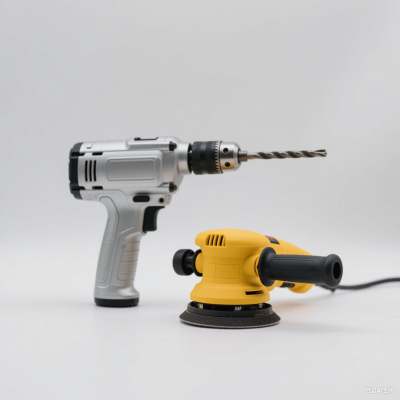
LISUN’s Motor-Operated Tool | Power Tool Testing solutions strictly comply with a range of core international standards, providing full support for safety and electromagnetic compatibility (EMC)...
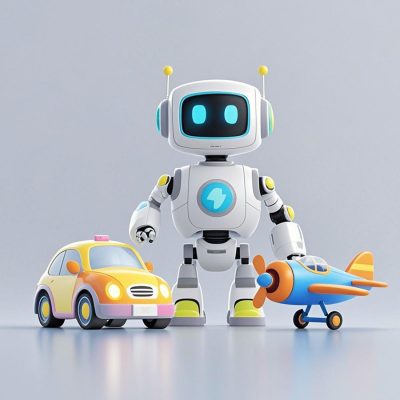
LISUN’s electric toy testing solutions cover IEC 62115, EN 71-1, ASTM F963 standards. Including electrical, mechanical, flammability tests to ensure toy safety compliance globally.
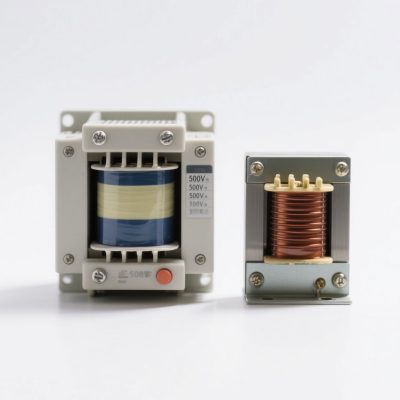
LISUN’s transformer test solutions meet IEC 61558-1, IEC 60076-1, IEC 62041 standards. Covering safety, performance, EMC tests, ensuring transformers comply with global requirements.
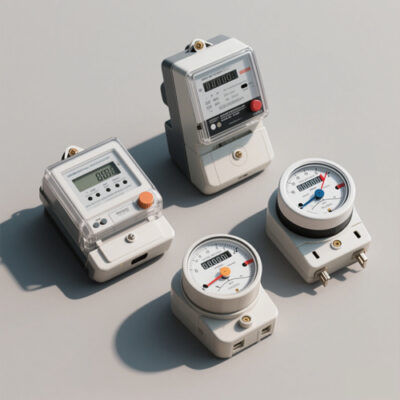
LISUN’s energy meter testing solutions align with IEC 62052-11, IEC 62053 series standards. Covering safety, electrical, environmental, and EMC tests, we help manufacturers meet global compliance...
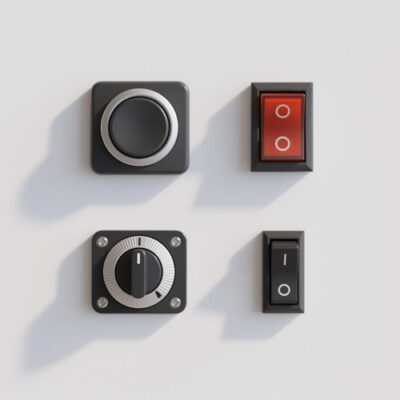
LISUN’s household and appliance switch testing solutions meet IEC 60669, IEC 61058, IEC 62271 standards. Covering electrical, mechanical & EMC tests for global compliance.
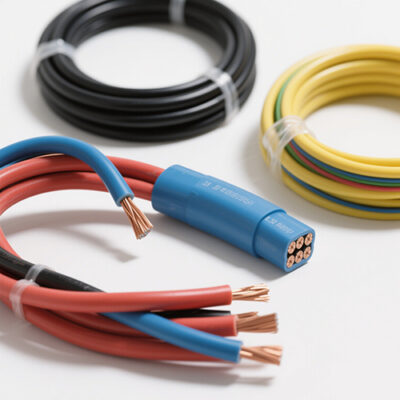
LISUN’s cable and wire test solutions meet IEC 60245-1, IEC 60227-1, IEC 60502-1 and IEC 60189 standards, covering electrical, mechanical, and safety tests for global compliance.
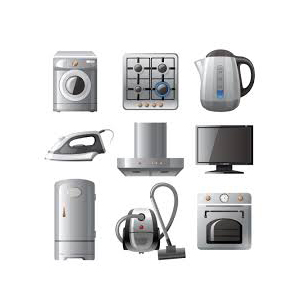
LISUN has all equipment according to the IEC60669 measurement, including environmental chamber, IP code waterproof dustproof test, switch lift test, etc.
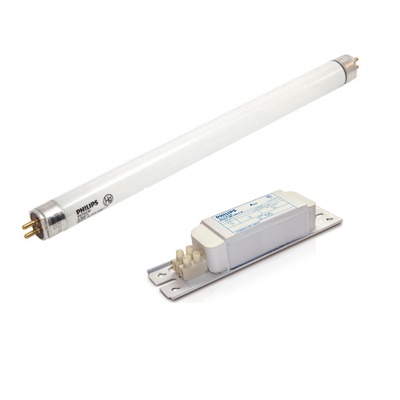
Lisun can supply full test solutions for fluorescent lamp, including integrating sphere system, goniophotometer system, EMI EMC test, electronic ballast tester, electrical safety test, etc.
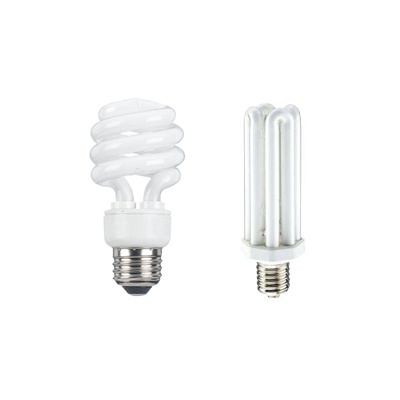
For the CFL design and manufactory, LISUN can supply a full quality control test solution, including photometric, colorimetric, electricity, flicker, IES candela distribution, surge test, electrical...
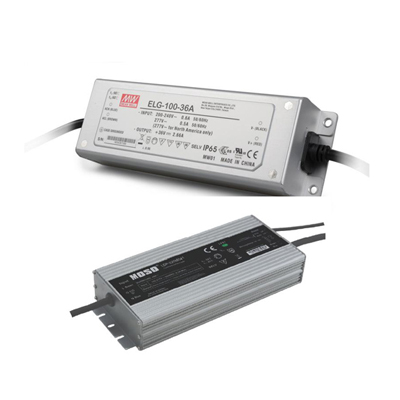
LISUN’s LED driver test solutions cover lab testing, online testing, EMC/EMI tests, and safety checks, meeting IEC 60335, UL 60335 standards for reliable performance evaluation.
 English
 中文简体
中文简体 English
 Русский
 Español
 Português
 Türkçe
 العربية
 Deutsch
 Polski
 Italiano
 Français
 한국어
한국어 ไทย
ไทย Tiếng Việt
 日本語
日本語