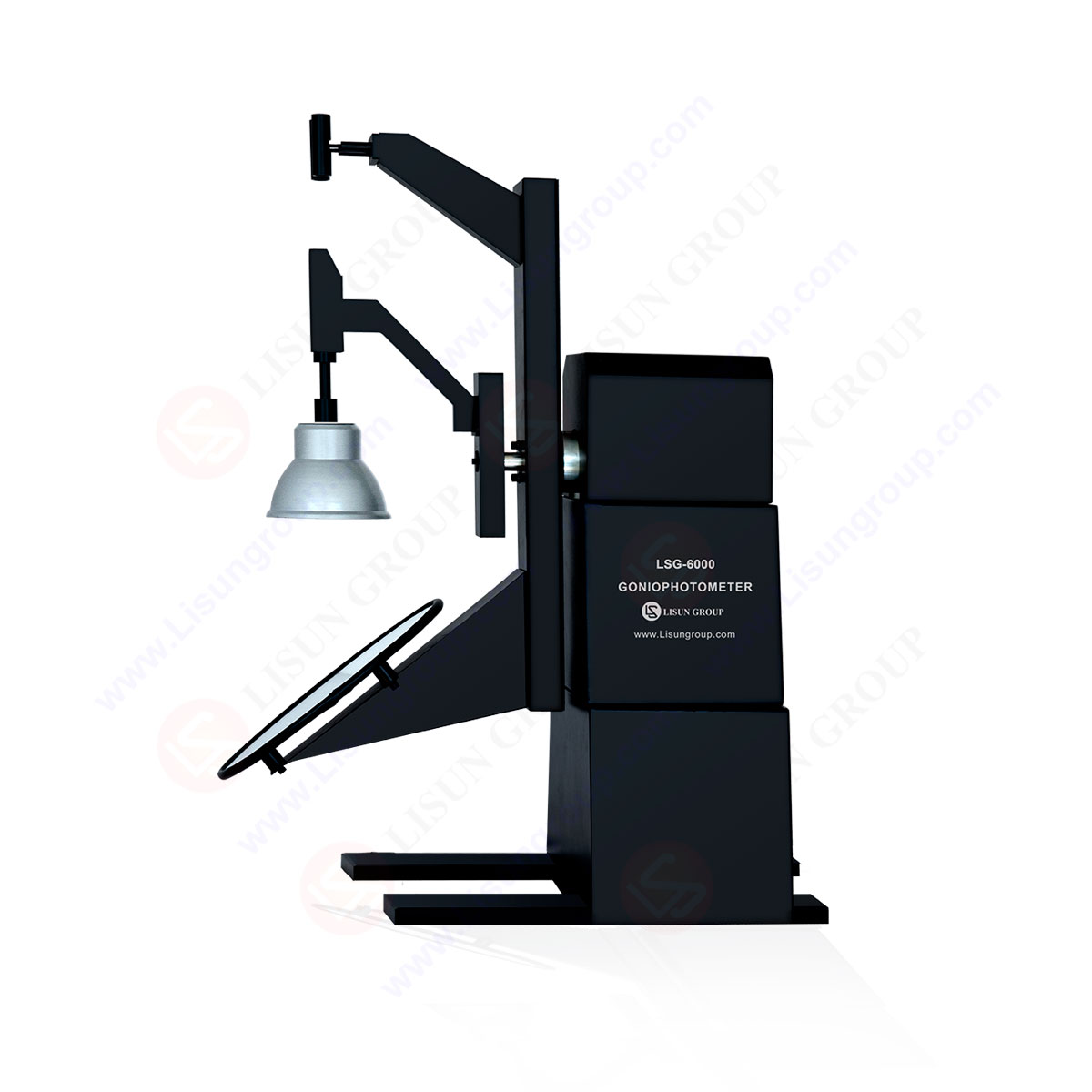
LM-79 Moving Detector Goniophotometer (Mirror Type C)
LSG-6000
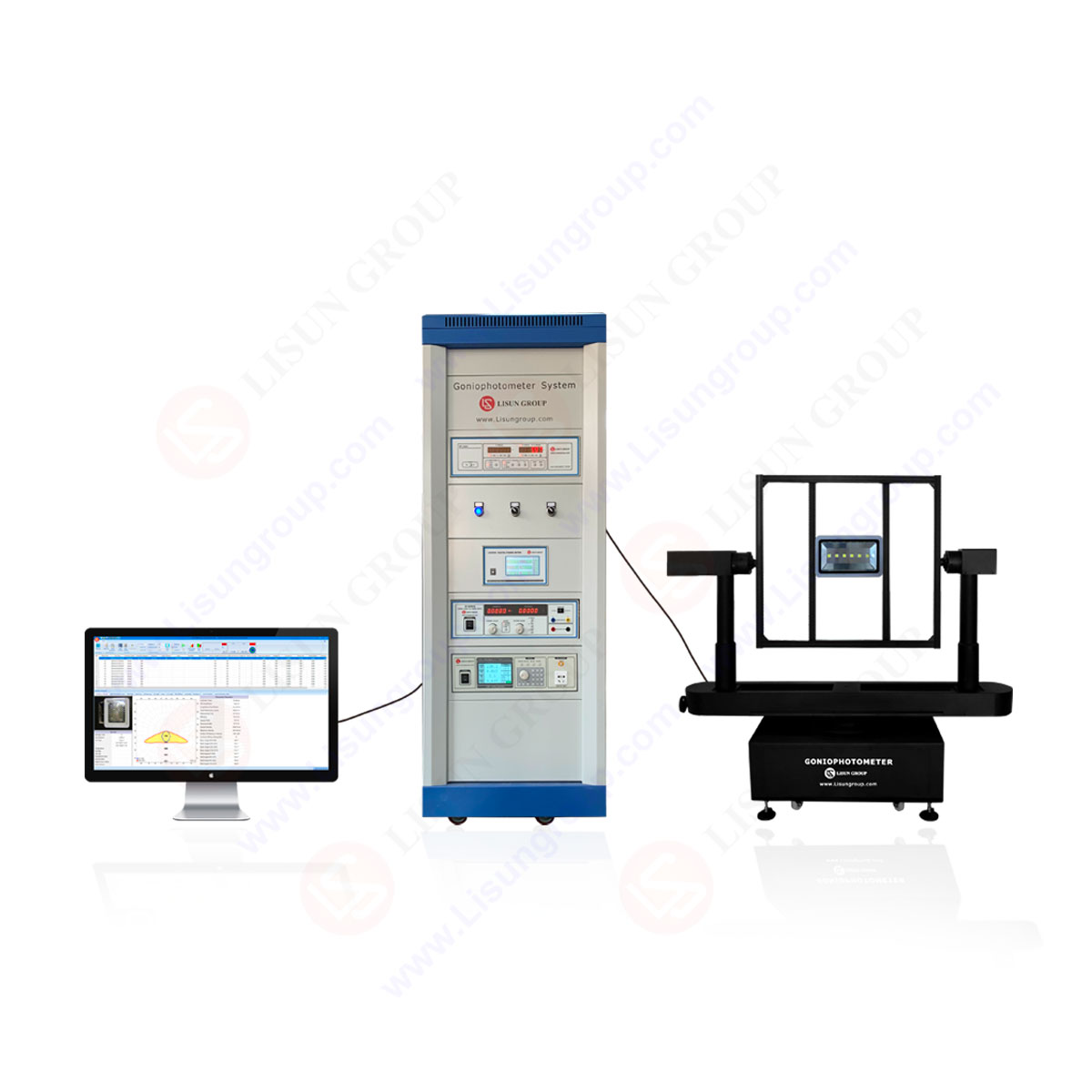
High Precision Rotation Luminaire Goniophotometer
LSG-1890B
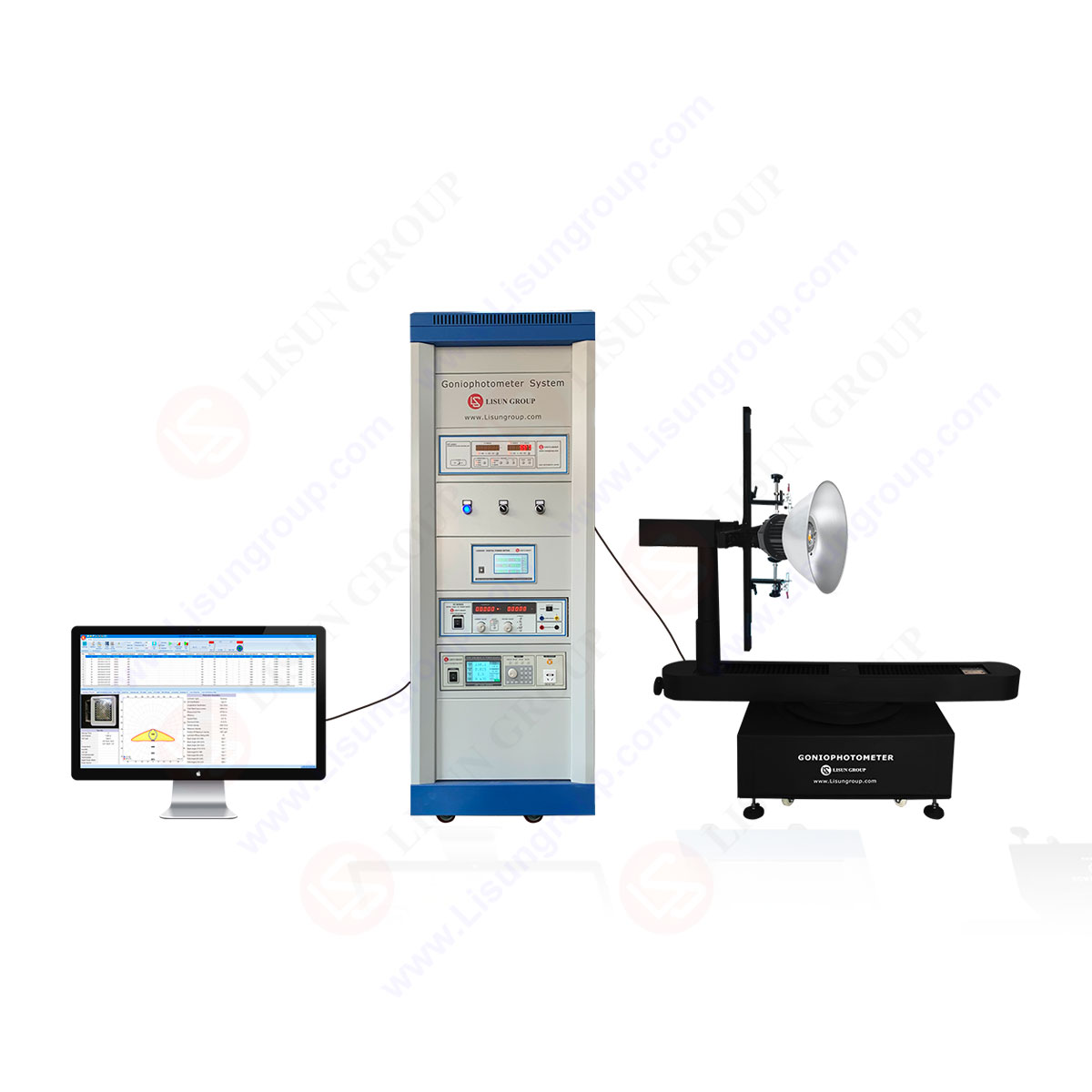
High Precision Rotation Luminaire Goniospectroradiometer
LSG-1890BCCD
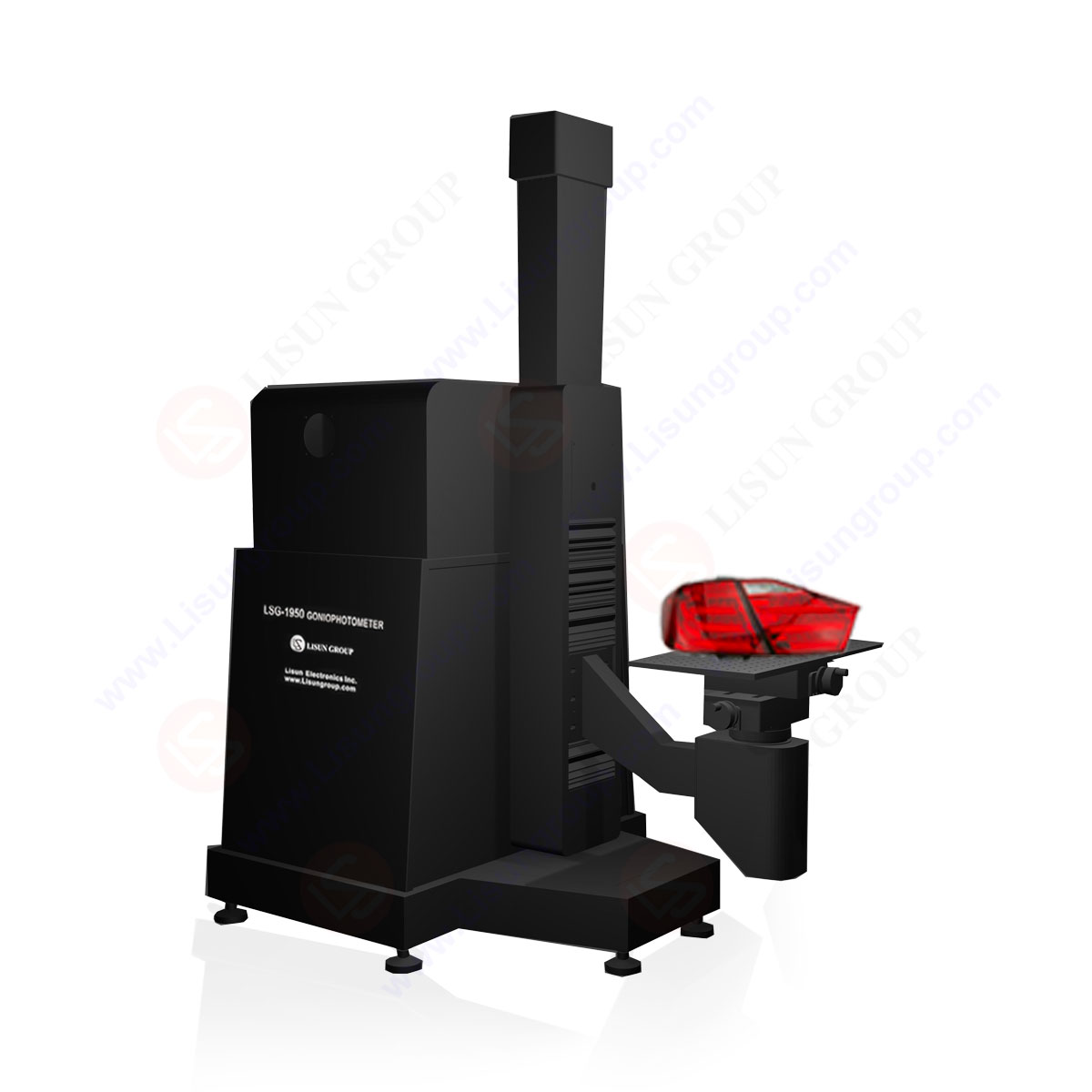
Goniophotometer for Automotive and Signal Lamps
LSG-1950
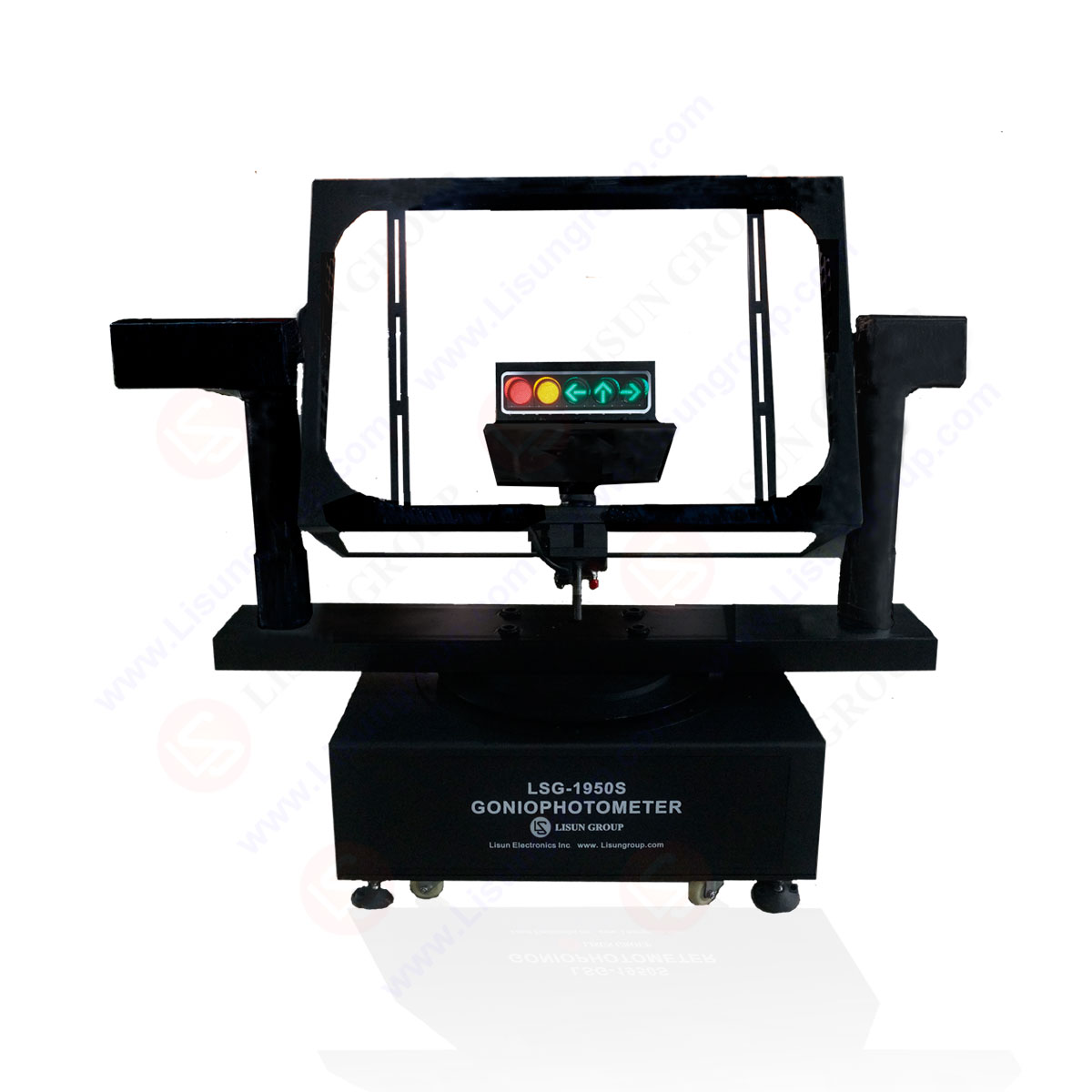
Goniophotometer for Traffic Signal Lamps
LSG-1950S
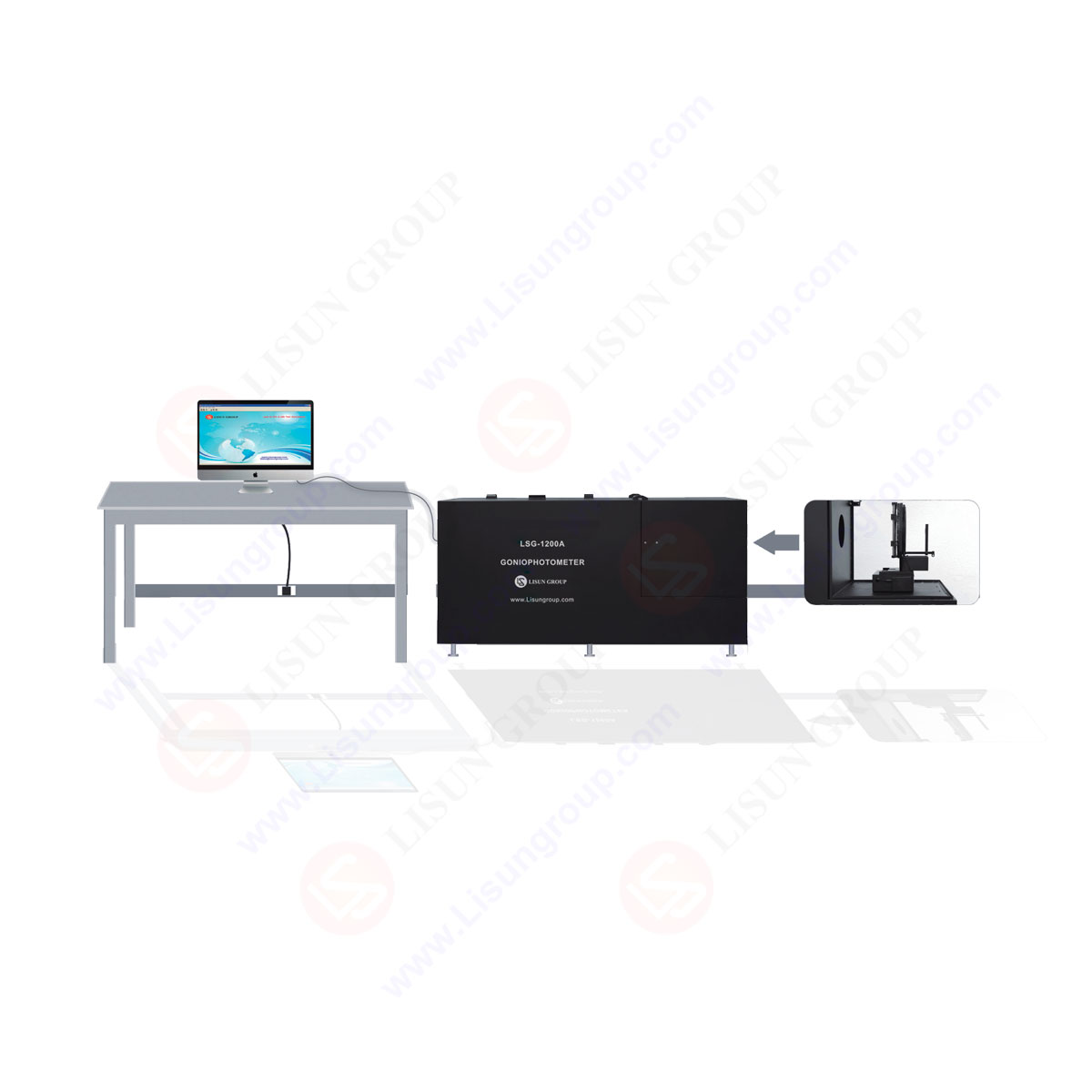
Compact Goniophotometer
LSG-1200A

Near Field Moving Detector Goniophotometer
LSG-1900B
 LEDs and Luminaire Test Solutions
 LM-79 and LM-80 Test Solutions
 LED Driver Test Solutions
 Household Appliances Test Solutions
 Mobile and Network Test Solutions
 Automotive Electronics Test Solutions
 Audio-Video and IT Test Solutions
 Cable and Wire Test Solutions
 Plugs and Sockets Test Solutions
 Power Switch Test Solutions
 Transformer Test Solutions
 Electric Toys Test Solutions
 Energy Meter Test Solutions
 Motor-Operated Tool Test Solutions
Select an organization
to browse standards
Abstract: In industries such as electrical and electronic products, household appliances, lighting equipment and automotive electronics, tiny flames caused by equipment short circuits and component overheating are major potential safety hazards. The needle flame test has become a core detection method to evaluate the flame retardancy and fire safety performance of products and insulating materials. Focusing on what is a flame test, this paper makes a comprehensive interpretation combined with LISUN ZY-3 needle flame tester. It elaborates the definition, working principles, applicable standards, test procedures and judgment criteria of the needle flame test. With a standard needle burner to apply flame to test samples in a fixed direction, the needle flame test accurately judges the ignition status, flame persistence time and flame spread of samples. The test data fully complies with domestic and international fire safety standards, and is widely used in product research and development, factory quality inspection and third-party certification. It helps enterprises meet the fire safety requirements for market access. This paper also introduces the structural design, technical parameters and functional advantages of ZY-3 series needle flame testers, and analyzes their practical application value in various fields.
With the widespread use of electrical appliances, information technology equipment and automotive electronic products, products tend to be miniaturized and high-power integrated. Faults including circuit short circuits, component aging and overload, and poor contact frequently occur, which are likely to generate tiny flames with concentrated energy. Although such flames are small in size, they can ignite non-metallic materials such as equipment shells, internal insulating parts and cable sheaths, and further lead to fire accidents that threaten personal and property safety. To prevent fire risks in advance, a series of standardized fire protection test methods have been formulated in the industry, among which the needle flame test is one of the most widely adopted items.
Many practitioners do not have a systematic understanding of what is a flame test, as well as its test procedures and judgment rules. The needle flame test is a flame retardant test that simulates tiny flames generated by faults of electrical and electronic equipment, and it is also a mandatory safety test accepted worldwide. As special equipment for conducting the test, the needle flame tester can strictly control the flame shape, temperature and flame application duration in accordance with standards, and accurately record various combustion data. LISUN ZY-3 needle flame tester is a mainstream product in the current market. It adopts a modular structure with complete functions and convenient operation, and can meet the needs of needle flame tests in different scenarios. Starting from the definition of the test, this paper explains the whole process, equipment parameters, applicable standards and industrial applications of the needle flame test, and clarifies its important role in product fire safety management and control.
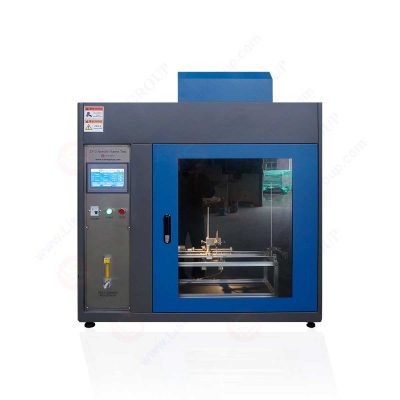
Needle Flame Test ZY-3
What is a Flame Test
The needle flame test is a fire hazard test carried out in accordance with national and IEC standards. It specially simulates tiny needle-shaped flames produced during the operation of electrical and electronic products, so as to inspect the ignition resistance, self-extinguishing performance and flame spread characteristics of test samples including product bodies, plastic shells, insulating materials and cable insulation layers. In short, the needle flame test uses standardized tiny flames to burn test samples continuously. Observers check whether the samples are ignited, how long the combustion lasts, whether the flame spreads, and whether burning drips can ignite surrounding components secondarily. Based on the above observations, the fire safety grade of materials and products can be comprehensively evaluated.
Different from large open flame combustion tests, this test focuses on micro flames generated by internal equipment faults, which is more consistent with the actual fault scenarios of electrical and electronic products. It is a compulsory test for various electrical appliances, lighting equipment and automotive electronic products to enter domestic and overseas markets.
Core Test Principles
The needle flame test uses butane gas with purity no less than 95% as fuel, and a standard flame is generated through a dedicated needle burner. During the test, the burner is tilted at 45 degrees to apply flame to the designated position of the sample, and the flame application duration can be set according to relevant standards. Testers monitor three core indicators throughout the process: whether the sample is ignited, the flame persistence time after ignition, and the spread of flame and burning drips. All test data serve as direct evidence to judge whether the flame retardant performance of products is qualified.
The test has strict requirements on flame parameters. The flame height shall be stably maintained at 12mm±1mm. The flame temperature shall rise from 100℃±2℃ to 700℃±3℃ within 23.5s±1s. Only when all parameter deviations are within the standard range can valid test results be guaranteed.
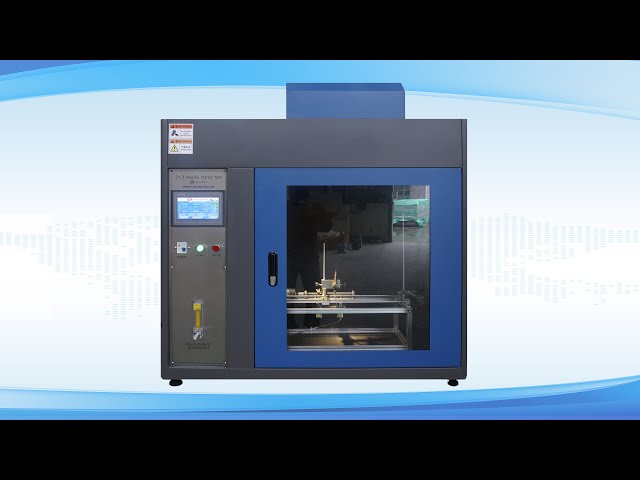
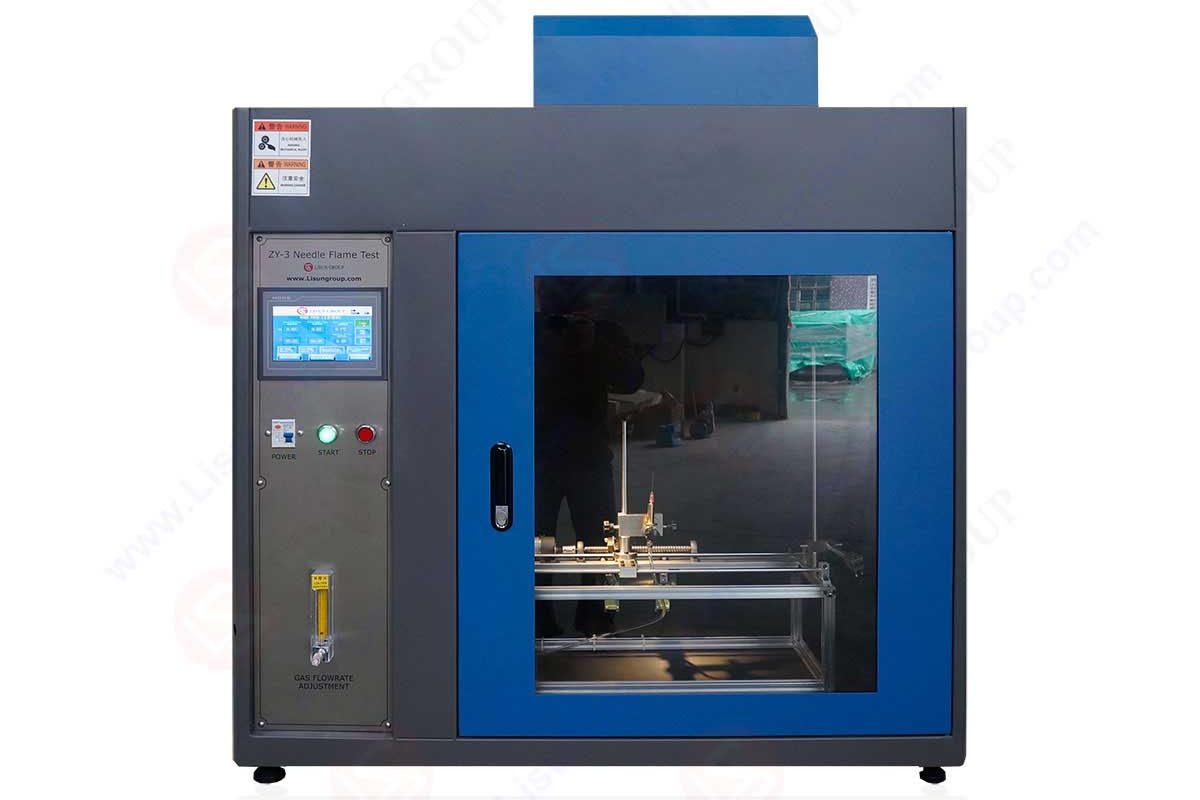
LISUN ZY-3 and ZY-3S needle flame testers are professional devices for needle flame tests. The two models have slight structural differences and are respectively applicable to conventional laboratory tests and simple on-site tests. The whole equipment is made of high-temperature sprayed steel structure, which is high temperature resistant and corrosion resistant, and can operate stably for a long time under high temperature and open flame environment. It is equipped with precise temperature control module, automatic timing module and data recording module, as well as dual operation modes of LCD touch screen and remote control, which balances test accuracy and operation safety.
The table below shows the core specifications of LISUN ZY-3 and ZY-3S needle flame testers, which clearly reflects the performance differences between the two models:
| Parameter Item | ZY-3 (With Test Chamber) | ZY-3S (Without Test Chamber) |
| Burner Angle | 45° for test, vertical for calibration (adjustable) | 45° for test, vertical for calibration (adjustable) |
| Flame Application Time | 0~999.9s, accuracy ±0.1s, 30s recommended for general use | 0~999.9s, accuracy ±0.1s, 30s recommended for general use |
| Flame Persistence Recording | 0~999.9s, automatic recording with manual pause function | 0~999.9s, automatic recording with manual pause function |
| Standard Flame Height | 12mm±1mm | 12mm±1mm |
| Test Fuel Gas | Butane ≥95% (electronic gas flowmeter optional) | Butane ≥95% (electronic gas flowmeter optional) |
| Temperature Measuring Range | 0~1000℃ | 0~1000℃ |
| Flame Temperature Rise Requirement | 100℃±2℃ up to 700℃±3℃ within 23.5s±1s | 100℃±2℃ up to 700℃±3℃ within 23.5s±1s |
| Temperature Sensor | Φ0.5mm K-type thermocouple | Φ0.5mm K-type thermocouple |
| Operation Mode | LCD touch screen, indicator light and remote control | LCD touch screen, indicator light and remote control |
| Gross Weight | 180kg | 40kg |
In terms of functional design, both models support single and continuous flame application modes, and can complete continuous combustion tests in accordance with IEC 62368-1:2023. For fire-proof housings and insulating materials, the equipment can perform repeated flame application for 10 seconds, 1 minute and 2 minutes in sequence to simulate severe working conditions of repeated ignition caused by equipment faults. ZY-3 equipped with a closed test chamber can isolate the interference of external air flow and maintain a stable test environment, so it is widely used in third-party testing institutions and quality inspection laboratories of large enterprises. The lightweight ZY-3S features compact size and easy transportation, which is suitable for sampling inspection on production lines of small factories.
Applicable Standards
A unified domestic and international standard system has been established for the needle flame test, and LISUN ZY-3 needle flame tester fully complies with mainstream specifications. The domestic standard is GB/T 5169.5-2020 Fire hazard testing for electric and electronic products – Part 5: Test flames – Needle flame test method. The main international standard is IEC 60695-11-5:2016, which replaces the old version IEC 60695-2-2:2004. In addition, the equipment is also compatible with IEC 62368-1:2023, GB 7000.1, GB/T 2408 and other special industrial standards, covering segmented fields such as lighting, automotive electronics and information technology equipment.
Standard Test Procedures
• Sample preparation: Cut complete product parts or standard test strips in accordance with standards, clean surface dirt to ensure the sample status is consistent with actual service conditions.
• Equipment commissioning: Feed butane gas, calibrate flame height and temperature rise rate, and confirm the normal operation of thermocouple, timing module and control system.
• Sample fixing: Place the sample on the test station, adjust the burner angle to 45 degrees and align it with the most flammable position of the sample.
• Directional flame application: Start the equipment and apply needle flame for specified duration. The device will automatically time and monitor the combustion status throughout the test.
• Data recording: After the flame is removed, the equipment automatically records the flame persistence time. Testers observe the flame spread and ignition caused by burning drips.
• Result judgment: Judge whether the flame retardant performance of the sample is qualified by comparing all data with relevant standards, and generate an official test report.
The whole process features high automation and minimal manual intervention, which effectively reduces human errors and ensures the objectivity and accuracy of test data.
Qualified data obtained from needle flame tests serve as the core basis for product research and development, factory quality inspection and third-party certification. Currently, this test has been widely applied in five major fields.
Firstly, in the electrical and electronic industry, it is used to test relays, circuit breakers, switches, sockets, cable insulation layers and other products, so as to verify fire risks caused by circuit overload and contact arc. Secondly, in the field of information technology equipment, it tests the outer shells and internal insulating parts of computers, routers, chargers, projectors and other products, complying with requirements of UL 94, GB/T 4943.1 and other standards. Thirdly, in the lighting industry, it inspects LED drivers, lamp holders and plastic accessories of lamps to guarantee fire safety when components overheat. Fourthly, in the automotive and new energy electronic industry, it covers key parts such as vehicle navigation devices, cable insulation layers, charging piles and shells of battery management systems. Fifthly, in material research and development, it screens properties of engineering plastics and flame retardant modified materials such as ABS, PC and PA to optimize material formulas.
Conducting needle flame tests brings great practical significance to enterprises. During the research and development stage, it helps select flame retardant materials and optimize product structures to eliminate hidden fire hazards from the source. In the production process, factory sampling inspection controls the quality of finished products and prevents unqualified products from entering the market. In commercial trade, qualified needle flame test reports are essential qualifications for products to enter domestic and overseas markets, assisting enterprises in passing market access audits smoothly.
To sum up, what is a flame test can be defined as a standardized detection test that simulates tiny flames generated by electrical equipment faults and evaluates the flame retardancy and fire safety performance of materials and products. With the help of needle flame testers, the needle flame test realizes accurate flame application, automatic timing and data recording. It quantifies the fire safety grade of products by testing three key indicators including sample ignition, flame persistence and flame spread.
Represented by LISUN ZY-3, needle flame testers feature precise flame parameter control, complete functional modules and flexible model selection. They fully meet domestic and international standards such as GB/T 5169.5 and IEC 60695-11-5, and act as core equipment for conducting needle flame tests. As the fire safety requirements of the electrical and electronic industry keep rising, the needle flame test, as a basic fire safety detection item, will continue to play an important role. It not only helps enterprises improve product safety quality and avoid safety accidents, but also supports the standardized development of the industry and international circulation of products. It will be widely used in product safety management and control as well as new material research and development in the future.
Tags:ZY-3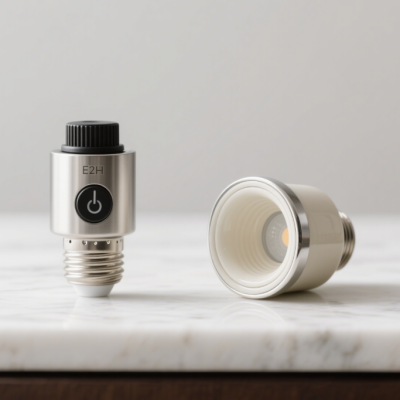
There are some standards focus on specifying technical requirements and test methods for different categories of lampholders in the lighting field, ensuring their safety, compatibility, and...
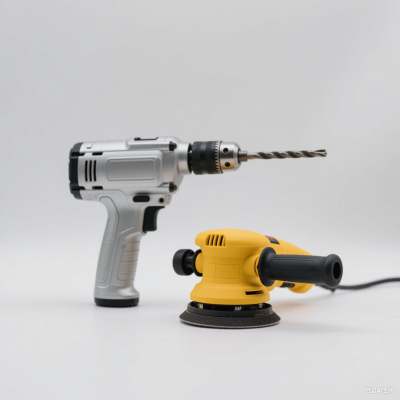
LISUN’s Motor-Operated Tool | Power Tool Testing solutions strictly comply with a range of core international standards, providing full support for safety and electromagnetic compatibility (EMC)...

LISUN’s electric toy testing solutions cover IEC 62115, EN 71-1, ASTM F963 standards. Including electrical, mechanical, flammability tests to ensure toy safety compliance globally.
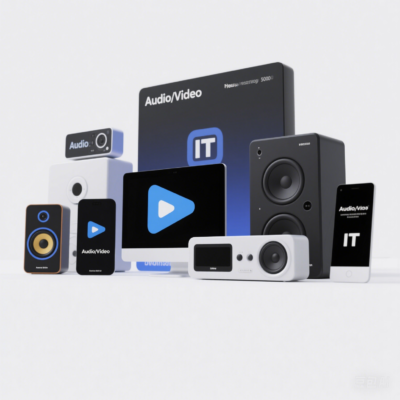
LISUN’s audio-video communication testing solutions meet CISPR 13, IEC 60065, FCC Part 15 & EN 55032. Cover EMC, safety & performance tests for reliable AV equipment...
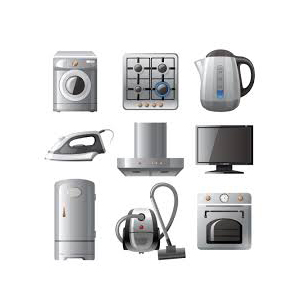
LISUN has all equipment according to the IEC60669 measurement, including environmental chamber, IP code waterproof dustproof test, switch lift test, etc.
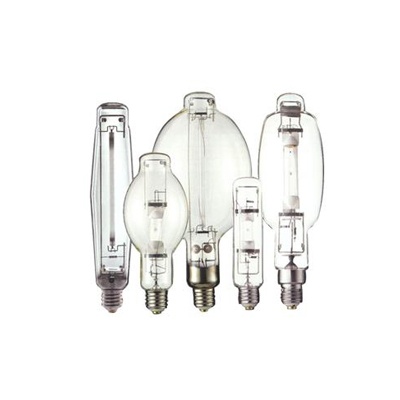
LISUN provide full test solutions for HID lamp, including integrating sphere system, goniophotometer system, EMI EMC chamber, HID ballast tester, electrical safety test, etc.
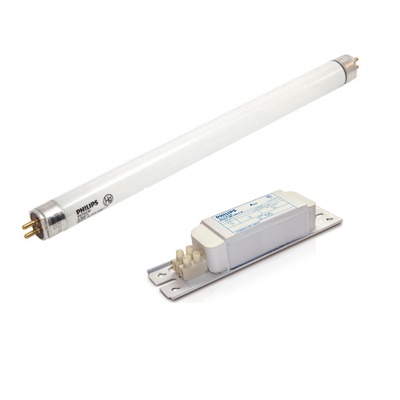
Lisun can supply full test solutions for fluorescent lamp, including integrating sphere system, goniophotometer system, EMI EMC test, electronic ballast tester, electrical safety test, etc.
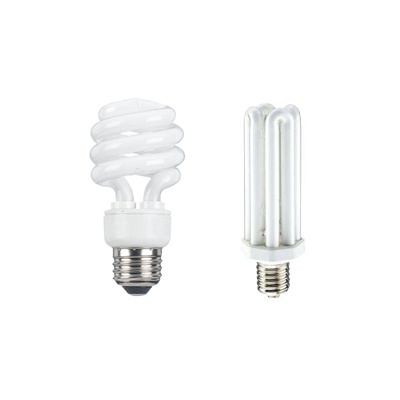
For the CFL design and manufactory, LISUN can supply a full quality control test solution, including photometric, colorimetric, electricity, flicker, IES candela distribution, surge test, electrical...
LISUN’s indoor and outdoor LED test solutions meet IEC 60598-1, IEC 62722-2-1, CIE 121 standards, covering safety, photometry, and environmental tests for global compliance.

 English
 中文简体
中文简体 English
 Русский
 Español
 Português
 Türkçe
 العربية
 Deutsch
 Polski
 Italiano
 Français
 한국어
한국어 ไทย
ไทย Tiếng Việt
 日本語
日本語