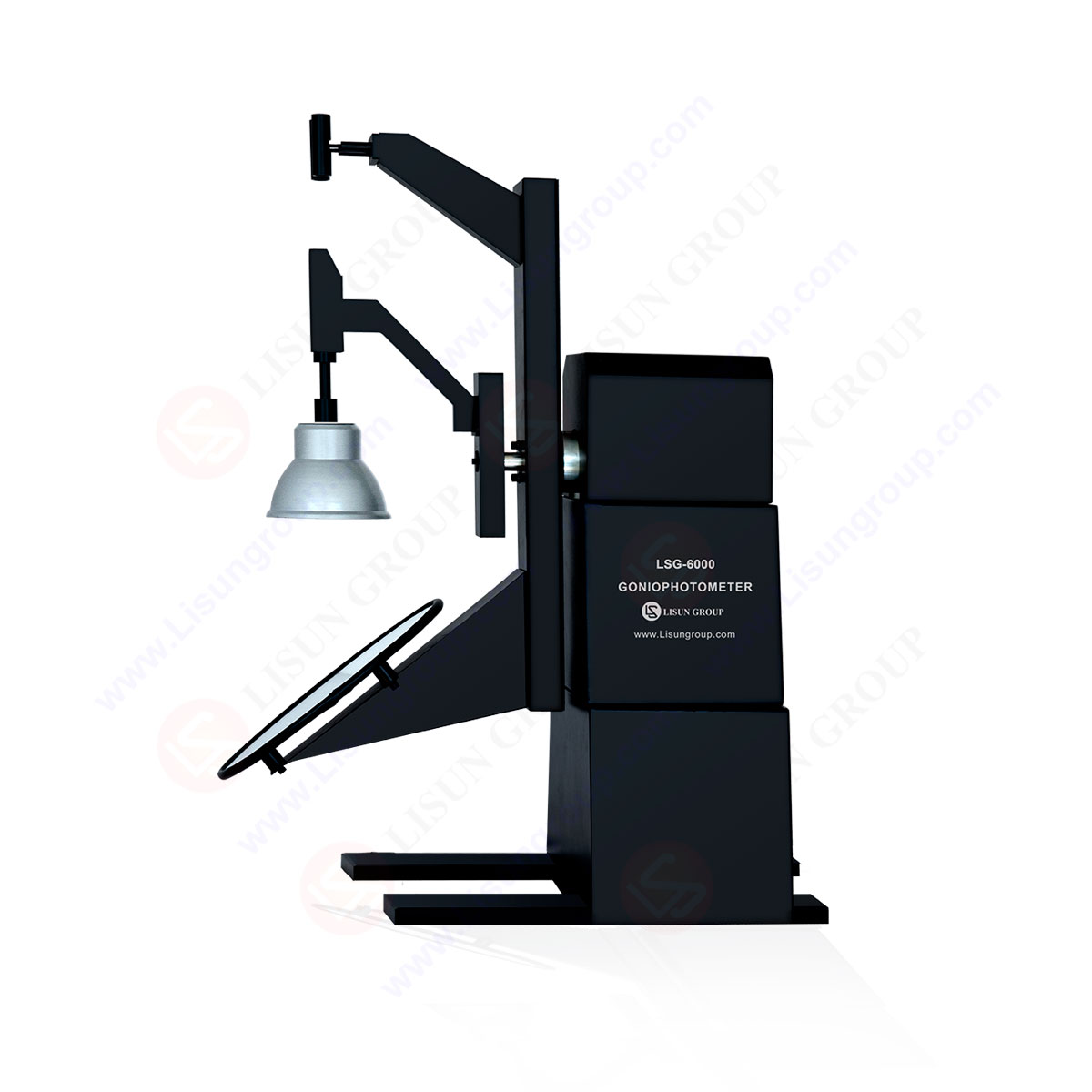
LM-79 Moving Detector Goniophotometer (Mirror Type C)
LSG-6000
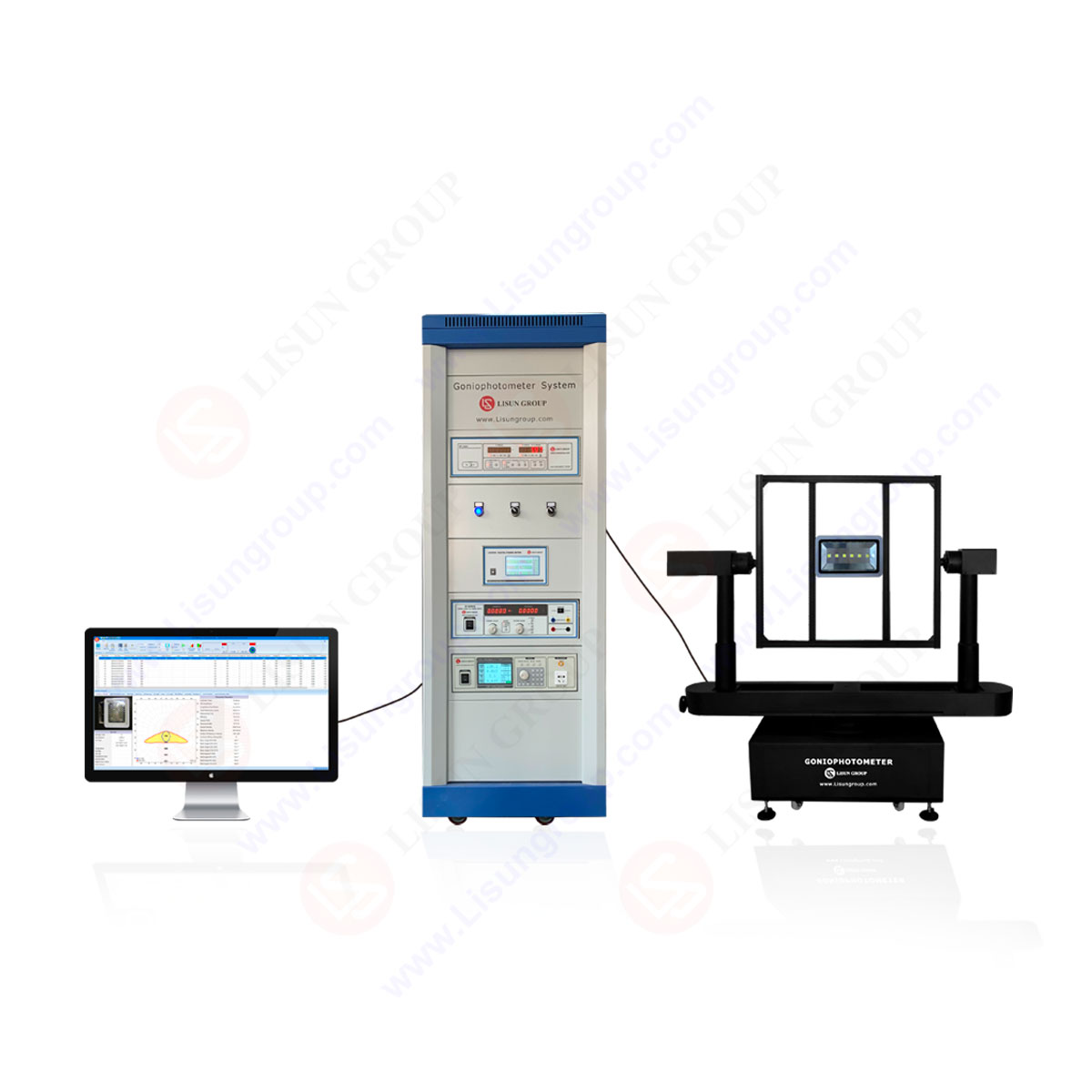
High Precision Rotation Luminaire Goniophotometer
LSG-1890B
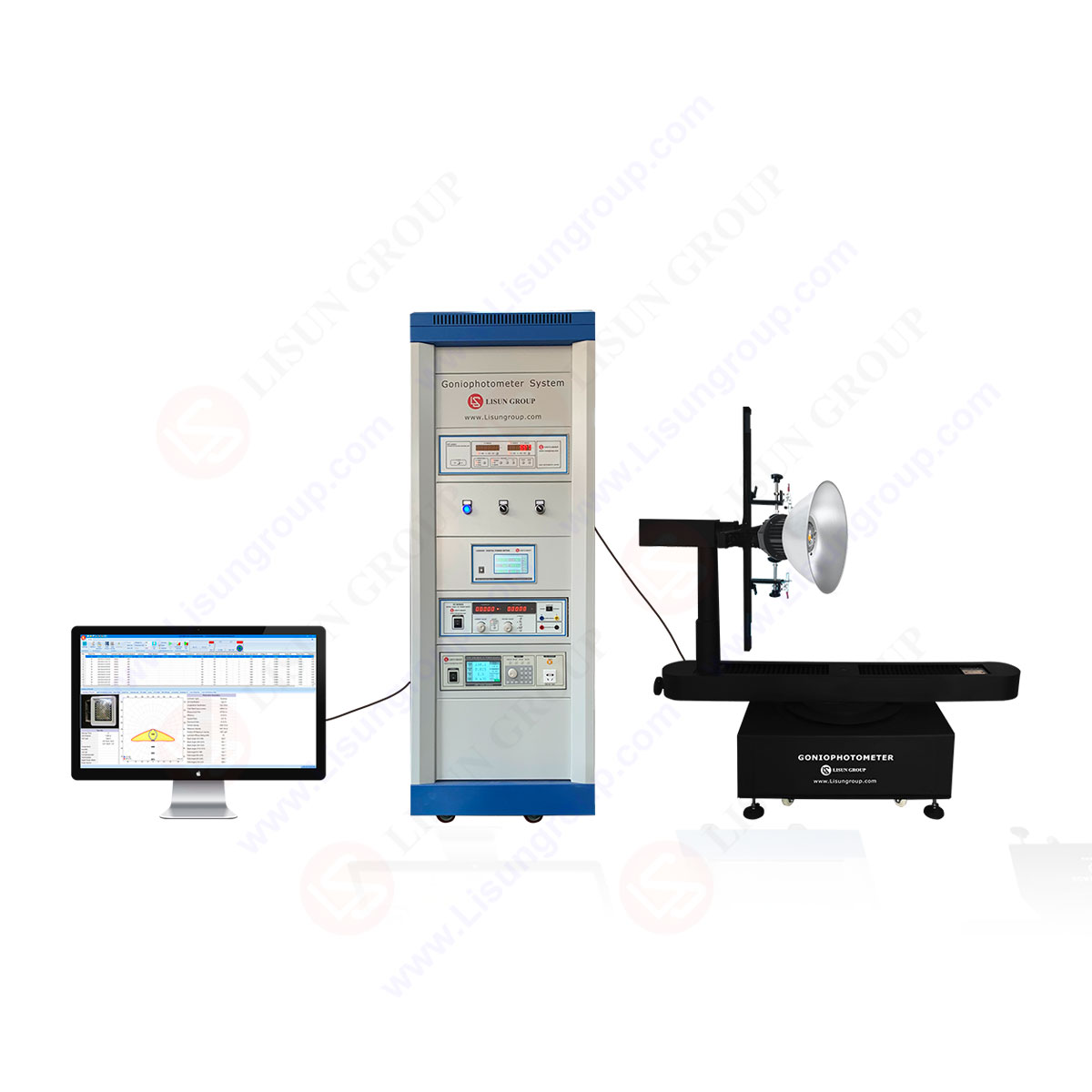
High Precision Rotation Luminaire Goniospectroradiometer
LSG-1890BCCD
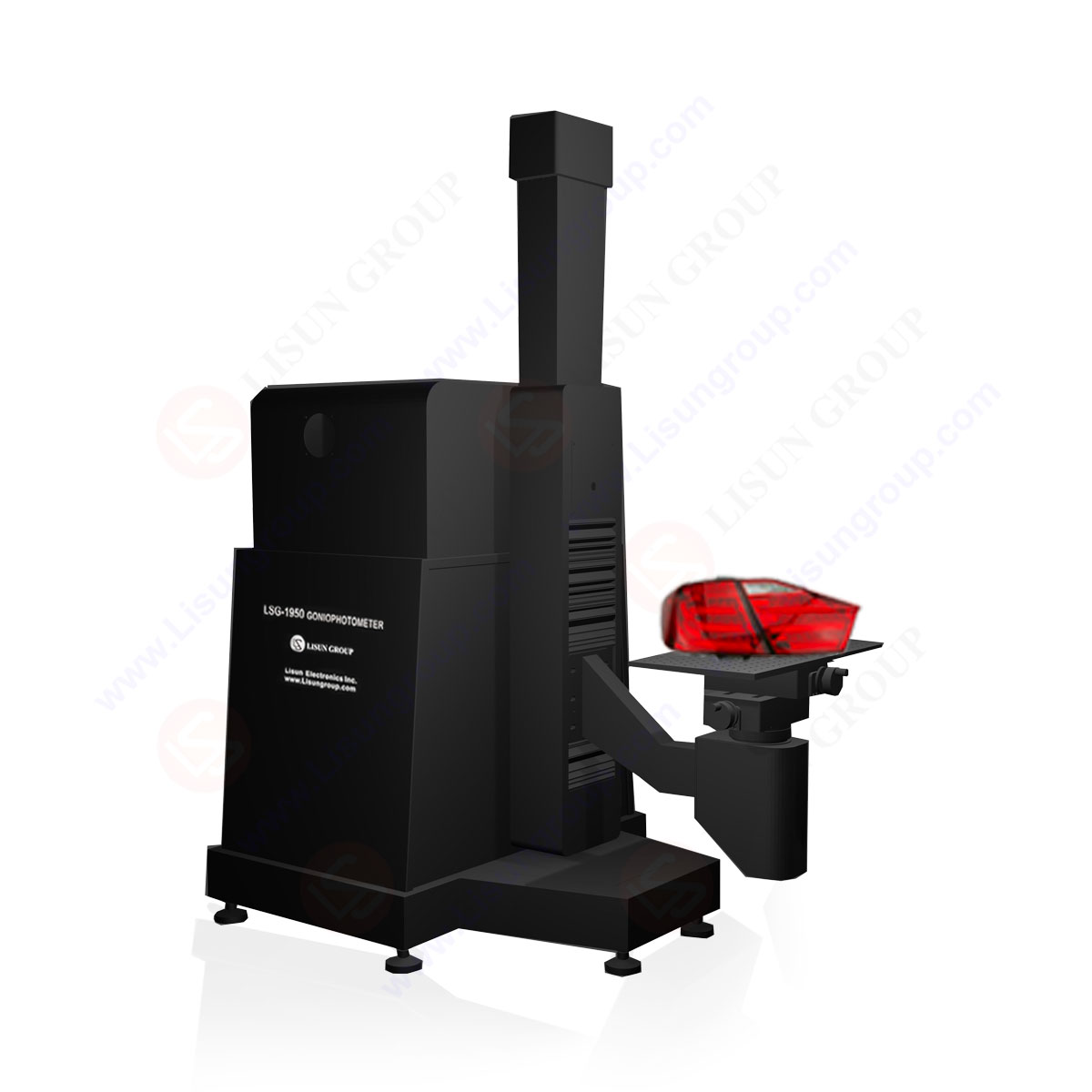
Goniophotometer for Automotive and Signal Lamps
LSG-1950
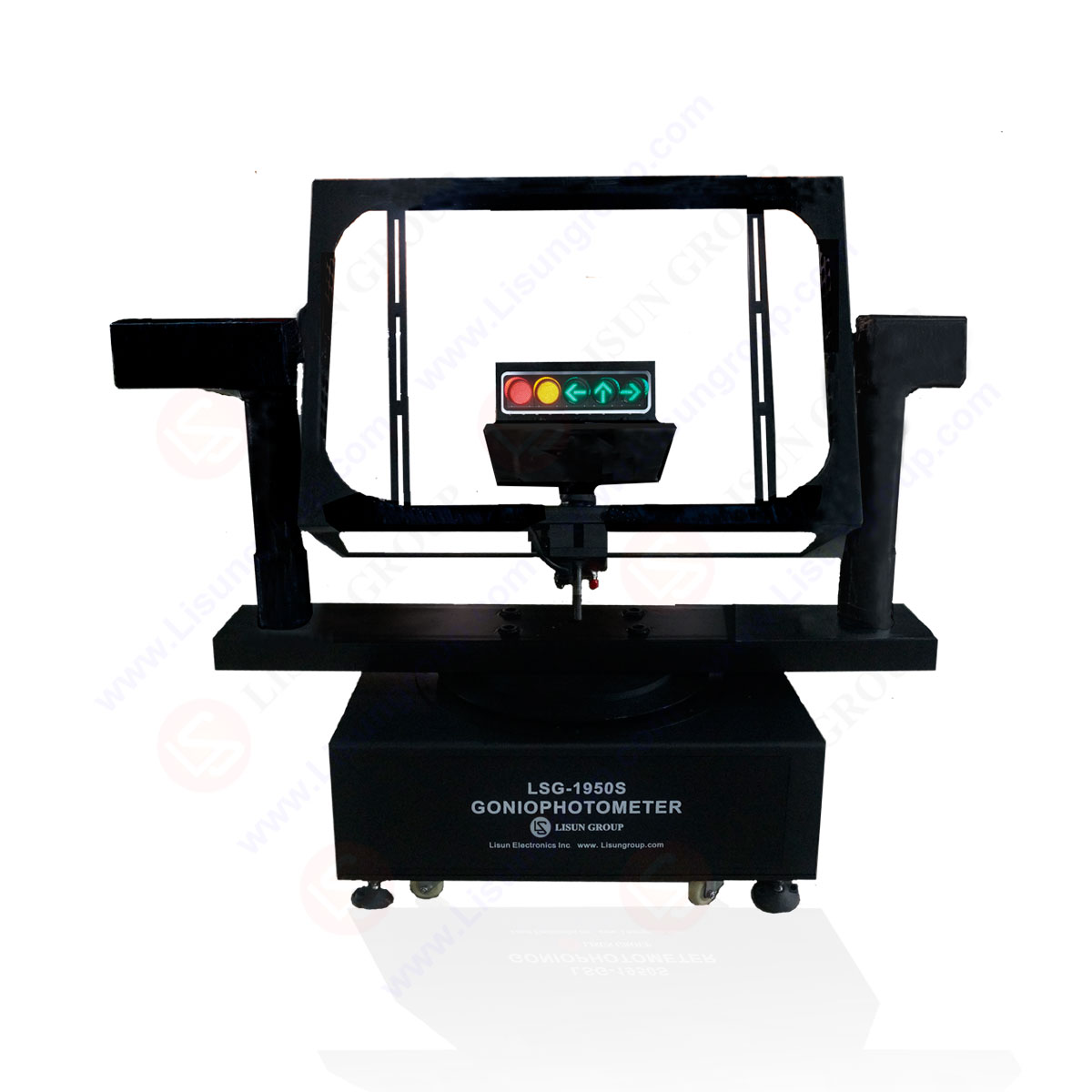
Goniophotometer for Traffic Signal Lamps
LSG-1950S
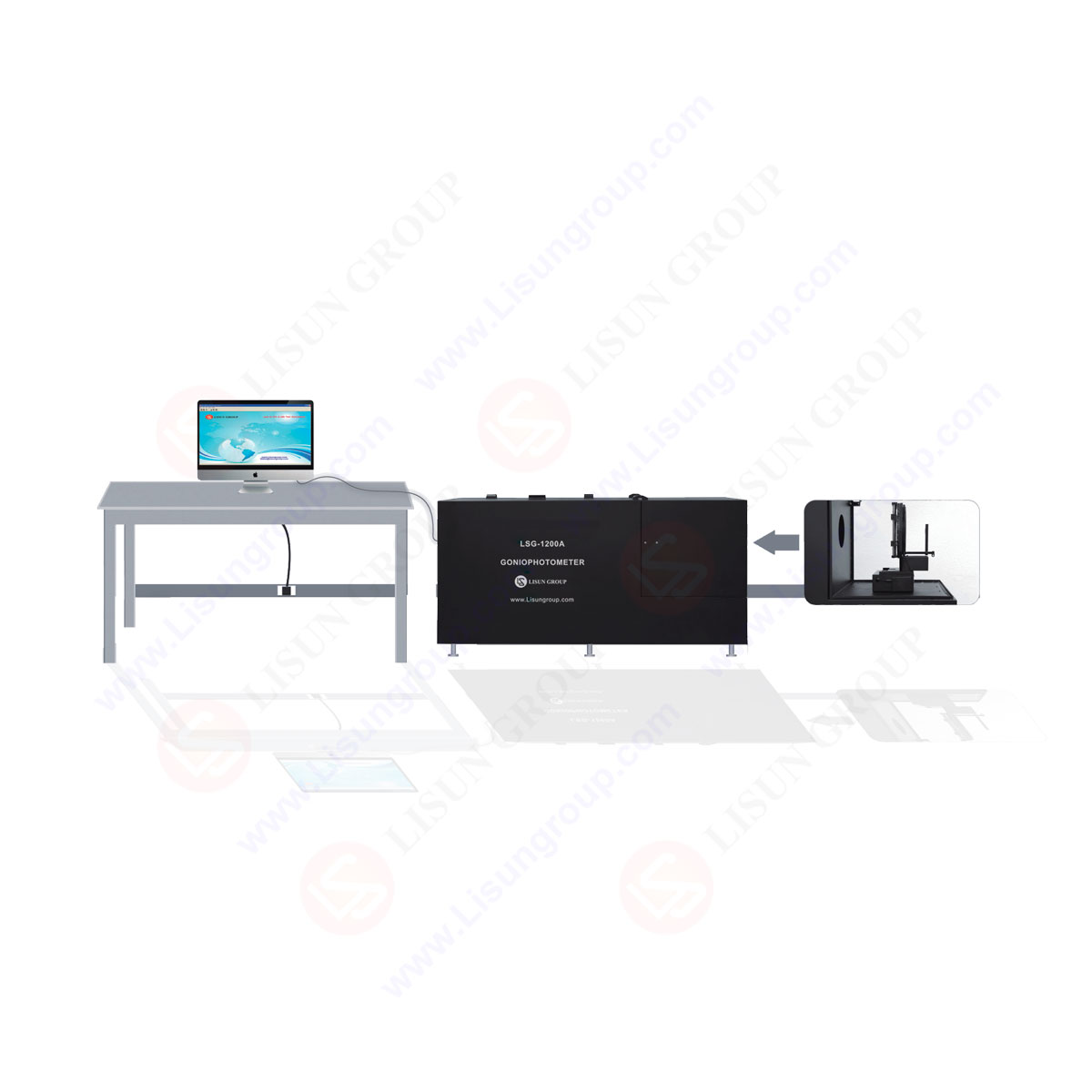
Compact Goniophotometer
LSG-1200A

Near Field Moving Detector Goniophotometer
LSG-1900B
 LEDs and Luminaire Test Solutions
 LM-79 and LM-80 Test Solutions
 LED Driver Test Solutions
 Household Appliances Test Solutions
 Mobile and Network Test Solutions
 Automotive Electronics Test Solutions
 Audio-Video and IT Test Solutions
 Cable and Wire Test Solutions
 Plugs and Sockets Test Solutions
 Power Switch Test Solutions
 Transformer Test Solutions
 Electric Toys Test Solutions
 Energy Meter Test Solutions
 Motor-Operated Tool Test Solutions
Select an organization
to browse standards

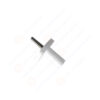
Product No: SMT-S2962
TThe Test Pin of UL 1310 Figure 16.1 is a precision safety tool tailored for Class 2 power units—such as phone chargers, LED driver supplies, and low-voltage security device power sources. It verifies if hazardous live parts are accessible, featuring a 25.4mm stainless steel test finger (101.6mm long) to navigate tight gaps and a rounded R12.7mm head to avoid damaging delicate components. An insulated nylon handle ensures operator safety, while the 31.75mm tail diameter prevents over-insertion. With a cable-free design (compatible with optional low-voltage test supplies), it applies gentle 10N thrust to mimic accidental contact, strictly complying with UL 1310 to keep Class 2 power equipment safe.
NOTE: Please note SMT-S2962 is without cable. If you want to test with low-voltage supply with LISUN SMT-529CV, you may choose SMT-1213C with cables.
Specifications:
Tool Type: Test Pin (UL 1310 Figure 16.1; for hazardous live part accessibility testing in Class 2 power units)
Test Finger Material: Stainless steel (resistance ≤ 0.1Ω; corrosion-resistant; smooth finish to protect power unit components)
Handle Material: Insulated nylon (resistance ≥ 100MΩ; heat-resistant up to 110°C; ergonomic non-slip grip for precision)
Key Dimensions:
– Test Finger Diameter: 25.4mm (1 inch) ± 0.1mm
– Test Finger Length: 101.6mm (4 inches) ± 0.2mm
– Head Radius: R12.7mm (0.5 inch) ± 0.05mm
– Tail Diameter: 31.75mm (1.25 inches) ± 0.2mm
– Total Length (Probe + Handle): 320mm ± 0.5mm
Applied Thrust: 10N ± 0.5N (simulates gentle accidental contact; aligns with Class 2 power unit safety test requirements)
Cable Configuration: Cable-free design (compatible with optional low-voltage test supplies for extended live-part detection)
Core Function: Detects accessible hazardous live parts in Class 2 power units; prevents over-insertion via tail; ensures UL/CSA/IEC compliance
Test Procedures:
1. Inspect the test pin for bent fingers, cracked insulation, or surface damage; confirm conductivity with a test tool.
2. Power on the Class 2 power unit under test (EUT, e.g., a phone charger) and set it to normal operating mode.
3. Hold the nylon handle, align the 25.4mm test finger with EUT gaps (e.g., charger port seams, case slots).
4. Apply steady 10N thrust—stop if resistance blocks insertion or the tail touches the EUT.
5. Check the connected live-part detector for signals (indicating contact with hazardous parts).
Record results: Pass if no contact; Fail if the probe reaches dangerous components.
Applications:
1. Testing access to live terminals in phone charger casings (per UL 1310:2023 Figure 16.1) to prevent electric shock.
2. Verifying LED driver power supply gaps (compliant with CSA C22.2 No. 1310:2023) to block contact with internal circuits.
3. Safety checks for low-voltage security device power units (per IEC 61032:2017) to avoid live-part exposure.
4. Quality control for portable speaker chargers during manufacturing, ensuring UL 1310 compliance.
5. Post-production testing of smart home device power adapters to meet global Class 2 power unit safety standards.

Test Pin of UL 1310 Figure 16.1

LISUN's cable and wire test solutions are essential for verifying compliance with international...

LISUN's plugs and sockets test solutions are designed to ensure compliance with key international...

LISUN's household appliance testing solutions are fully compliant with IEC 60335, the fundamental...

LISUN's indoor and outdoor LED luminaires and LED fixtures test solutions fully cover key...
16 Accessibility of Live Parts 16.1 General 16.1.1 A live part that poses a risk of electric...
Battery enclosure impact test Batteries shall not cause fire or explosion as a result of impact...
 English
 中文简体
中文简体 English
 Русский
 Español
 Português
 Türkçe
 العربية
 Deutsch
 Polski
 Italiano
 Français
 한국어
한국어 ไทย
ไทย Tiếng Việt
 日本語
日本語