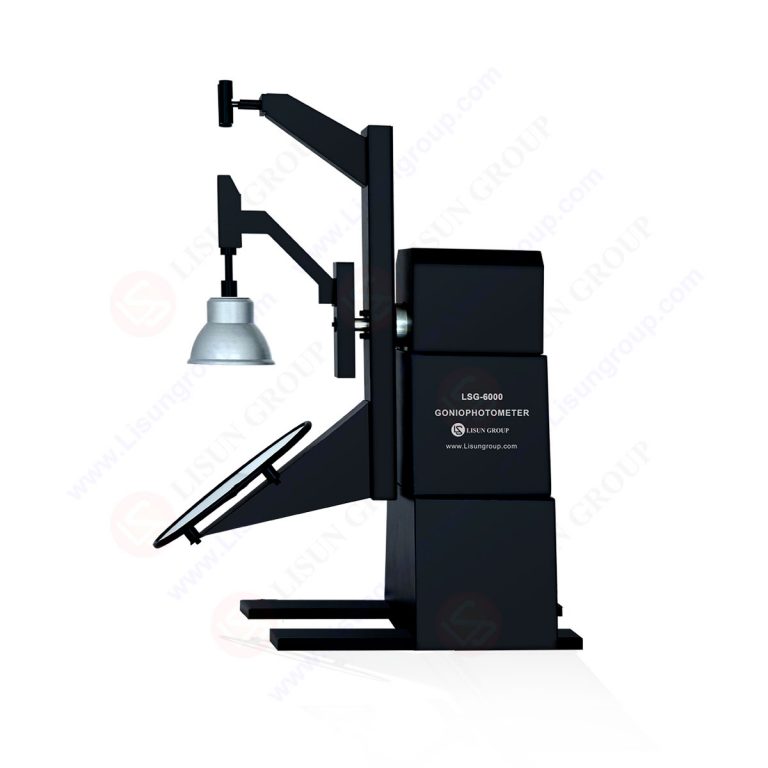
LM-79 Moving Detector Goniophotometer (Mirror Type C)
LSG-6000
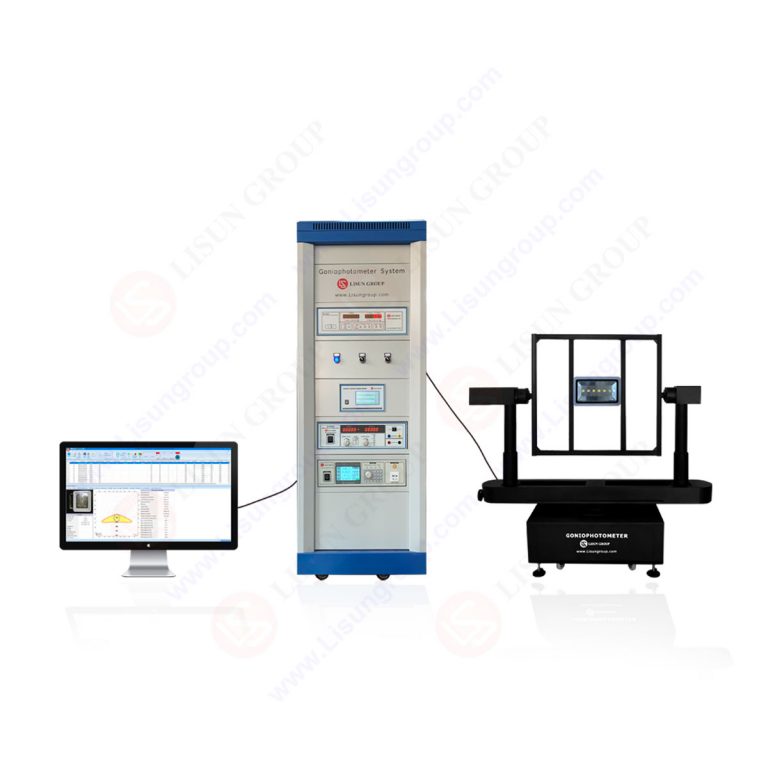
High Precision Rotation Luminaire Goniophotometer
LSG-1890B
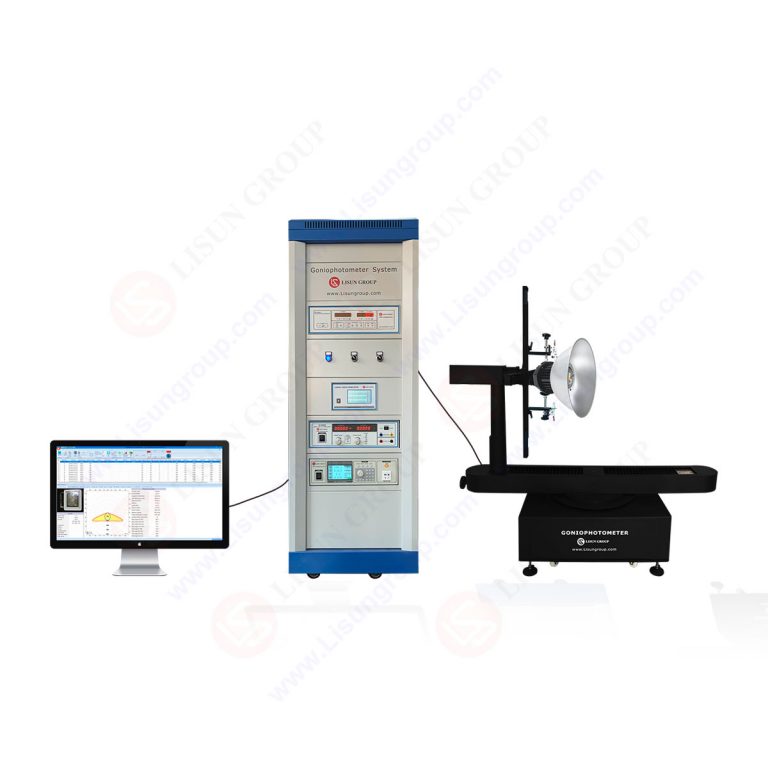
High Precision Rotation Luminaire Goniospectroradiometer
LSG-1890BCCD
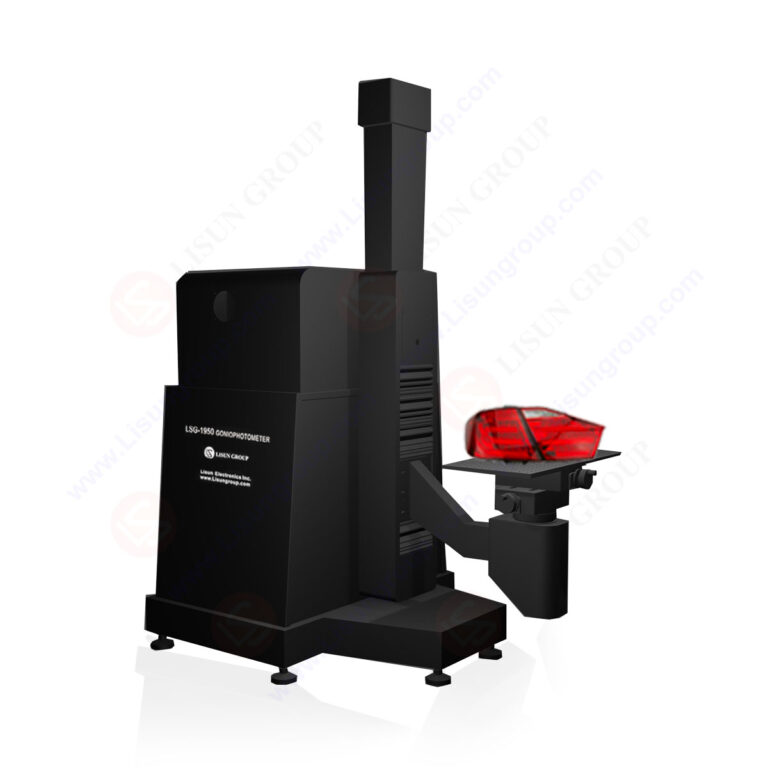
Goniophotometer for Automotive and Signal Lamps
LSG-1950
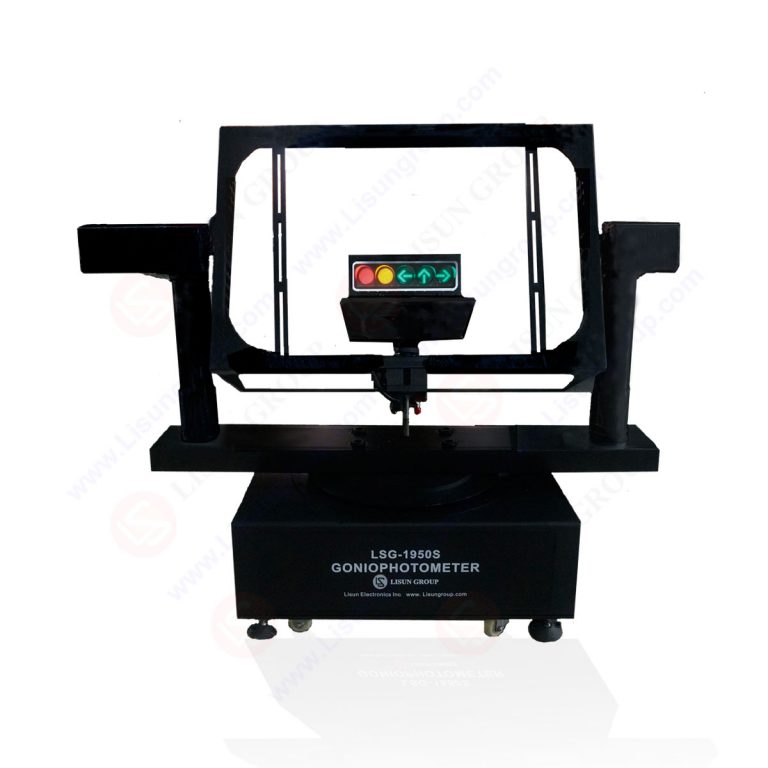
Goniophotometer for Traffic Signal Lamps
LSG-1950S
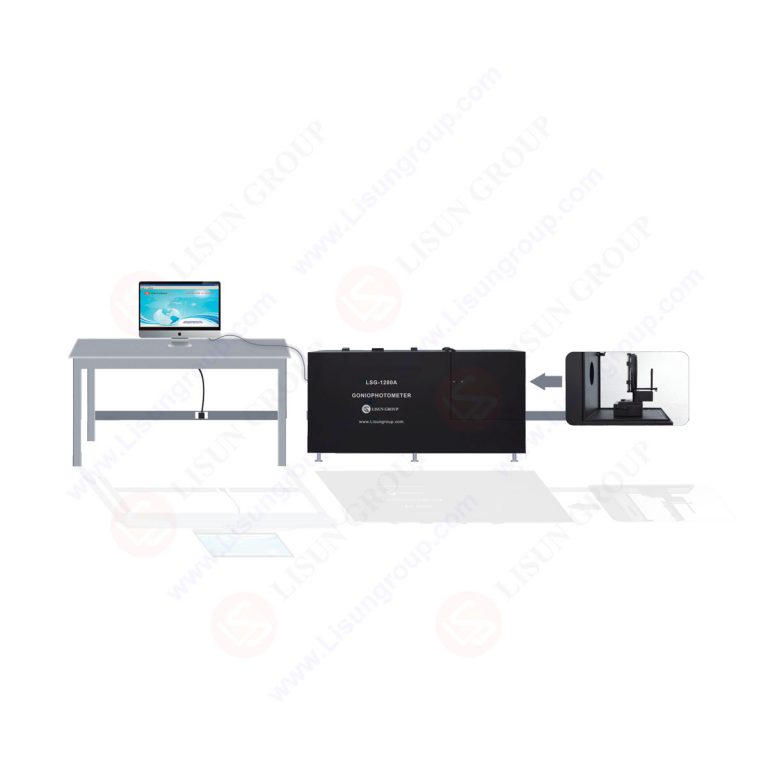
Compact Goniophotometer
LSG-1200A
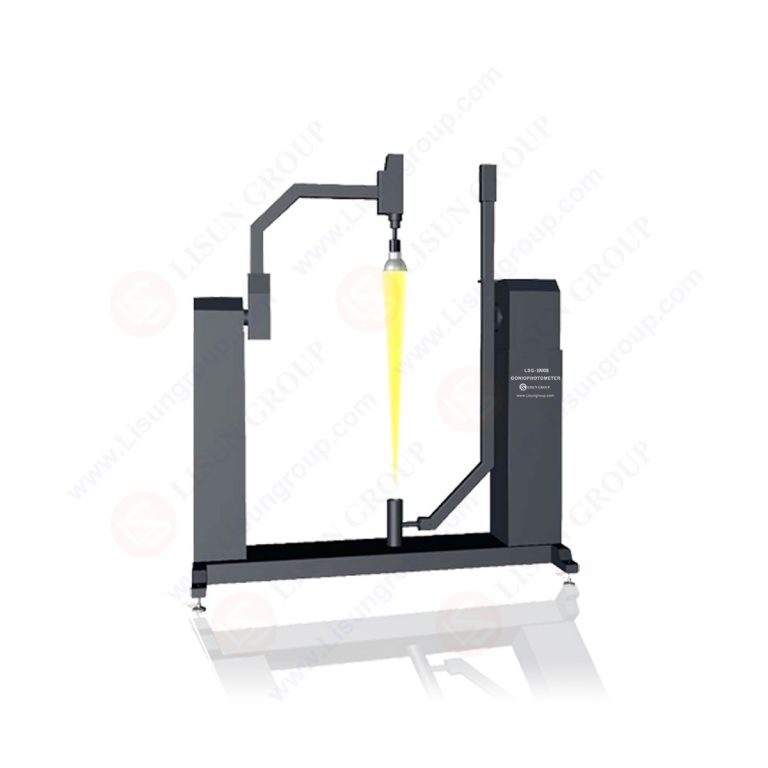
Near Field Moving Detector Goniophotometer
LSG-1900B
 LEDs and Luminaire Test Solutions
 LM-79 and LM-80 Test Solutions
 LED Driver Test Solutions
 Household Appliances Test Solutions
 Mobile and Network Test Solutions
 Automotive Electronics Test Solutions
 Audio-Video and IT Test Solutions
 Cable and Wire Test Solutions
 Plugs and Sockets Test Solutions
 Power Switch Test Solutions
 Transformer Test Solutions
 Electric Toys Test Solutions
 Energy Meter Test Solutions
 Motor-Operated Tool Test Solutions
 IEC International Electrotechnical Commission
 ISO International Organization for Standardization
 CIE International Commission on Illumination
 EN European Standard
 UL Underwriters Laboratories
 SASO Saudi Standards
 BIS Bureau of Indian Standards
Select an organization
to browse standards
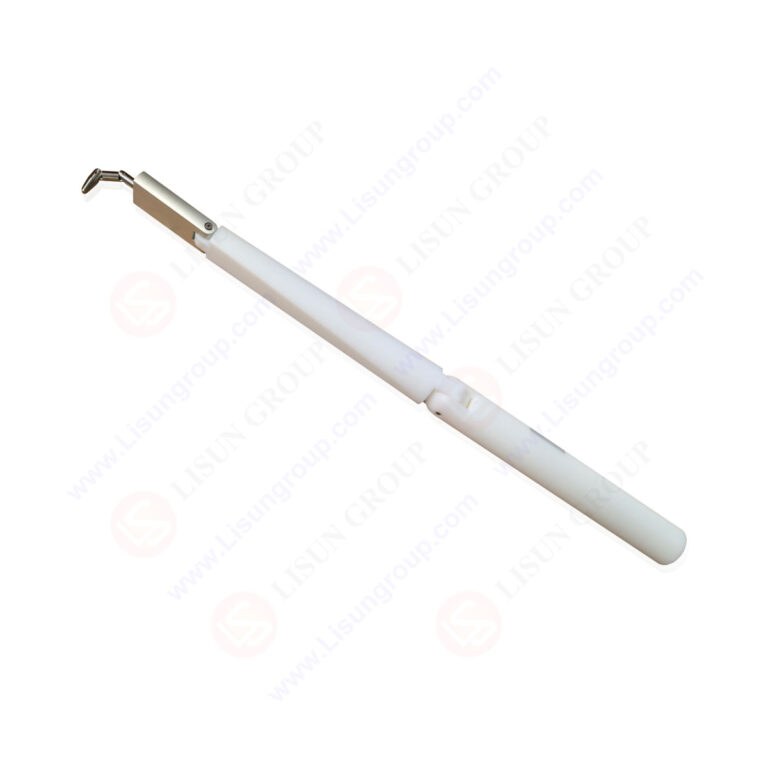
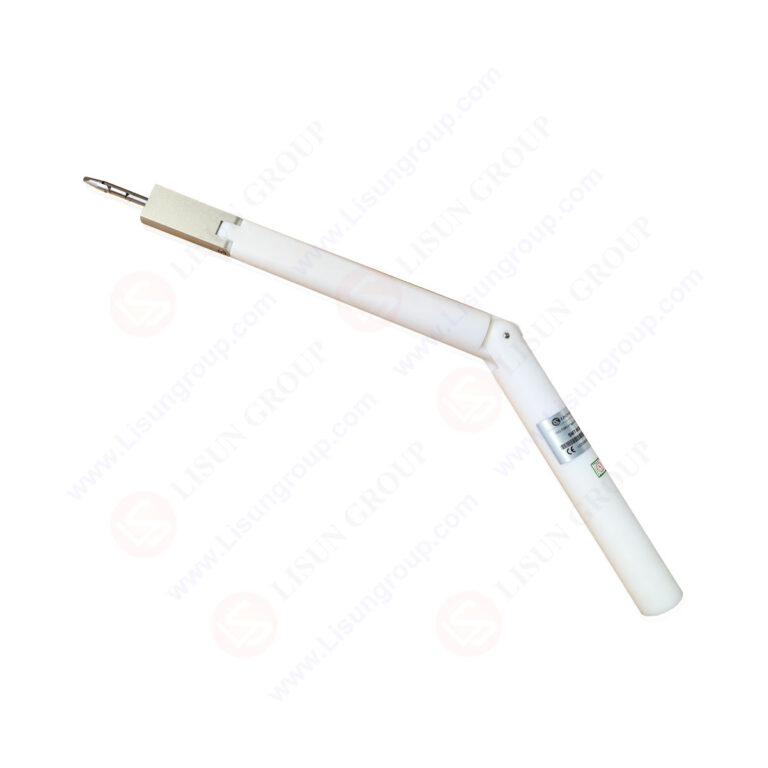
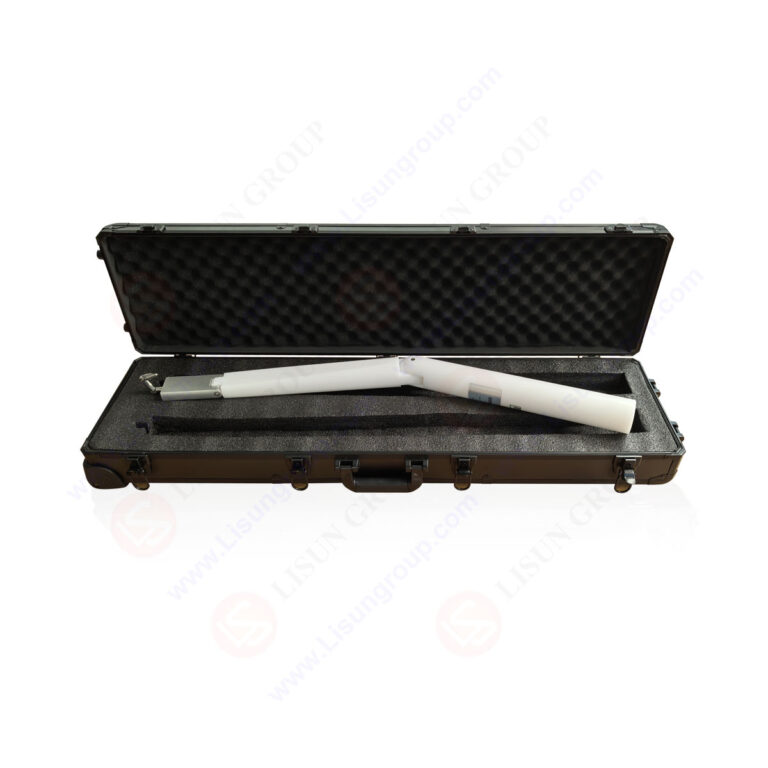
Product No: SMT-953B4
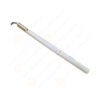
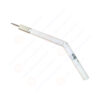
The ISO 5395-3:2013 Figure B.4 Test Probe is a specialized safety tool designed to verify if hazardous parts (like blades or moving gears) on seated-operator ride-on lawnmowers are accessible to users. It mimics human arm movement with a flexible elbow joint (critical for navigating the lawnmower’s structure), while the wrist and finger joints remain rigid—mirroring real-world interaction. Built to strict dimensional standards (e.g., 950mm total length, Φ12mm probe section), it ensures consistent testing of combustion-engine-powered lawnmowers. Durable and precision-engineered, it’s essential for manufacturers to meet global garden equipment safety rules and prevent operator injury.
Specifications:
Tool Type: Test Probe (ISO 5395-3:2013 Figure B.4; for accessibility testing of hazardous parts on seated-operator ride-on lawnmowers)
Probe Material: High-strength steel (corrosion-resistant; withstands outdoor testing conditions; rigid to maintain dimensional accuracy)
Handle Material: Insulated plastic (ergonomic grip for outdoor use; slip-resistant even with moisture; resistance ≥ 100MΩ)
Key Dimensions (mm) :
– Total Length: 950 ± 2mm
– Main Probe Section Length: 860 ± 2mm
– Elbow-to-Tip Length: 550 ± 2mm
– Probe Diameter: Φ12 ± 0.1mm
– Tip Spherical Radius (SR): 3 ± 0.05mm
– Joint-Related Sizes: 28mm (elbow width), 20mm (joint thickness), 180mm (upper arm segment), 80mm (lower arm segment), 30mm (joint spacing)
Joint Characteristics:
– Elbow Joint: Flexible (90° ± 10° rotation to mimic arm movement)
– Wrist/Finger Joints: Non-flexible (aligns with ISO 5395-3:2013 human interaction simulation)
Core Function: Tests if ride-on lawnmower hazardous parts are reachable; mimics seated operator’s arm movement; ensures compliance with garden equipment safety standards
Test Procedures:
1. Inspect the probe for loose elbow joints, bent sections, or cracked insulation; confirm all dimensions match ISO 5395-3:2013.
2. Position the ride-on lawnmower under test (EUT) on a flat surface, powering it to normal operating mode.
3. Adjust the probe’s elbow joint to mimic a seated operator’s arm angle (most unfavourable for reaching hazards).
4. Guide the probe’s Φ12mm tip toward EUT hazardous parts (e.g., blade housing gaps, gear covers).
5. Check if the probe touches dangerous components—note any contact with moving or live parts.
6. Record results: Pass if no access to hazards; Fail if the probe reaches hazardous parts.
Applications:
1. Testing blade housing gaps on residential seated ride-on lawnmowers (per ISO 5395-3:2013 Figure B.4) to prevent finger/arm injury.
2. Verifying gear cover accessibility on commercial combustion-engine ride-on lawnmowers (compliant with EN 16232-3:2017) to block contact with moving parts.
3. Safety checks for lawnmower steering column-related hazards (per ANSI/OPEI B71.10:2022) to ensure operator protection.
4. Quality control for ride-on lawnmower manufacturers, validating compliance with ISO 5395-3:2013 safety requirements.
5. Post-production testing of large garden ride-on lawnmowers to meet global garden equipment hazard accessibility standards.
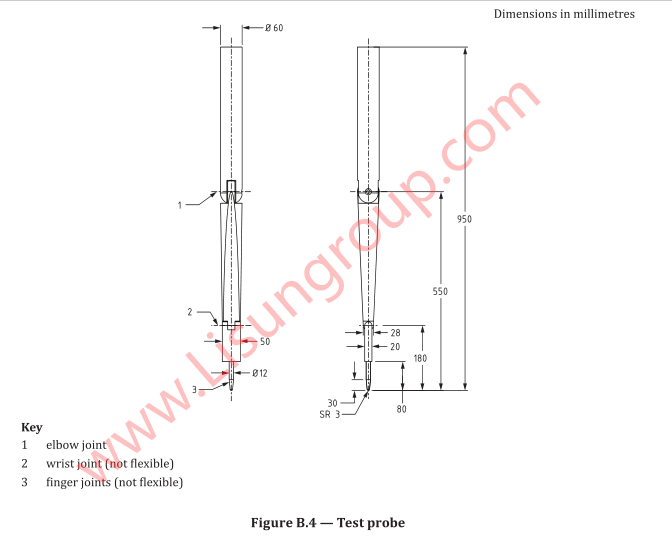
ISO 5395-3: 2013 Figure B.4


 English
 中文简体
中文简体 English
 Русский
 Español
 Português
 Türkçe
 العربية
 Deutsch
 Polski
 Italiano
 Français
 한국어
한국어 ไทย
ไทย Tiếng Việt
 日本語
日本語