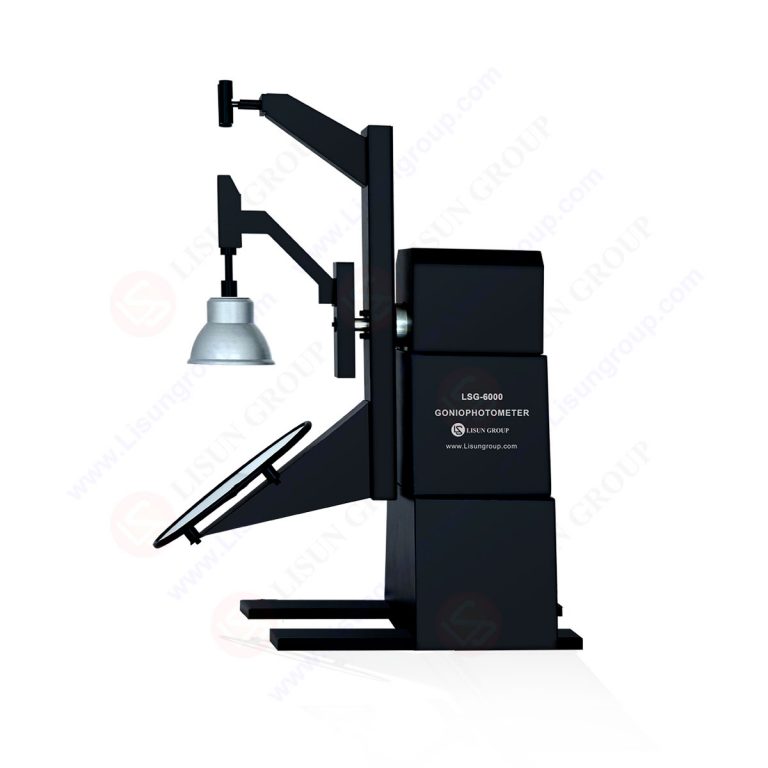
LM-79 Moving Detector Goniophotometer (Mirror Type C)
LSG-6000
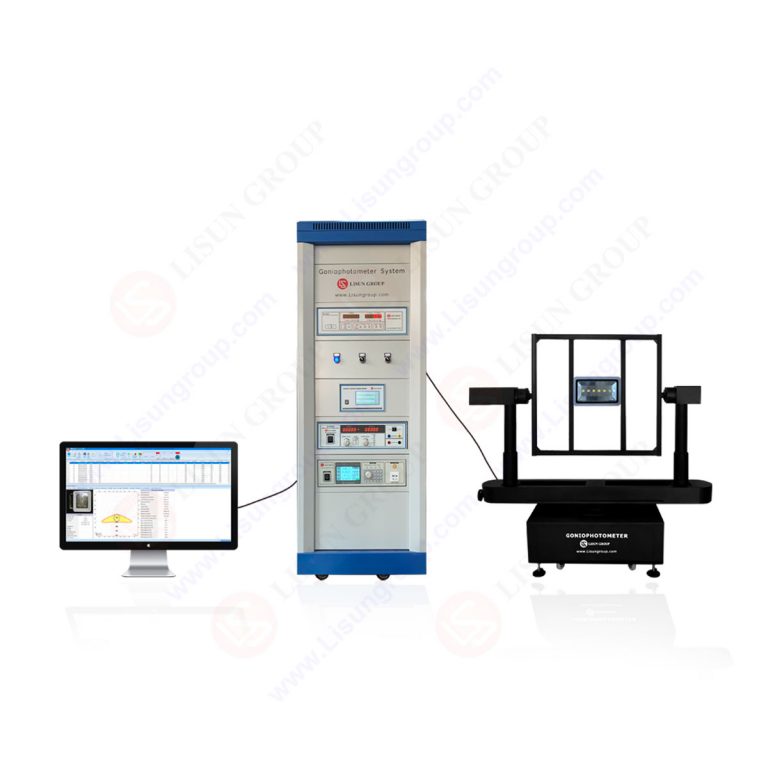
High Precision Rotation Luminaire Goniophotometer
LSG-1890B
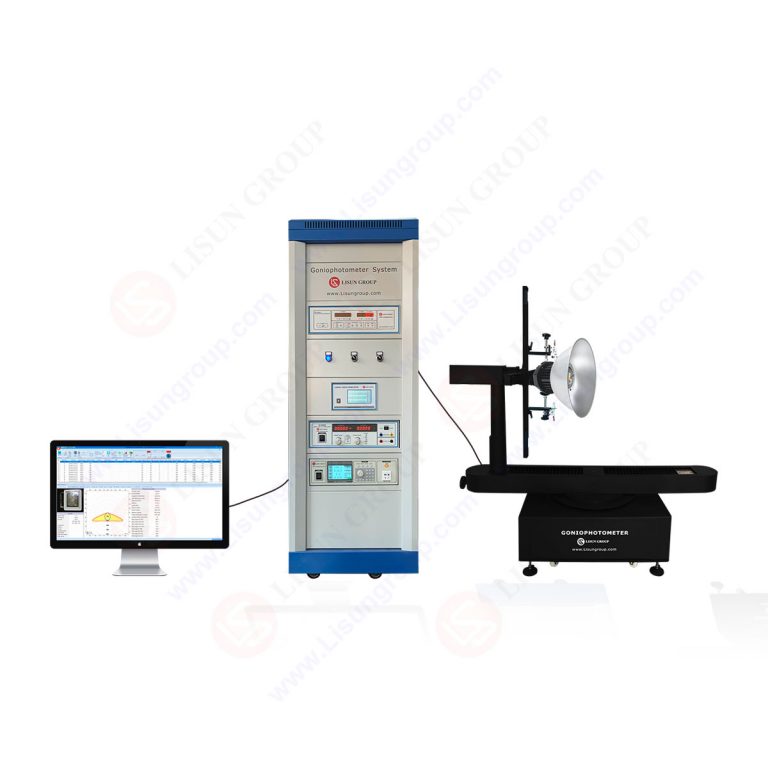
High Precision Rotation Luminaire Goniospectroradiometer
LSG-1890BCCD
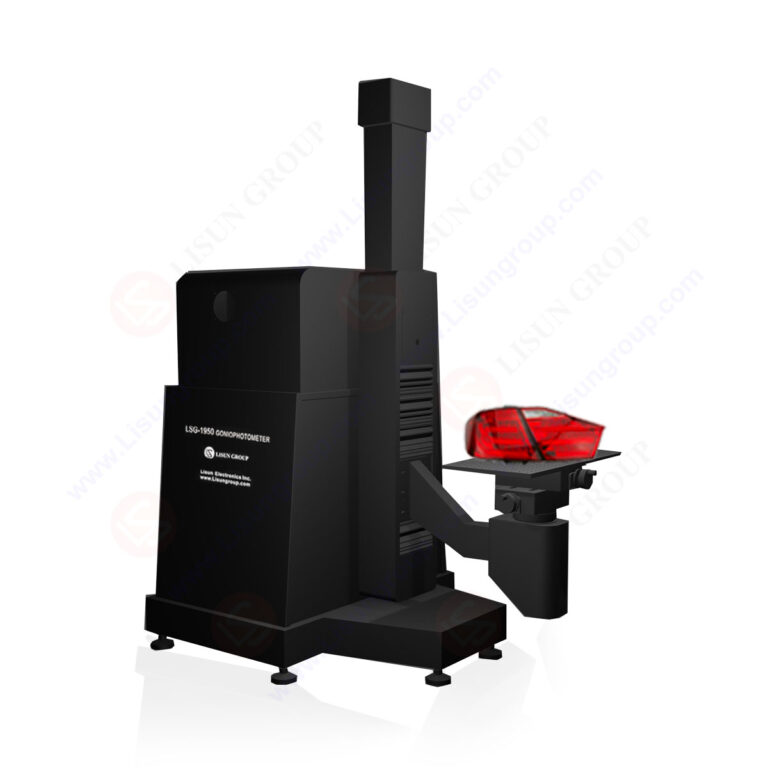
Goniophotometer for Automotive and Signal Lamps
LSG-1950
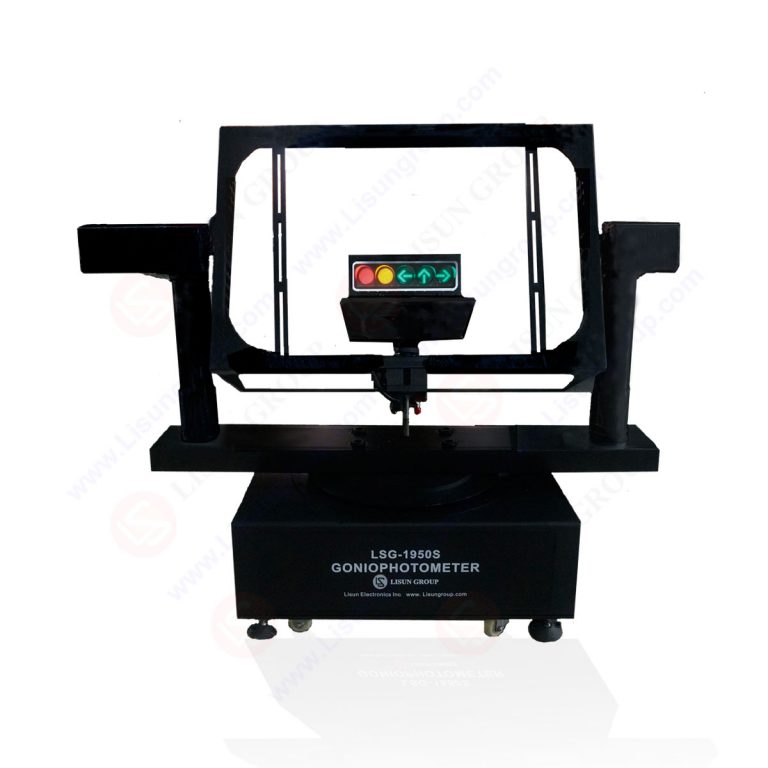
Goniophotometer for Traffic Signal Lamps
LSG-1950S
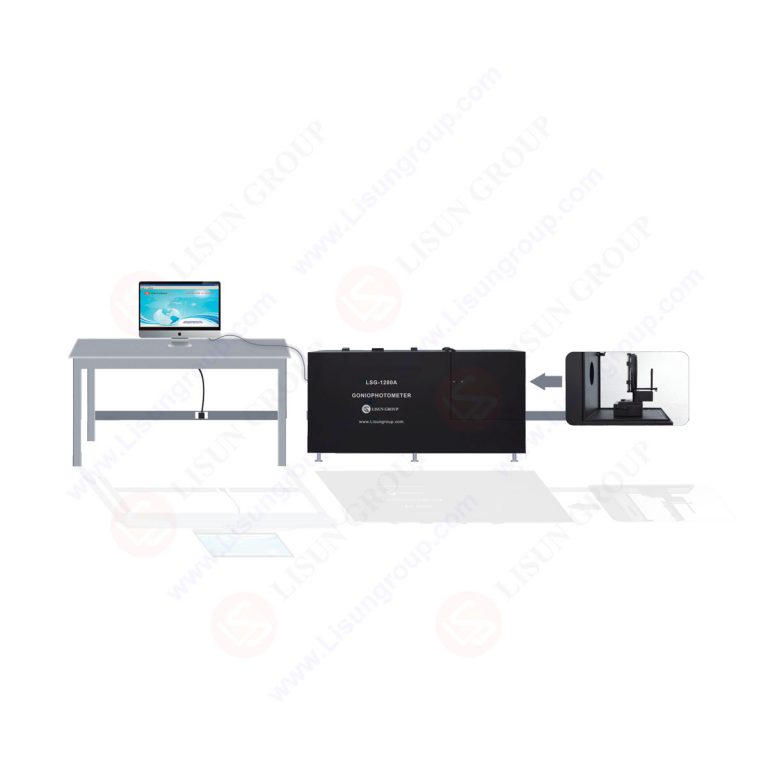
Compact Goniophotometer
LSG-1200A
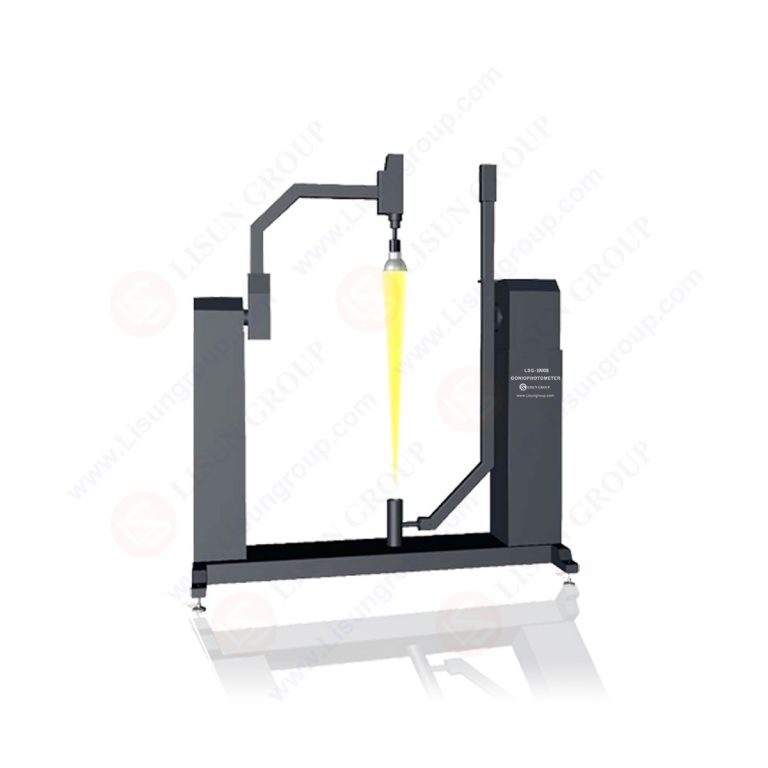
Near Field Moving Detector Goniophotometer
LSG-1900B
 LEDs and Luminaire Test Solutions
 LM-79 and LM-80 Test Solutions
 LED Driver Test Solutions
 Household Appliances Test Solutions
 Mobile and Network Test Solutions
 Automotive Electronics Test Solutions
 Audio-Video and IT Test Solutions
 Cable and Wire Test Solutions
 Plugs and Sockets Test Solutions
 Power Switch Test Solutions
 Transformer Test Solutions
 Electric Toys Test Solutions
 Energy Meter Test Solutions
 Motor-Operated Tool Test Solutions
 IEC International Electrotechnical Commission
 ISO International Organization for Standardization
 CIE International Commission on Illumination
 EN European Standard
 UL Underwriters Laboratories
 SASO Saudi Standards
 BIS Bureau of Indian Standards
Select an organization
to browse standards
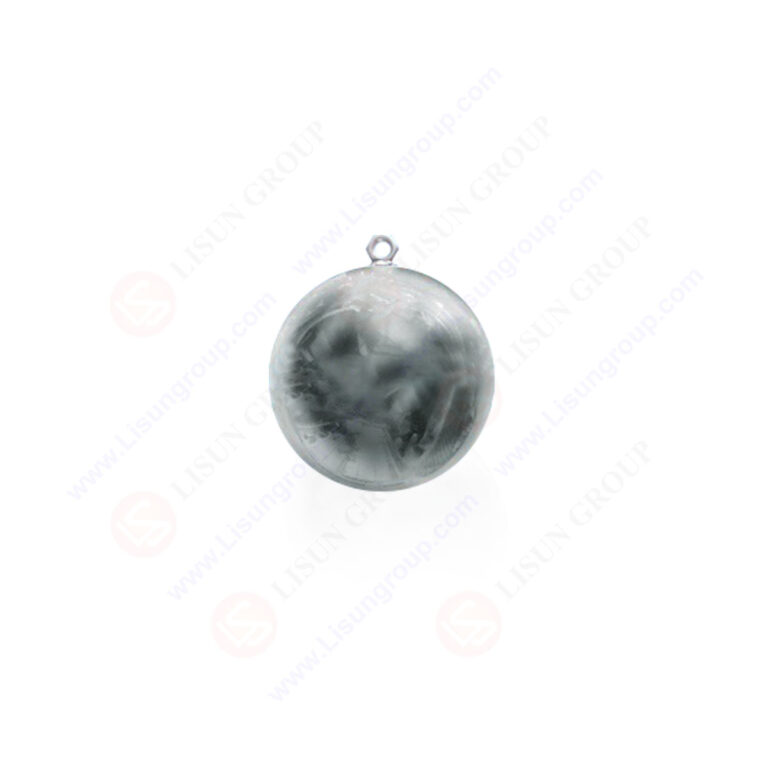
Product No: SMT-B226H
This IEC 62368-1/UL 1989 38.1mm 226g Impact Test Steel Ball with Ring is a specialized safety testing tool designed for consumer electronics, small household appliances, and light industrial equipment. The integrated stainless steel ring enables easy suspension and precise height adjustment—critical for delivering consistent, controlled impact force to test enclosure structural integrity. Crafted from solid carbon steel, it simulates real-world low-to-medium impact scenarios (e.g., accidental drops of small objects) to verify if device housings avoid cracks, deformation, or exposure of hazardous internal parts (like batteries or circuits). Durable, standard-aligned, it’s essential for manufacturers to validate product robustness and meet global safety regulations.
Specifications:
Tool Type: 226g Impact Test Steel Ball with Ring (for low-to-medium impact enclosure testing)
Ball Material: Solid carbon steel (density: 7.85g/cm³; no deformation under standard impact; ensures consistent force delivery)
Ring Material: Stainless steel (corrosion-resistant; tensile strength ≥ 500MPa; secure for suspension)
Ball diameter: 38,1 mm
Ball weight: 226 g
Surface Treatment: Smooth, deburred finish (prevents scratches on tested enclosures; ensures even impact distribution)
Typical Impact Height: 0.8–1.2 meters (adjustable per device category; suits consumer electronics and small appliances)
Core Function: Delivers controlled low-to-medium impact to test equipment enclosure integrity; verifies no hazard exposure post-impact
Test Procedures:
1. Inspect the steel ball (no dents/cracks) and ring (no bending) to confirm structural integrity.
2. Secure the device under test (DUT) on a flat, non-slip surface—align the target enclosure area.
3. Use the ring to suspend the steel ball at the specified height (e.g., 1.0m for smartphones) directly above the DUT.
4. Release the ball freely (no extra force) to impact the DUT’s enclosure.
5. After impact, check for enclosure damage (cracks, deformation) or exposed internal parts.
6. Record results: pass if intact; fail if damage/hazards are present.
Applications:
1. Impact testing of smartphone and tablet back covers (per IEC 62368-1:2022 Figure 7.4.1) to resist drop damage.
2. Safety checks for small kitchen appliances (e.g., portable blenders, coffee makers) compliant with UL 1989:2023.
3. Verification of laptop keyboard decks (preventing deformation from small-object impacts) per IEC 60529:2013.
4. Quality control for wearable devices (e.g., fitness trackers) during manufacturing to validate casing robustness.
5. Post-production testing of non-patient-contact medical devices (e.g., thermometers) to meet global safety standards.


 English
 中文简体
中文简体 English
 Русский
 Español
 Português
 Türkçe
 العربية
 Deutsch
 Polski
 Italiano
 Français
 한국어
한국어 ไทย
ไทย Tiếng Việt
 日本語
日本語