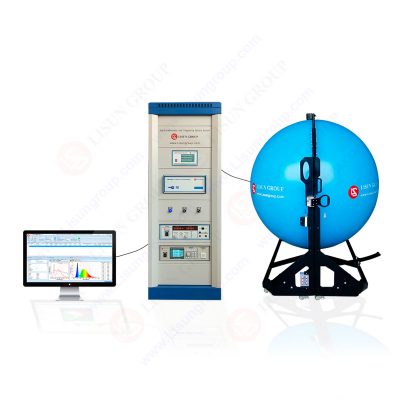
LM-79 Moving Detector Goniophotometer (Mirror Type C)
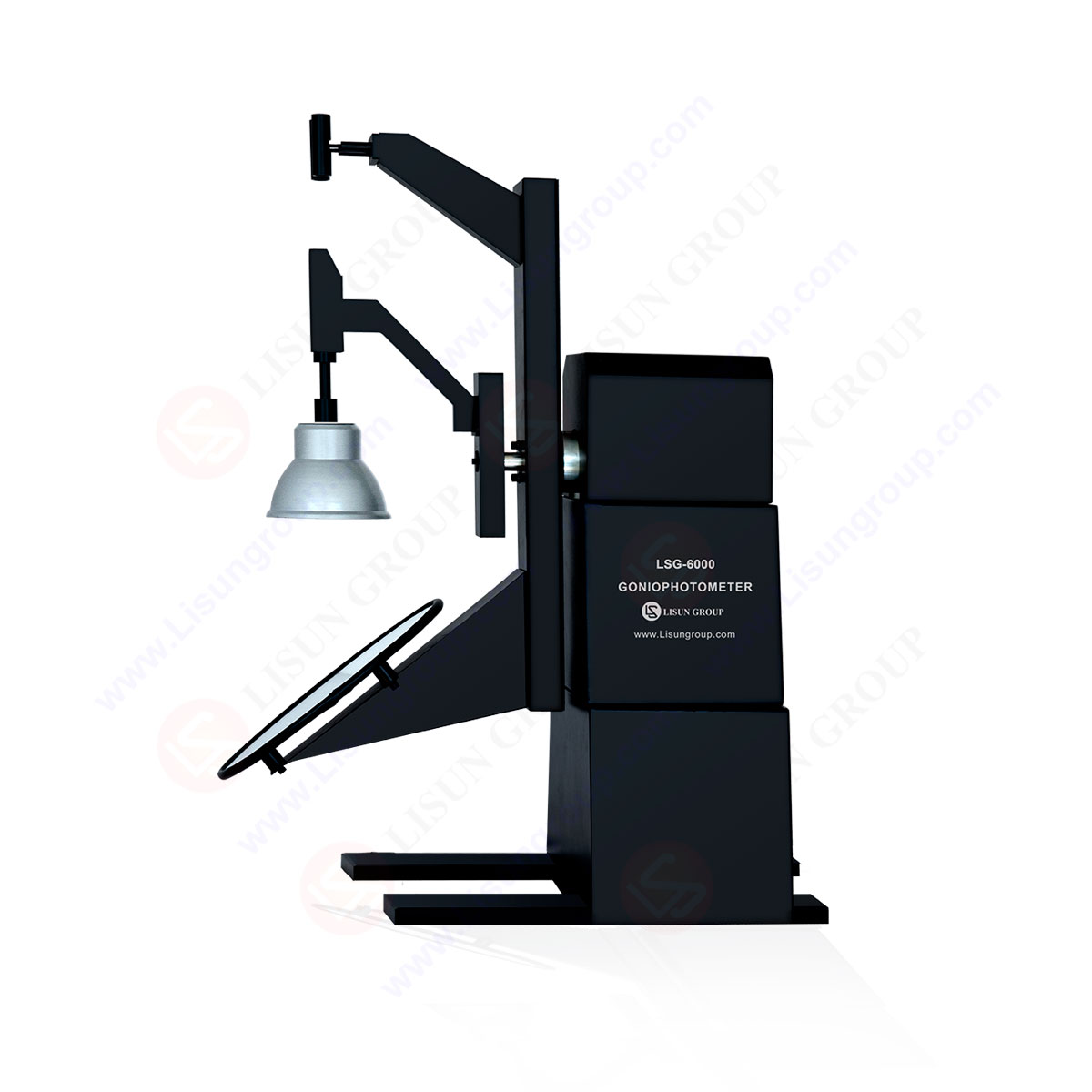
LSG-6000
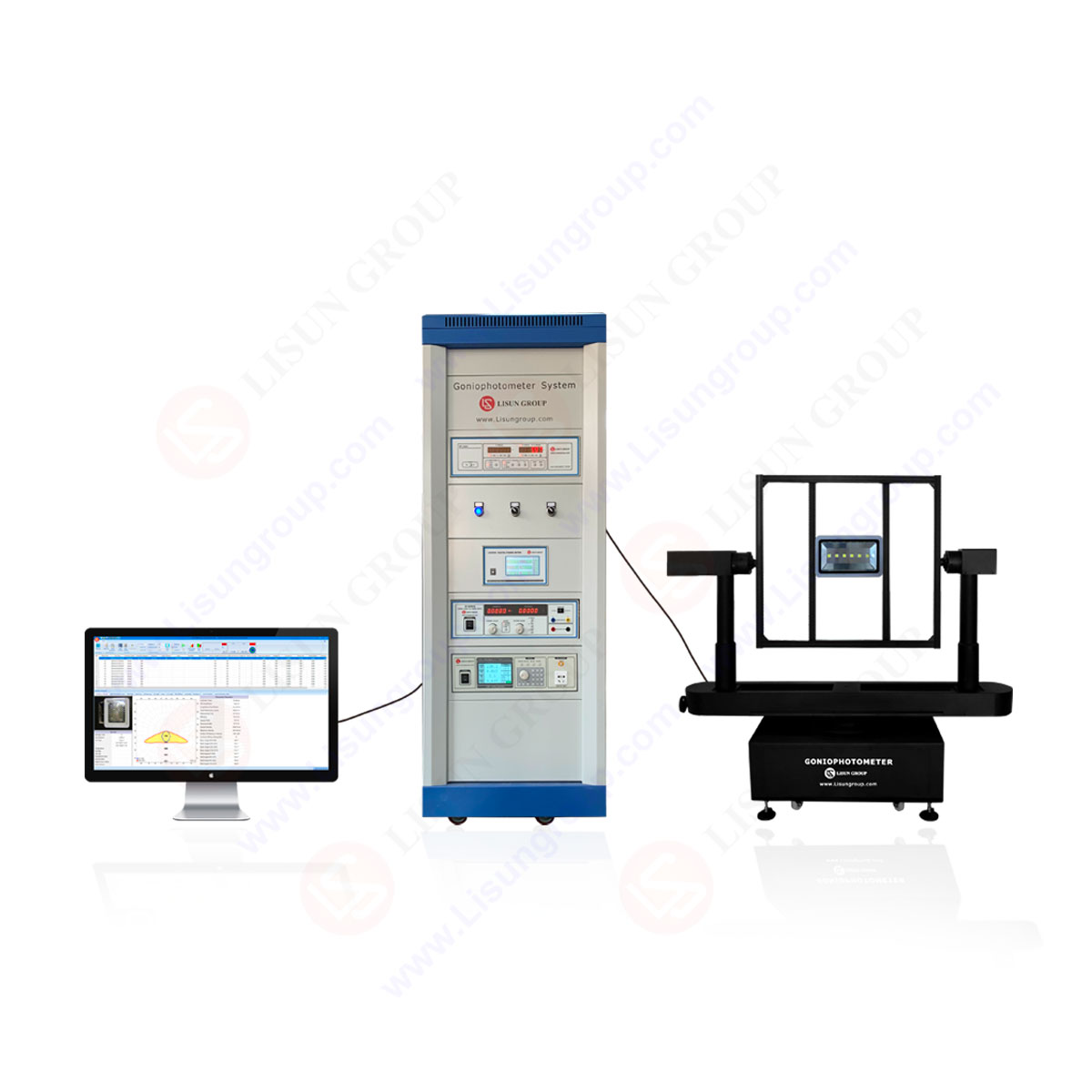
High Precision Rotation Luminaire Goniophotometer
LSG-1890B
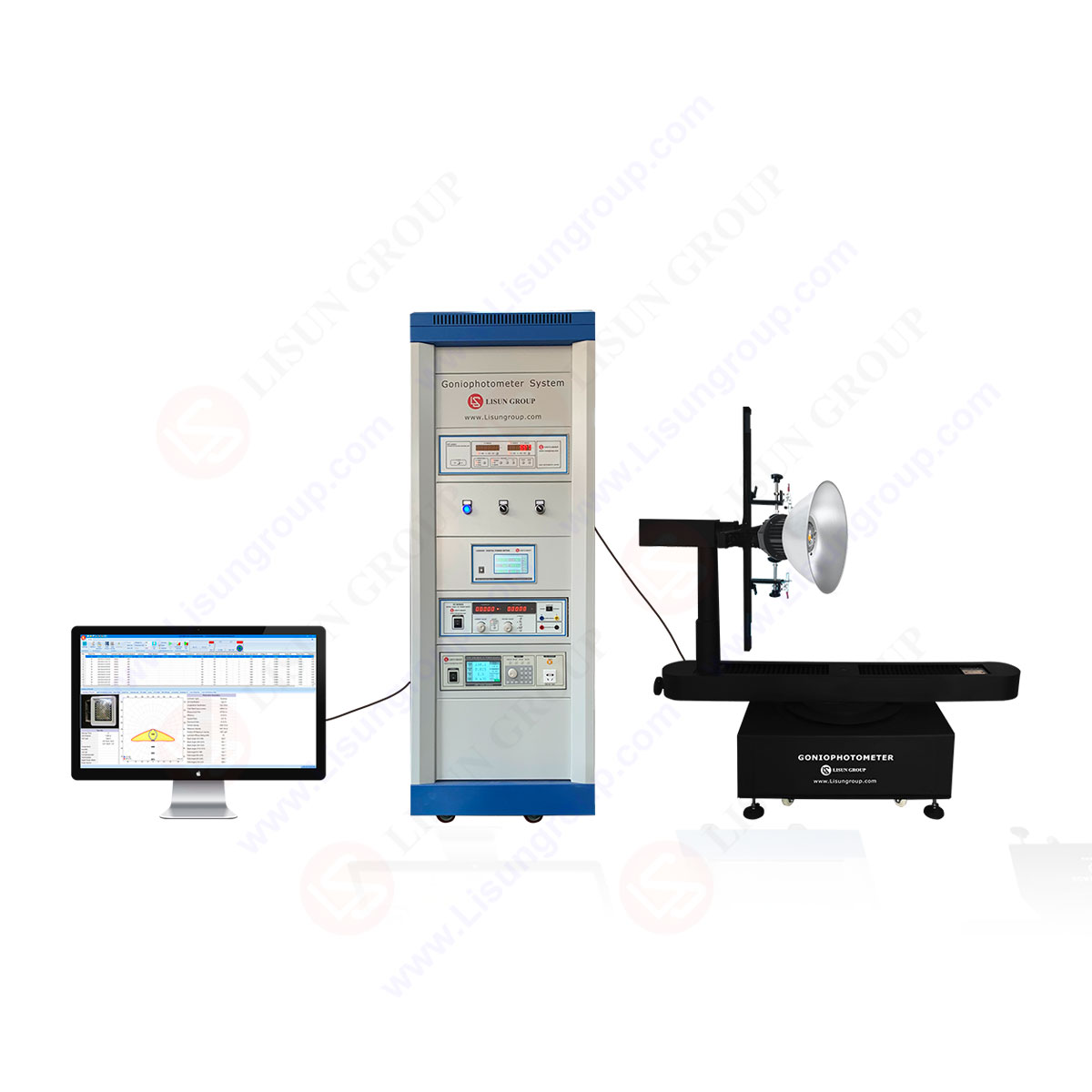
High Precision Rotation Luminaire Goniospectroradiometer
LSG-1890BCCD
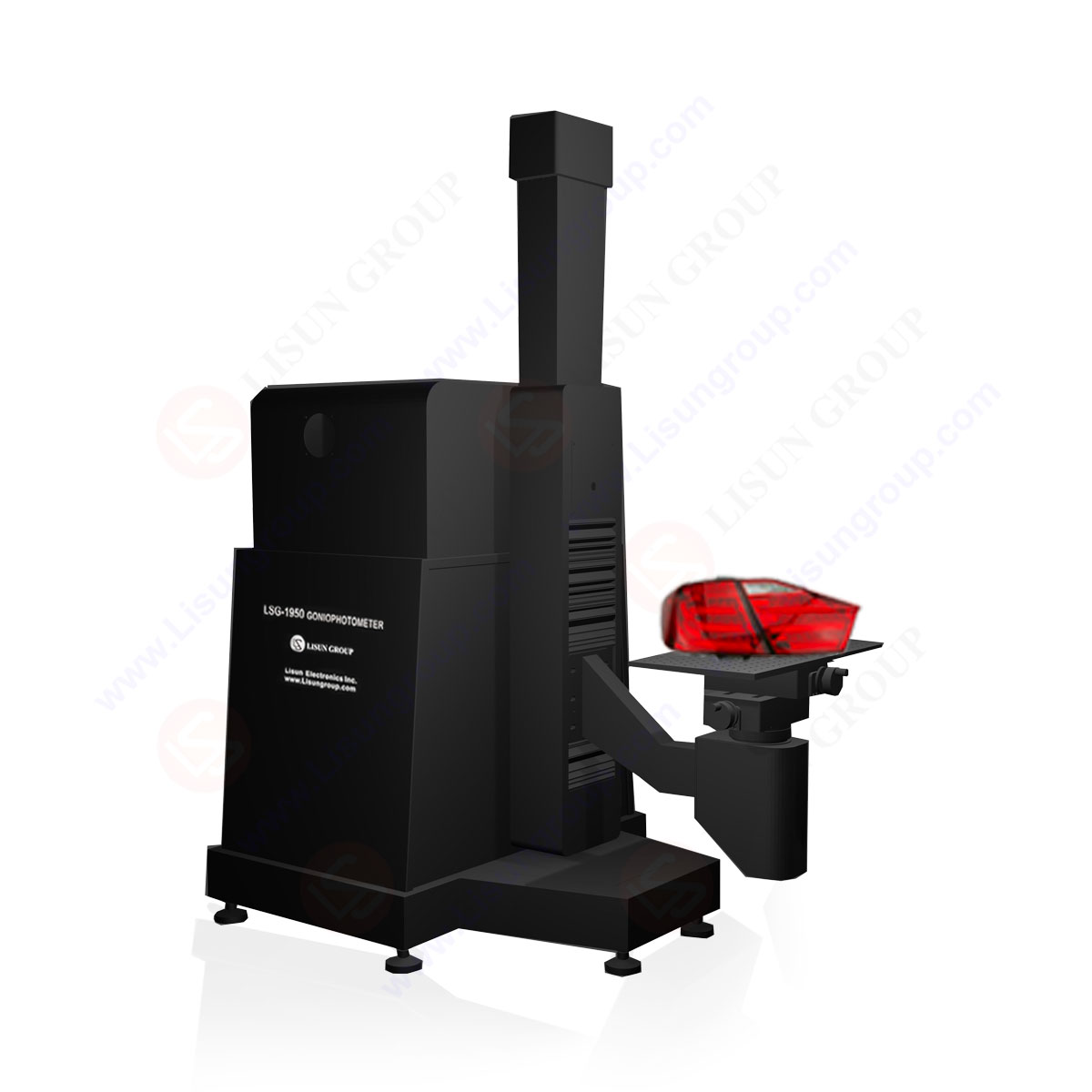
Goniophotometer for Automotive and Signal Lamps
LSG-1950
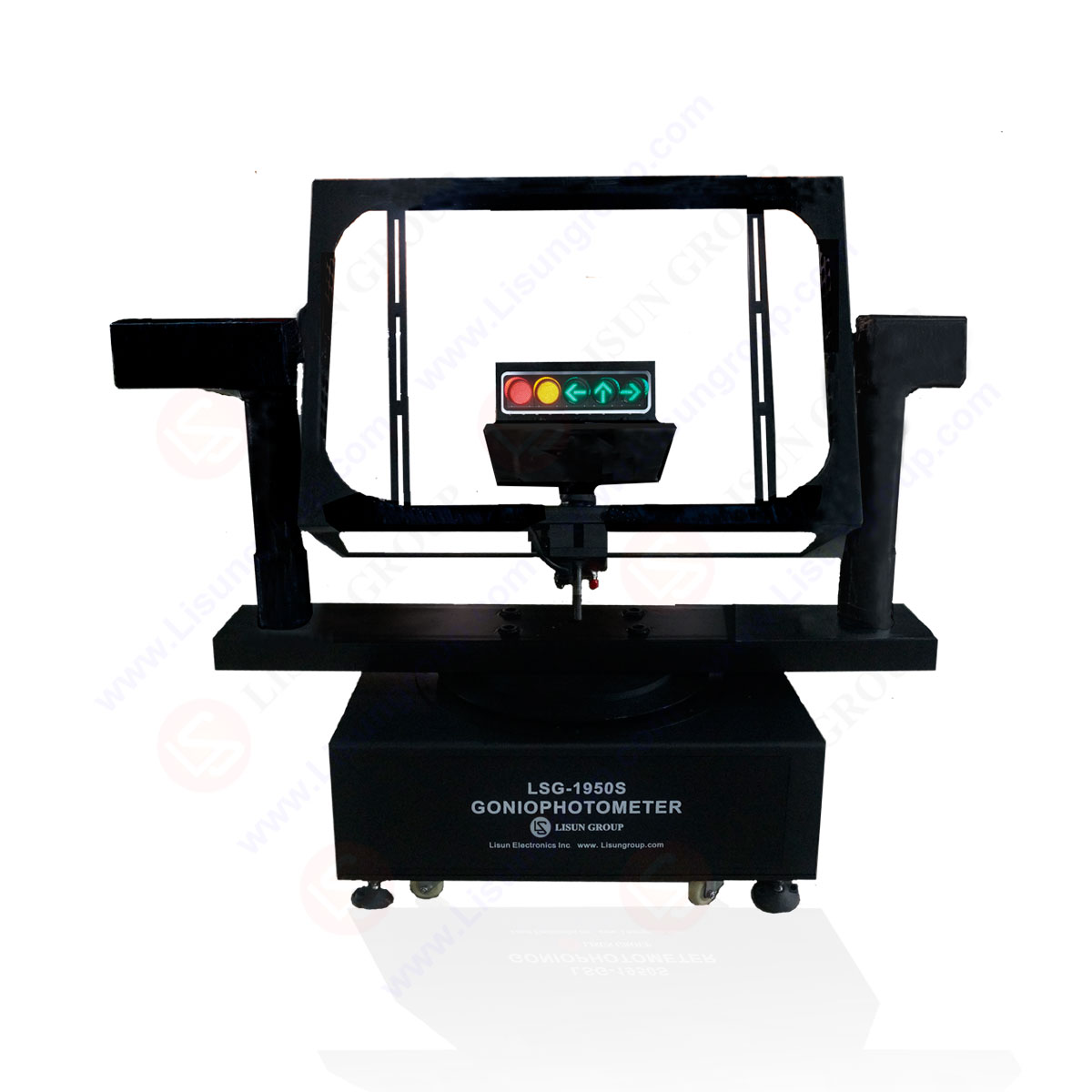
Goniophotometer for Traffic Signal Lamps
LSG-1950S
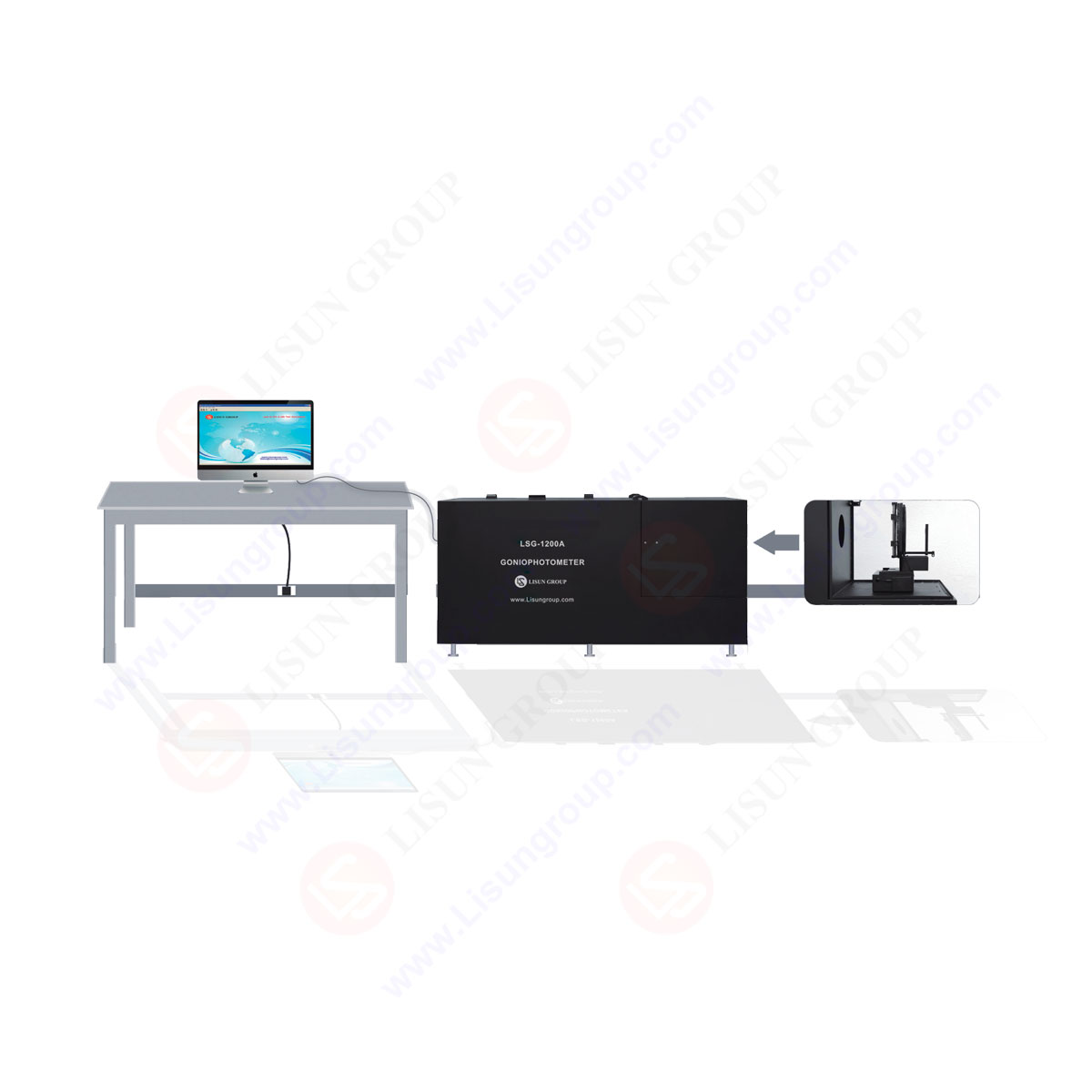
Compact Goniophotometer
LSG-1200A

Near Field Moving Detector Goniophotometer
LSG-1900B
 LEDs and Luminaire Test Solutions
 LM-79 and LM-80 Test Solutions
 LED Driver Test Solutions
 Household Appliances Test Solutions
 Mobile and Network Test Solutions
 Automotive Electronics Test Solutions
 Audio-Video and IT Test Solutions
 Cable and Wire Test Solutions
 Plugs and Sockets Test Solutions
 Power Switch Test Solutions
 Transformer Test Solutions
 Electric Toys Test Solutions
 Energy Meter Test Solutions
 Motor-Operated Tool Test Solutions
Select an organization
to browse standards
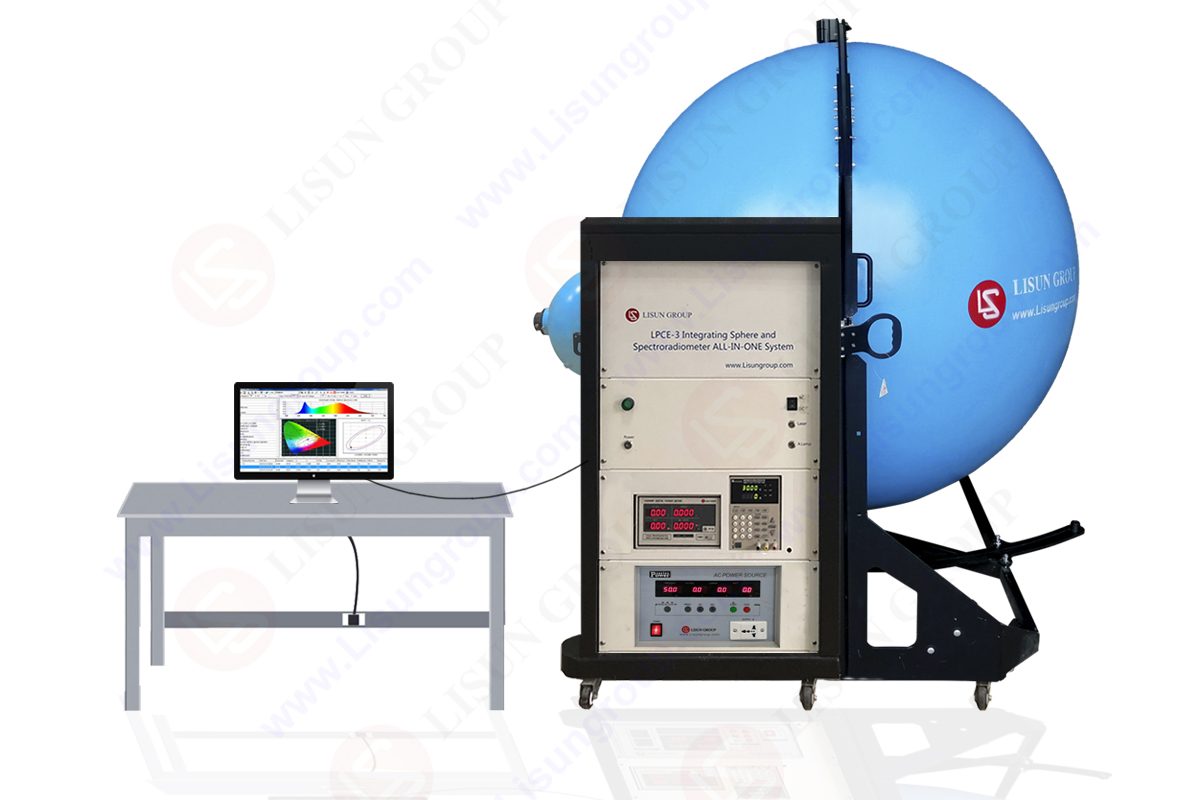
Lighting, everything is about lumens. But precisely what are lumens? And how do you comprehend what light bulbs and light fittings contain? And if you want a brilliant and luminous fixture, it is essential to choose the right part for your lighting. In short, the lumen is equal to brightness. Lumens quantify how much light a bulb gives you. More lights indicate that light is brighter; fewer lumens suggest that light is dimmer. For lumen measurement, the best tool you can get is the integrating sphere.
The lumens definition is: “a unit of luminous flux in the International System of Units, that is equal to the amount of light given out through a solid angle by a source of one candela intensity radiating equally in all directions.”
Lumen measurement
The measurement of luminous flux and radiant power using an integrating sphere is a typically reliable and appropriate technique for a wide variety of lighting products. You may use a high-resolution spectrum analyzer for transmission and emission spectrum measurement; however, the so-called integration sphere can identify light sources with radiant power or light flux. The integration field, often known after its creator as the Ulbricht sphere, is thus one of the most potent instruments used in the application for spectrometers.
Integrating sphere
All radiation from a light source is captured simultaneously by an integrating sphere—a few key features of a lamp that producers and final users find most essential for light measuring. The number of lumens, color, and efficiency is (how many lumens of output per watt of energy). Lumens are determined by balancing the photographic response of the eye on the spectral radiant flux. In this article, we will quickly examine two main kinds of equipment to determine luminous flow: photometers and spectroradiometers. Integrating spheres allows direct measurement of the spectrum light source radiant flow and subsequently the photopic reaction to the spectral data and the calculation of an exact lumen value. For several reasons, it is beneficial to acquire spectrum information using the integrated sphere:
1. Improved calculation of the lumen
2. Chromaticity coordinates computation
3. Color rendering indices computation
Procedure for lumen measurement
The integrating sphere is a hollow sphere with a diffusely reflective surface and is opaque and closed on every side. The radiation is wholly integrated and mixed inside the incorporating globe before a detector separates it for measurement. The test item is fastened in the middle of the sphere to quantify the light flow in every direction. The total energy released by the source may thus be calculated irrespective of the original structure or the spatial distribution of emissions. This technique enables accurate light sources and considers all designs, lighting angles, and kinds. Integrating spheres are used to measure incandescent and electric-light sources effectively. You may also use them to characterize light sources made out of LEDs or OLEDs. So, for the lumen measurement, the integrating sphere is the best device for you.
Why is integrating sphere best?
An integrated sphere is your best choice for determining the light source’s luminous flow correctly. You have all the spectrum data at your fingertips when utilizing an integrating sphere. You may translate spectral data to provide key color characteristics such as chromaticity, color temperature correlation, and color rendering indices. On the other hand, a complete reproduction of the CIE luminous efficiency functions is not feasible when using a photometer with a filtered detector and leads to measurement inaccuracy. LISUN provides the best integrating sphere.
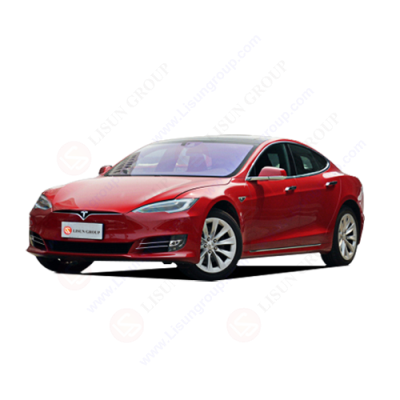
LISUN’s automotive electronics test solutions cover photometric/colorimetric testing, EMC immunity tests, IP waterproof/dustproof tests, and environmental simulation, meeting ISO, SAE, ECE standards.
 English
 中文简体
中文简体 English
 Русский
 Español
 Português
 Türkçe
 العربية
 Deutsch
 Polski
 Italiano
 Français
 한국어
한국어 ไทย
ไทย Tiếng Việt
 日本語
日本語