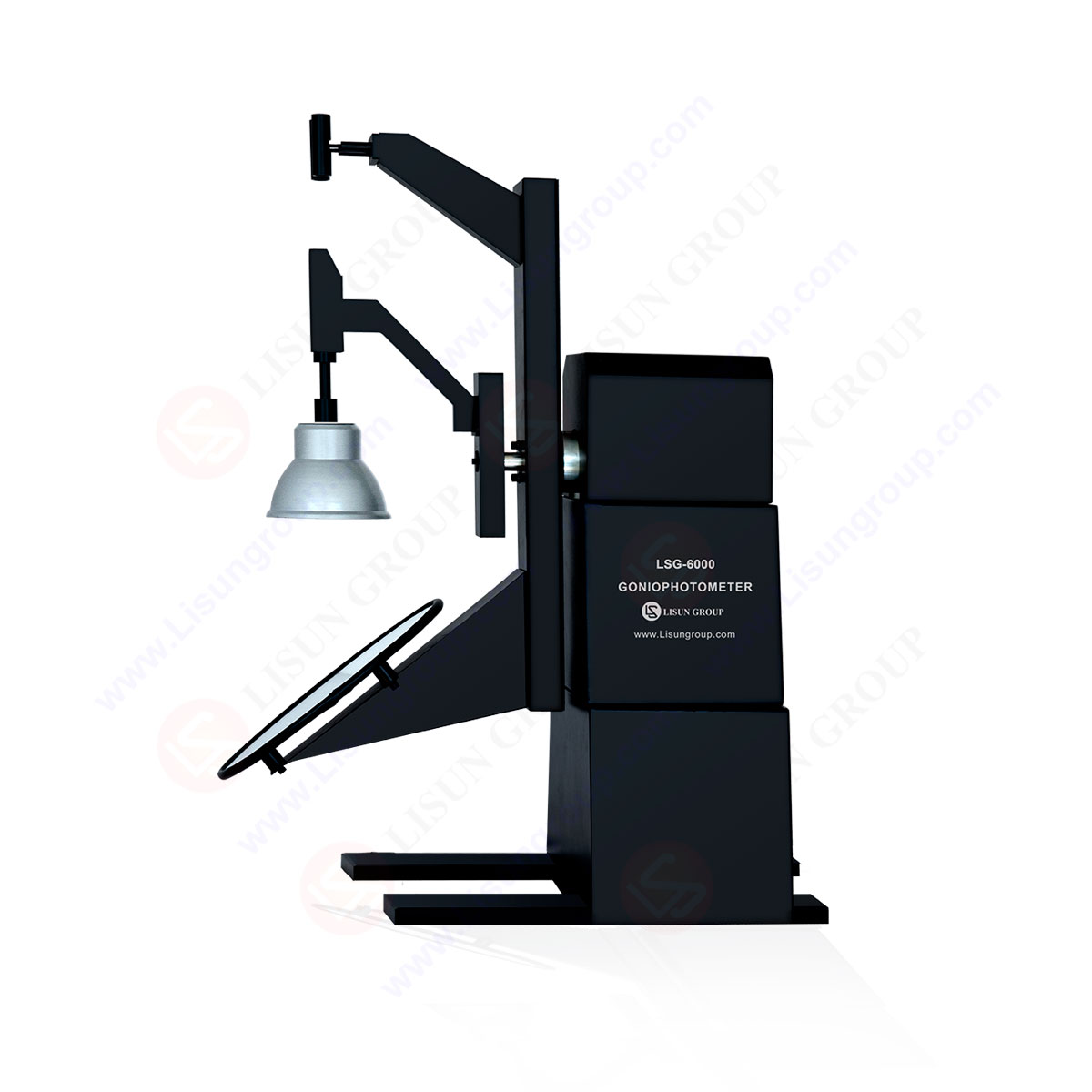
LM-79 Moving Detector Goniophotometer (Mirror Type C)
LSG-6000
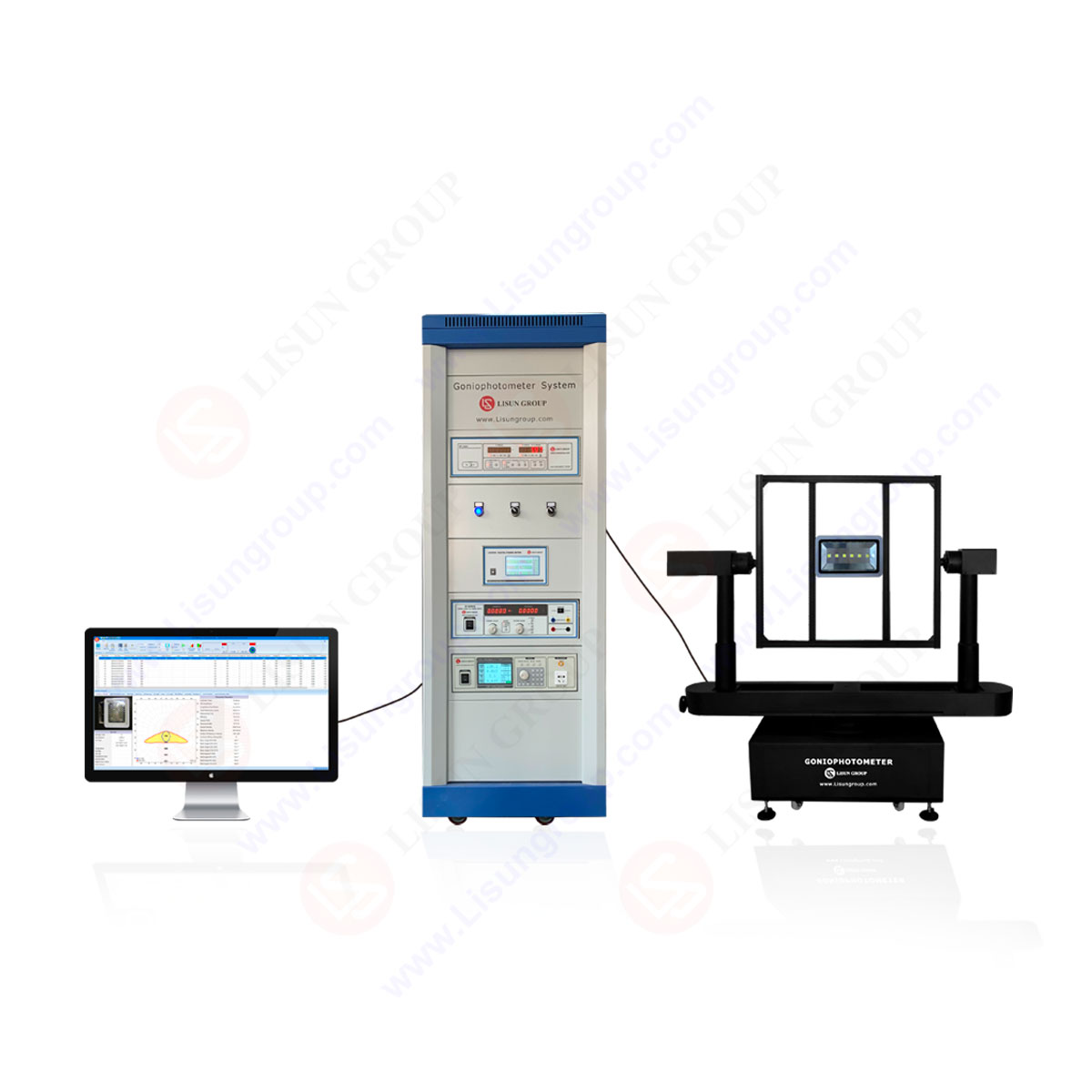
High Precision Rotation Luminaire Goniophotometer
LSG-1890B
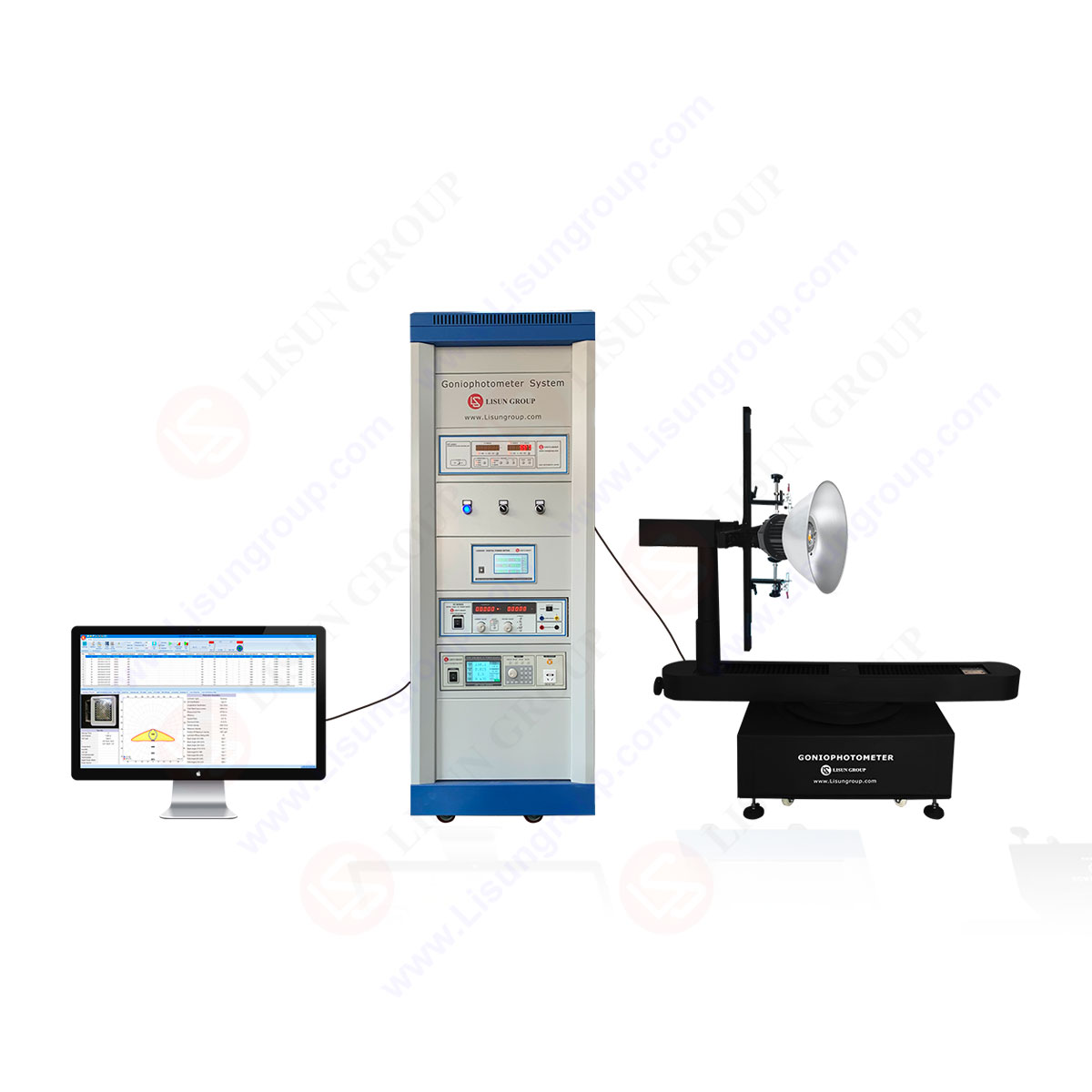
High Precision Rotation Luminaire Goniospectroradiometer
LSG-1890BCCD
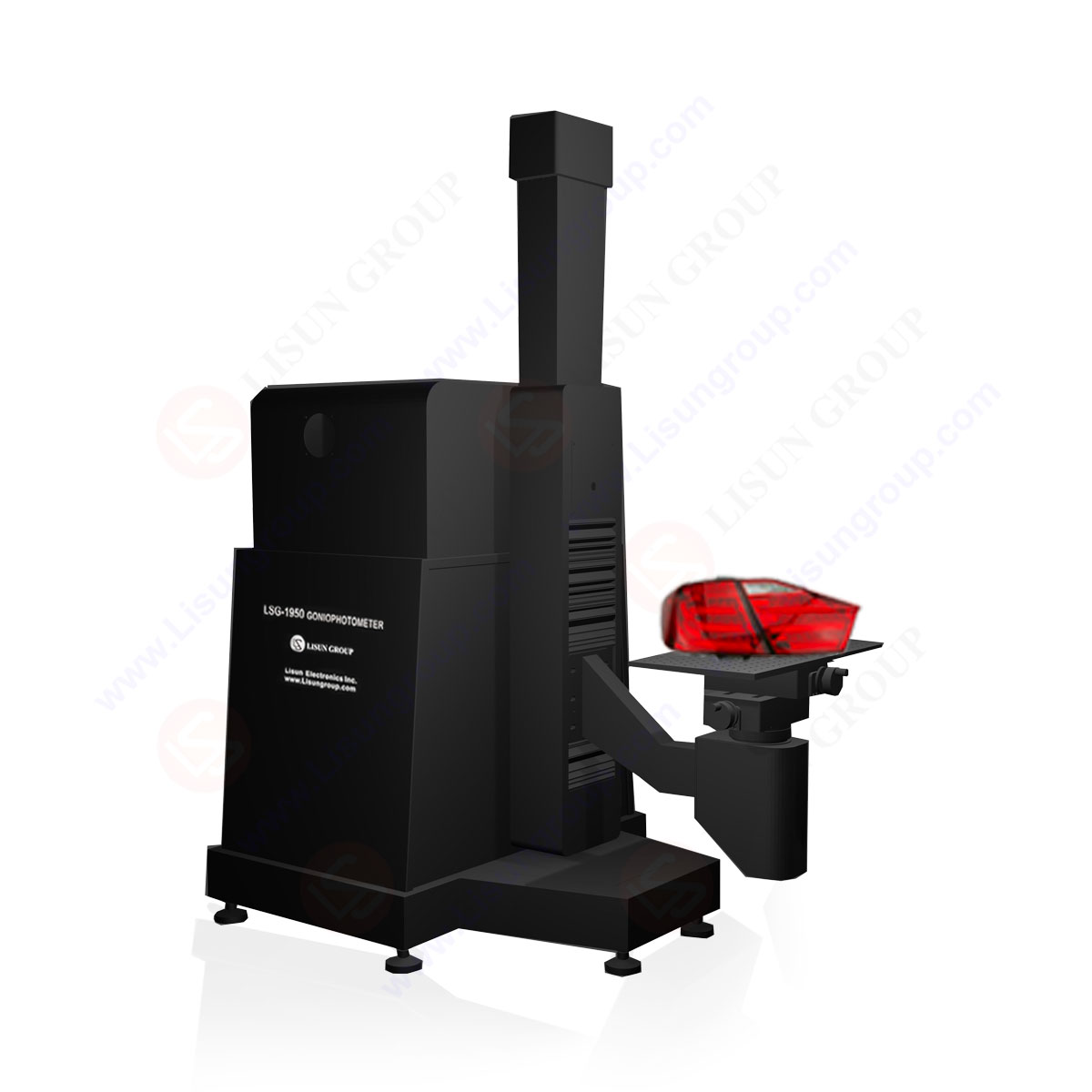
Goniophotometer for Automotive and Signal Lamps
LSG-1950
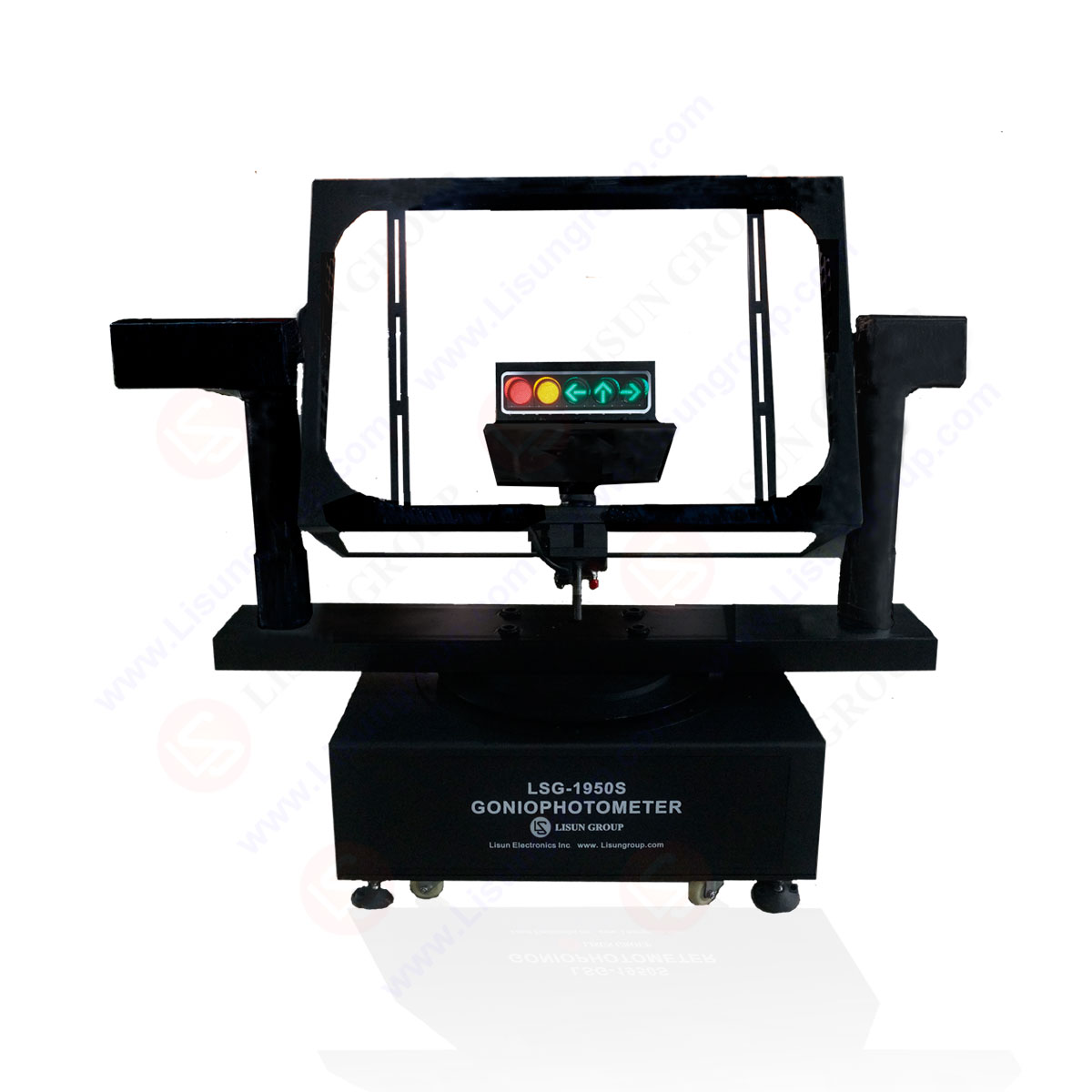
Goniophotometer for Traffic Signal Lamps
LSG-1950S
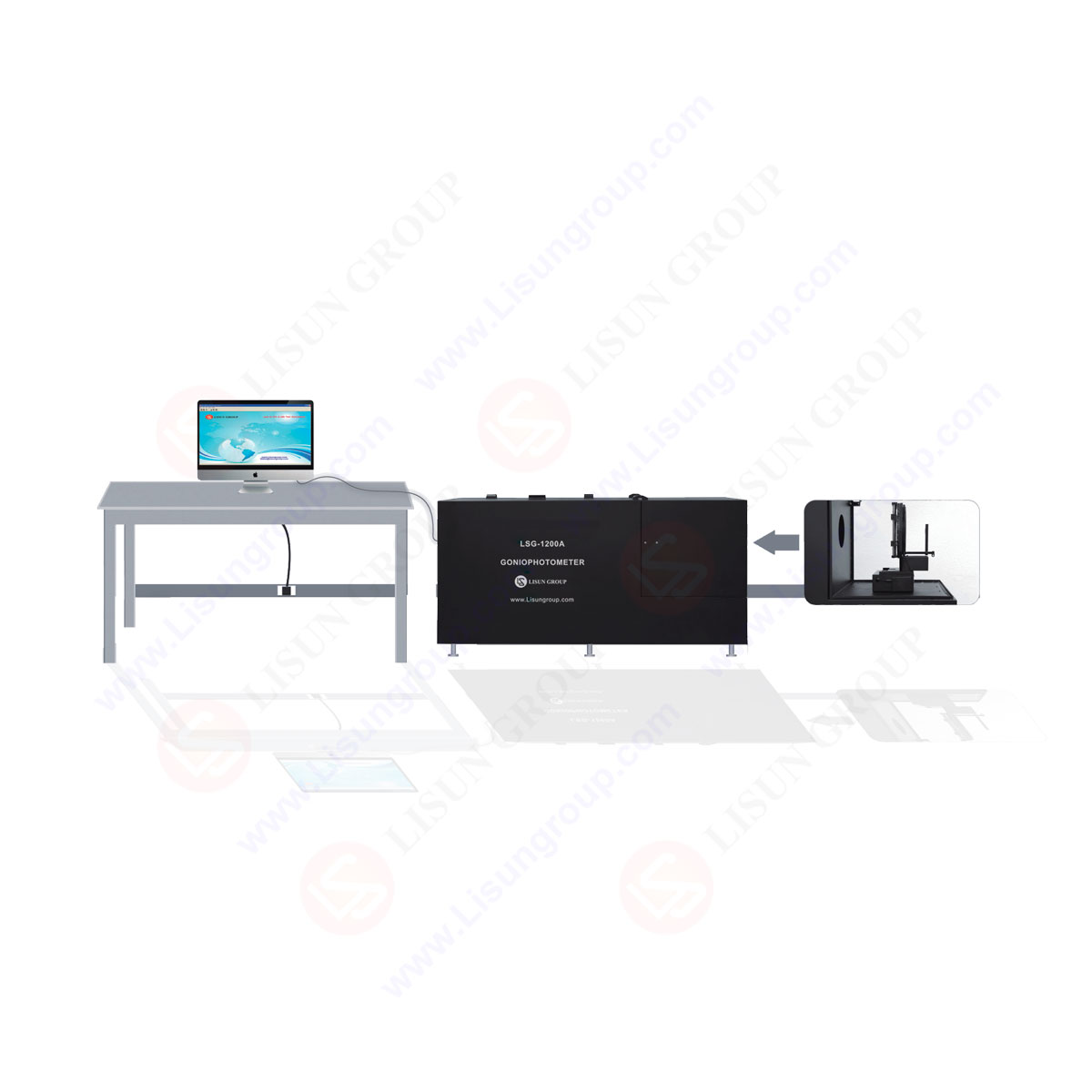
Compact Goniophotometer
LSG-1200A

Near Field Moving Detector Goniophotometer
LSG-1900B
 LEDs and Luminaire Test Solutions
 LM-79 and LM-80 Test Solutions
 LED Driver Test Solutions
 Household Appliances Test Solutions
 Mobile and Network Test Solutions
 Automotive Electronics Test Solutions
 Audio-Video and IT Test Solutions
 Cable and Wire Test Solutions
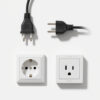 Plugs and Sockets Test Solutions
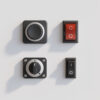 Power Switch Test Solutions
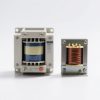 Transformer Test Solutions
 Electric Toys Test Solutions
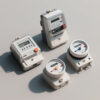 Energy Meter Test Solutions
 Motor-Operated Tool Test Solutions
Select an organization
to browse standards
Hot wire test is a common experiment methodology that is used to study the combustibility and thermal stability of materials. By placing the material above the hot wire and heating the hot wire, it is possible to evaluate the fire hazard and fire protection performance of the material by observing whether the material is ignited and the burning behavior after ignition.
The principle of hot wire ignition test is to utilize the heating effect of hot wire to expose the material to high temperature conditions to simulate the thermal radiation that the material receives in a fire. When the temperature of the hot wire reaches a certain degree, the material may be ignited and generate flames and smokes.
hot wire ignition test is mainly used for the fire hazards test of the materials of electronic and electronic products and household appliances. It is equivalent to simulate a thermal source or simulate the photofinishing element and overload, which is very easy to cause thermal stress in a very short time. Hot wire ignition tester adopts standard size (diameter: 0.5mm; length: 250mm) and special material (Ni80/Cr20), pre-annealing of heating wire and required heating power (0.26W/mm), designated time (8s~12s). The heating wire is heated on five sample loops according to the certain winding wire tension (5.4N) and certain winding wire distance (6.35mm). Then take the packaging heating wire to test until 120s and at the heating power of 0.26W/mm, users can judge the fire hazard according to whether the sample is ignited and the time of the ignition.
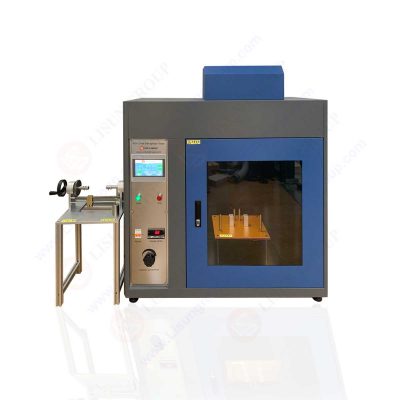
RSY-LT Hot Wire Ignition tester
Hot wire ignition tester is designed and manufactured according to “Hot Wire Ignition Test Method” in IEC60695-2-20GB4943 and GB4706 standards, applicable to the fire hazards of electrical and electronic products, household appliances materials. It simulates the thermal stress caused by hot component or overload resistance such as thermal source or point source in a short time. Hot wire ignition tester adopts 1.2mm stainless steel plate, imported instruments (Korean Autonics) display, convenient operation and stable performance, suitable for all levels of quality inspection departments and related enterprises to carry out flame retardant test.
When the components or parts are under fault or overload conditions, they may reach too high temperature or ignite the parts near them. The hot wire ignition test simulates the thermal stress caused by hot component or overload resistance such as thermal source or point source in a short time, and evaluates the fire hazard with simulation technology, which is suitable for plastic and non-metallic insulation materials components used in electrical and electronic products, components and household appliances parts such as: switch shell, relay socket.
Tags:RSY-LTYour email address will not be published. Required fields are marked *

 English
 中文简体
中文简体 English
 Русский
 Español
 Português
 Türkçe
 العربية
 Deutsch
 Polski
 Italiano
 Français
 한국어
한국어 ไทย
ไทย Tiếng Việt
 日本語
日本語