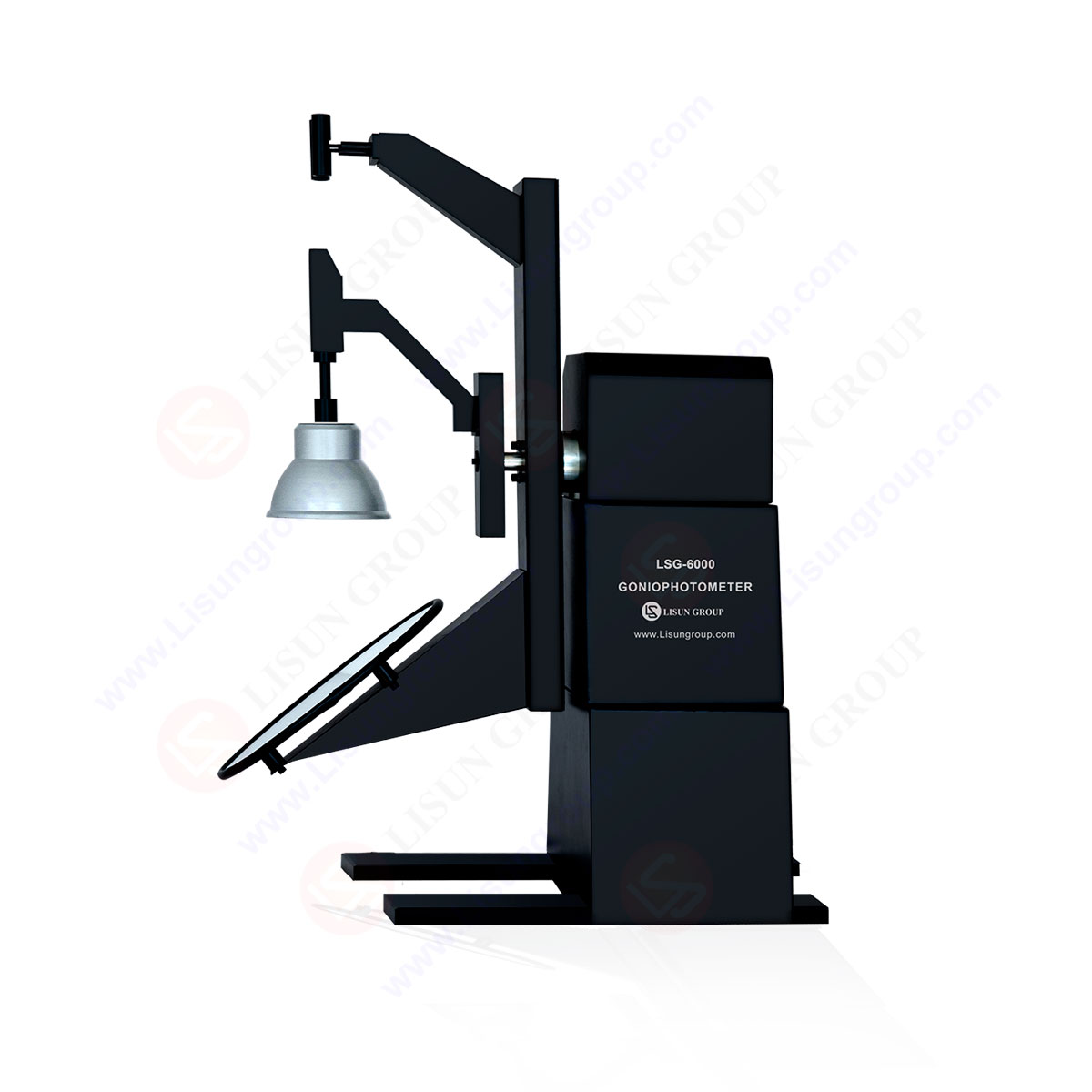
LM-79 Moving Detector Goniophotometer (Mirror Type C)
LSG-6000
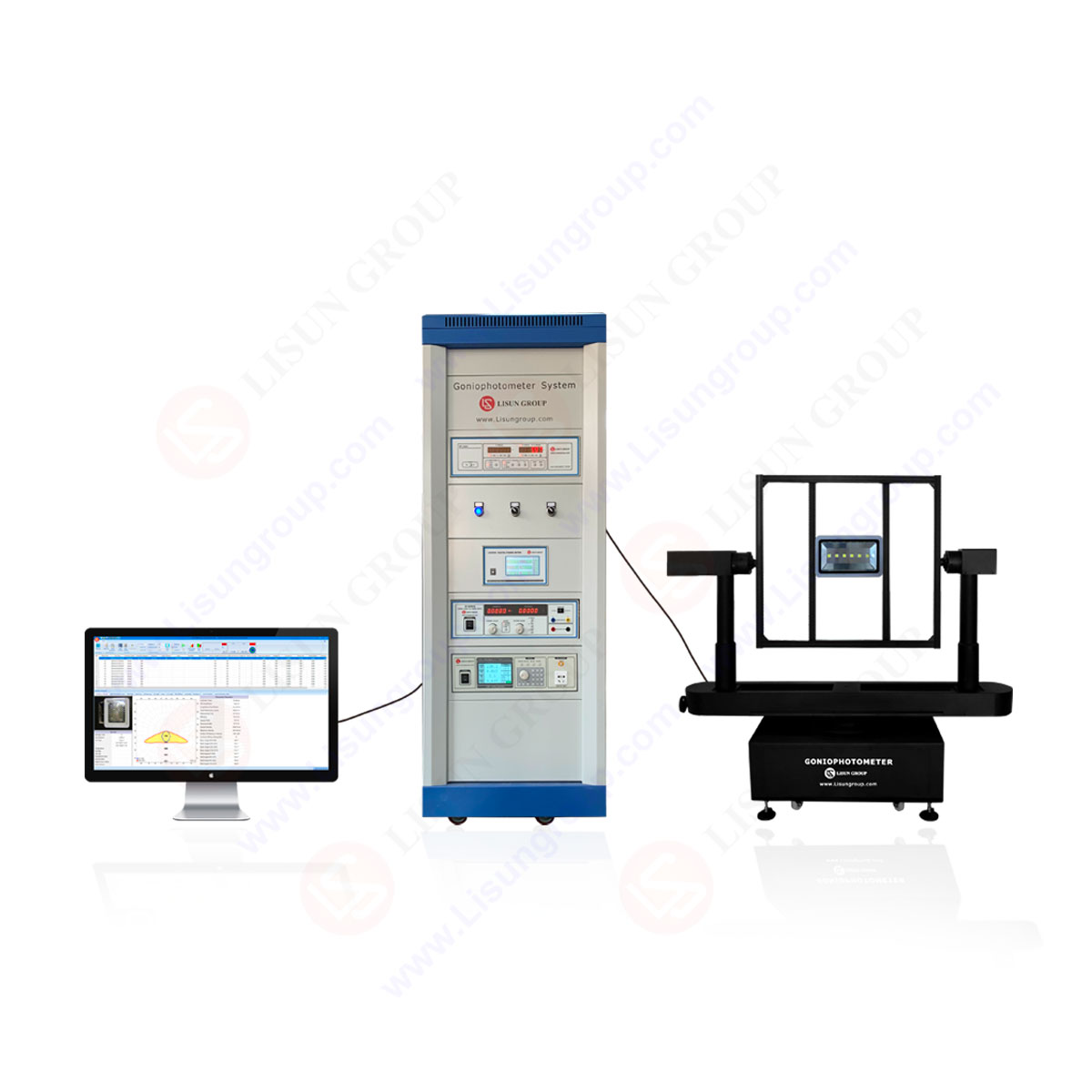
High Precision Rotation Luminaire Goniophotometer
LSG-1890B
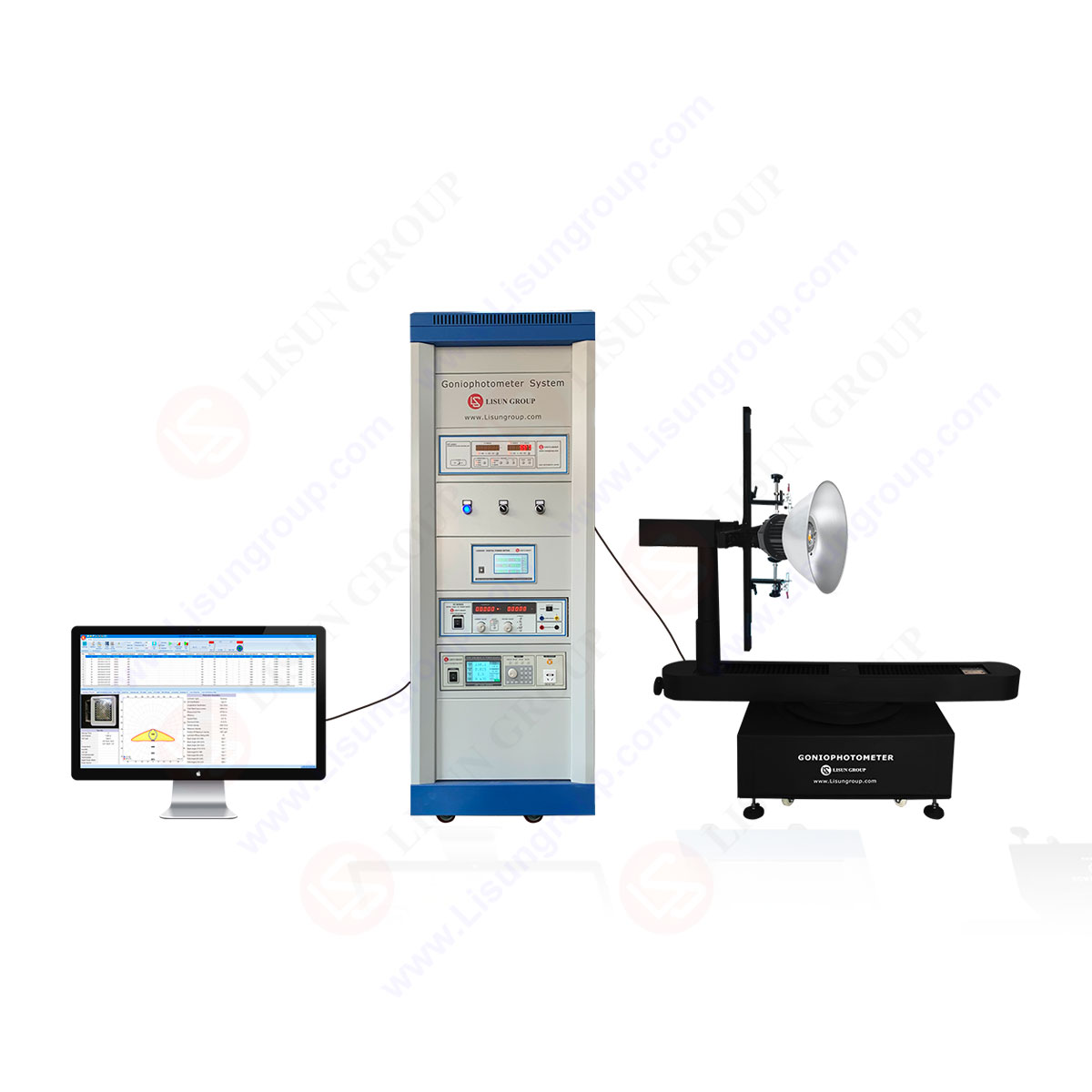
High Precision Rotation Luminaire Goniospectroradiometer
LSG-1890BCCD
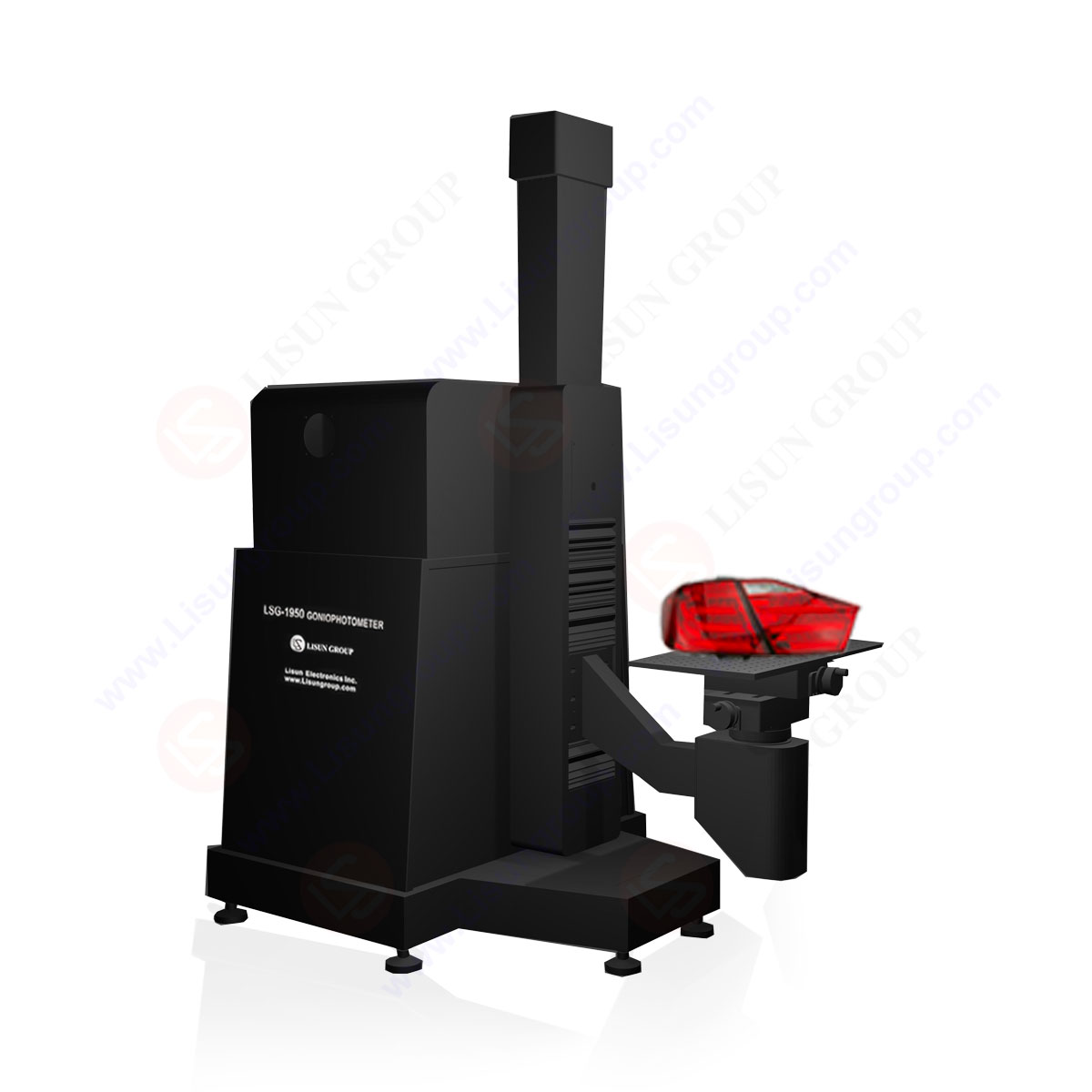
Goniophotometer for Automotive and Signal Lamps
LSG-1950
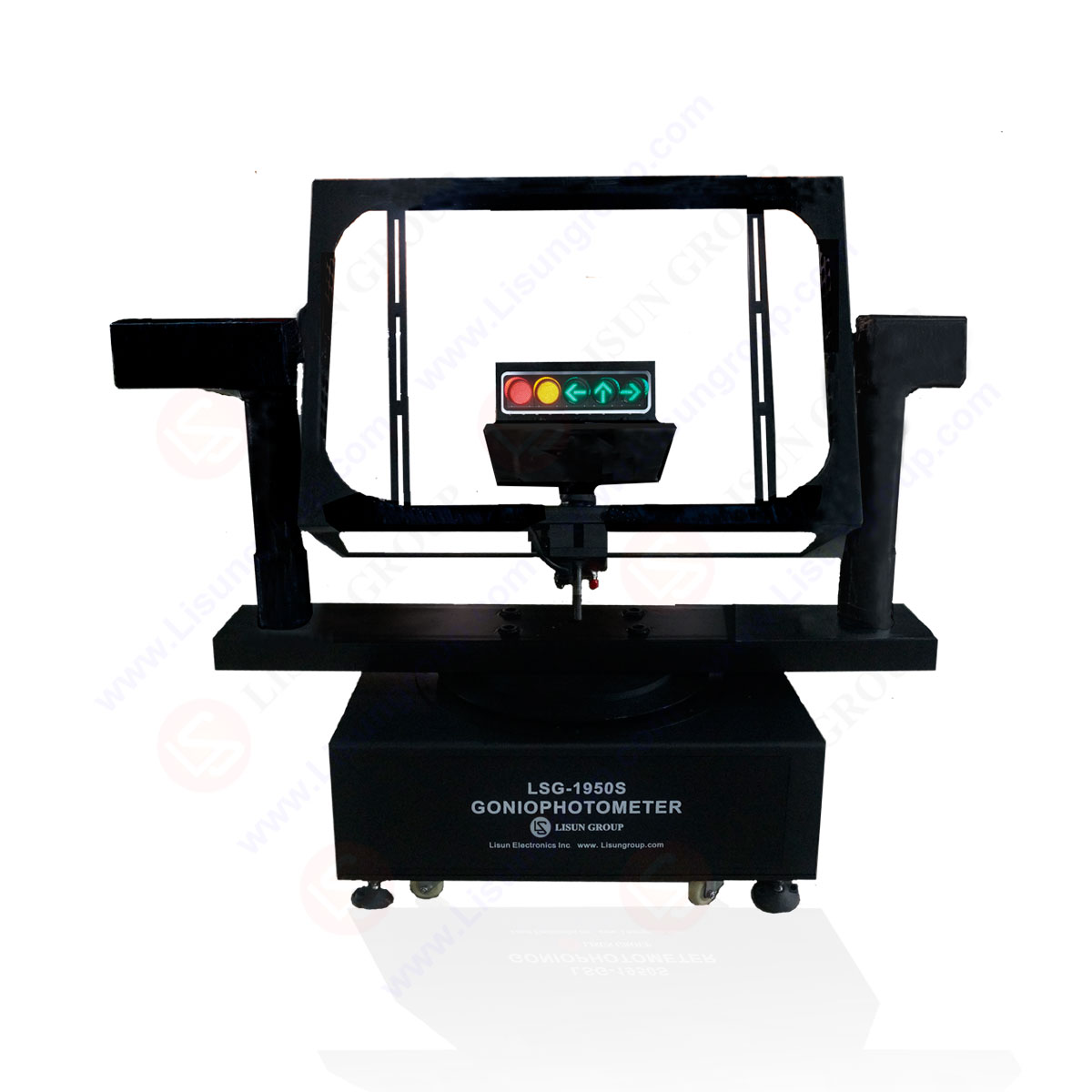
Goniophotometer for Traffic Signal Lamps
LSG-1950S
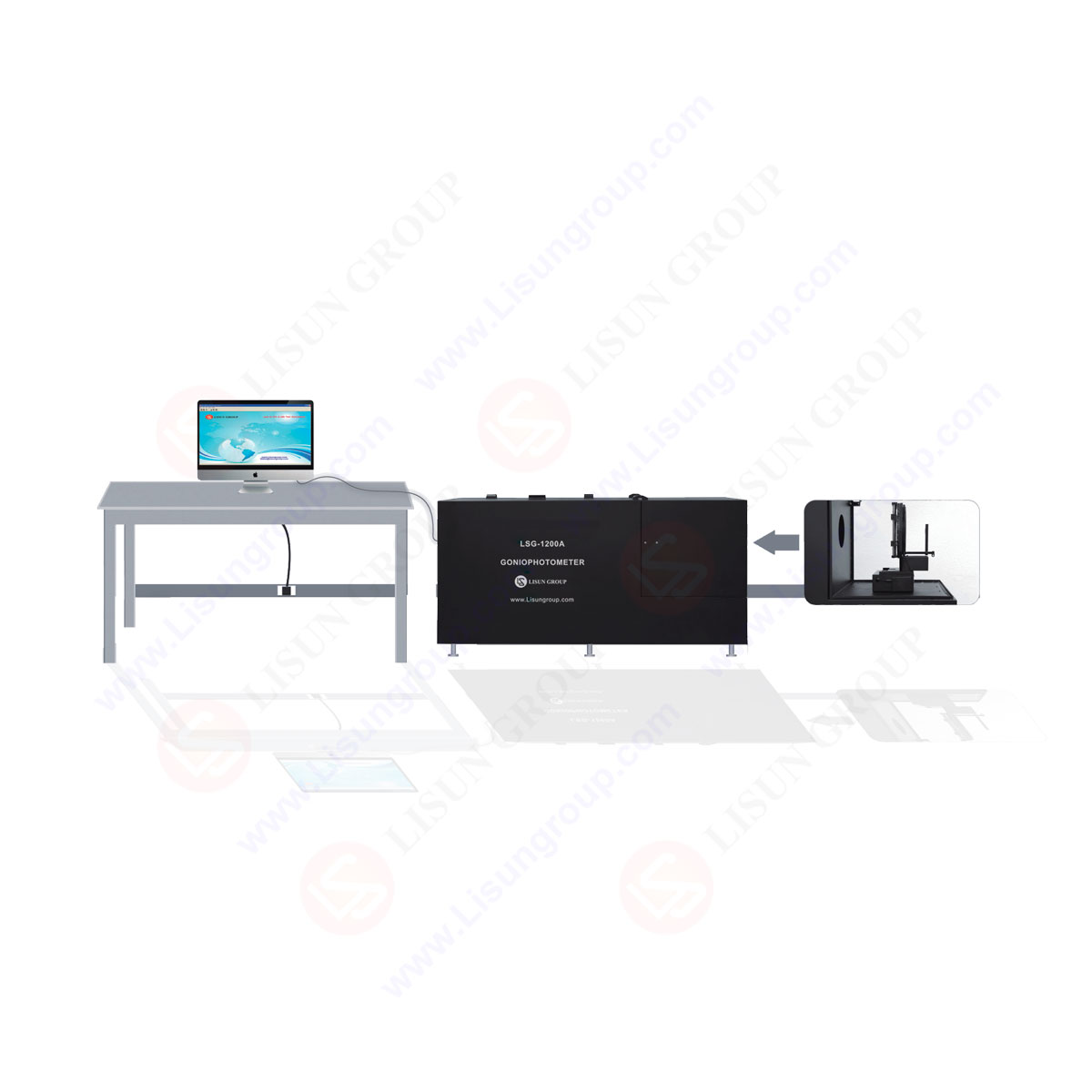
Compact Goniophotometer
LSG-1200A

Near Field Moving Detector Goniophotometer
LSG-1900B
 LEDs and Luminaire Test Solutions
  LM-79 and LM-80 Test Solutions
  LED Driver Test Solutions
  Household Appliances Test Solutions
  Mobile and Network Test Solutions
  Automotive Electronics Test Solutions
  Audio-Video and IT Test Solutions
 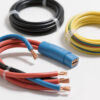 Cable and Wire Test Solutions
  Plugs and Sockets Test Solutions
 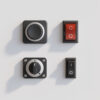 Power Switch Test Solutions
 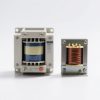 Transformer Test Solutions
  Electric Toys Test Solutions
 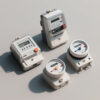 Energy Meter Test Solutions
  Motor-Operated Tool Test Solutions
 Select an organization
to browse standards
1. Sample Pressure Treatment: Place the sample under the pressure device and subject it to one hour of pressure, ensuring testing in an abnormally high-temperature environment. This step aims to simulate the behavior of the sample under specific environmental conditions.
2. Heating Stage: Place the sample in a preheating oven, ensuring that the internal temperature stabilizes at 125°C±2°C. After one hour of constant temperature treatment, remove the sphere applied on the sample to facilitate subsequent observations.
3. Cooling Treatment: Quickly immerse the heated sample into cold water, with a cooling time of approximately 10 seconds, to rapidly reduce the temperature to room temperature. This aids in observing the sample’s reaction to temperature changes.
4. Observation of Phenomena: Throughout the entire process, closely observe any changes, deformations, or other phenomena in the sample. This may include surface conditions, structural alterations, etc., providing reliable data for a comprehensive assessment of the sample’s performance.
Through the above steps, we can systematically test the stability and responsiveness of the samples under high-temperature conditions, providing strong support for the performance assessment of products or materials.
The ball pressure testing equipment is used in the research, production, and quality inspection fields of electrical and electronic products, as well as their components and parts, including lighting equipment, low-voltage electrical appliances, household appliances, machine tool electrical appliances, motors, power tools, electronic instruments, electrical instruments, information technology equipment, electrical affairs equipment, electrical connectors, and accessories. It is also widely applicable in the insulation materials and engineering plastics industries.
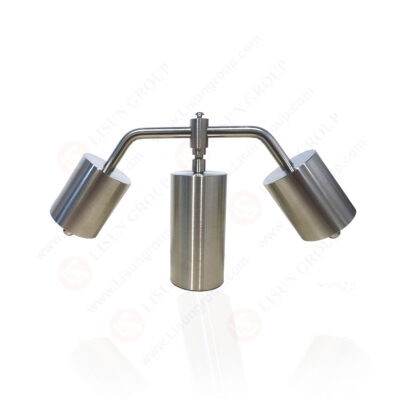
ZBP-T_Ball Pressure Test Device
1. Temperature Stabilization: Before conducting the ball pressure test, ensure that the testing environment temperature is stable. The sample should be placed for testing only after the temperature has stabilized.
2. Sample Size and Preparation: The size of the sample should be moderate. If the sample is too large, it is recommended to cut it into small pieces of at least 2mm thickness for testing. The tested sample should be placed on a steel plate with a thickness of at least 3mm to ensure direct contact. The sample should be placed horizontally, and a force of 20N should be applied to firmly press the hemisphere of the test equipment onto its surface.
3. Consideration for Insulation Materials: For insulation materials, the charged body should be tested under conditions of 125°C, while the uncharged body is typically tested at 75°C. When using thermoplastic materials for additional insulation and reinforcement, consider the normal temperature rise according to cl 11.8 and the temperature rise according to cl 19.
4. Cooling Treatment: After one hour of testing, remove the ball pressure tester and immediately immerse the tested sample in water to ensure rapid cooling to room temperature within 10 seconds. Measure the diameter of the indentation, which should not exceed 2mm.
5. Environmental Pre-treatment: Before conducting the test, place the components in an environment with a temperature of 15-35°C and a relative humidity of 45-75% for 24 hours to ensure testing under standard environmental conditions.
Note 2: Only components used for supporting or retaining terminals in coil-shaped frames need to be tested.
Note 3: This test is not applicable to ceramic components.
Tags:ZBP-TYour email address will not be published. Required fields are marked *

 English
 中文简体
中文简体 English
 Русский
 Español
 Português
 Türkçe
 العربية
 Deutsch
 Polski
 Italiano
 Français
 한국어
한국어 ไทย
ไทย Tiếng Việt
 日本語
日本語