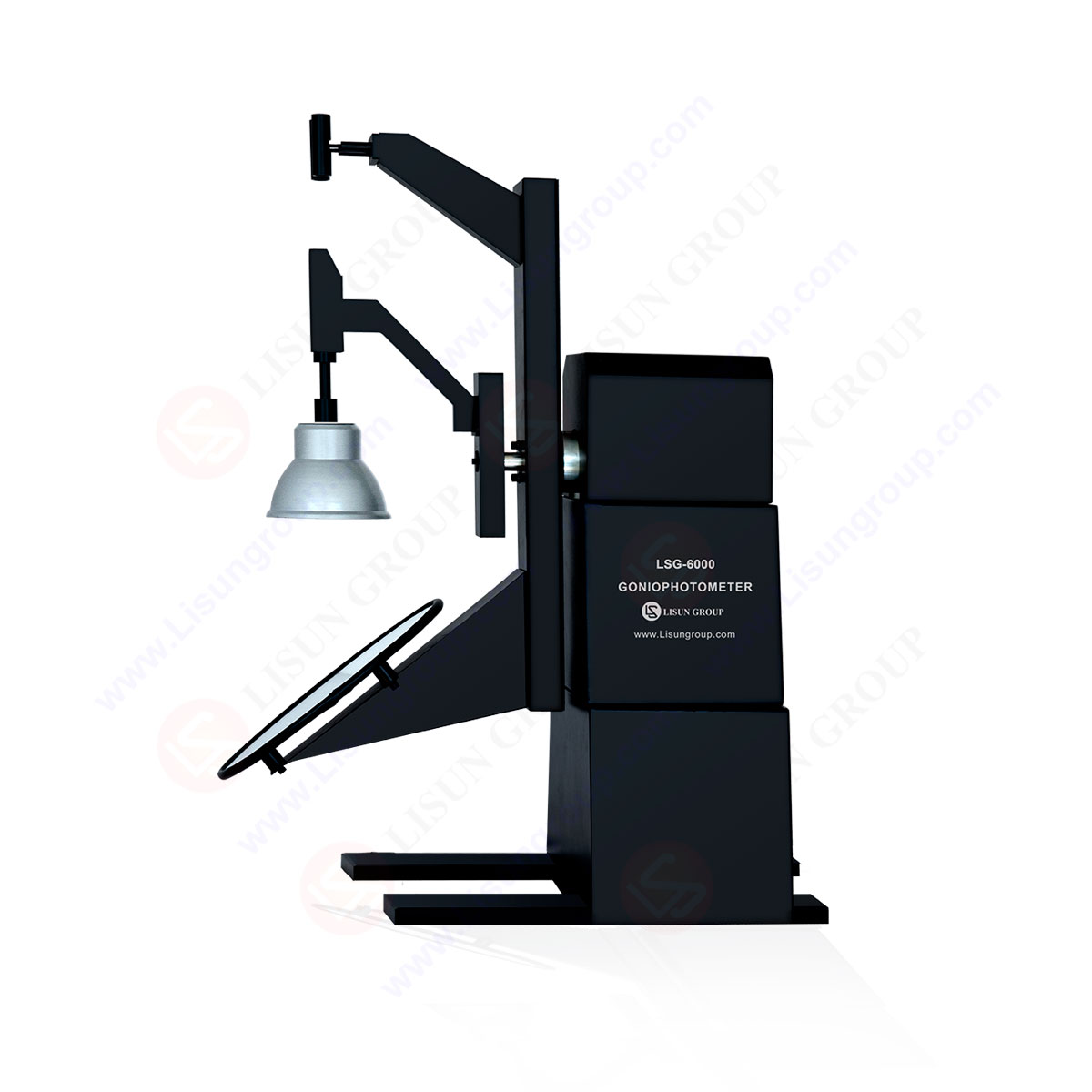
LM-79 Moving Detector Goniophotometer (Mirror Type C)
LSG-6000
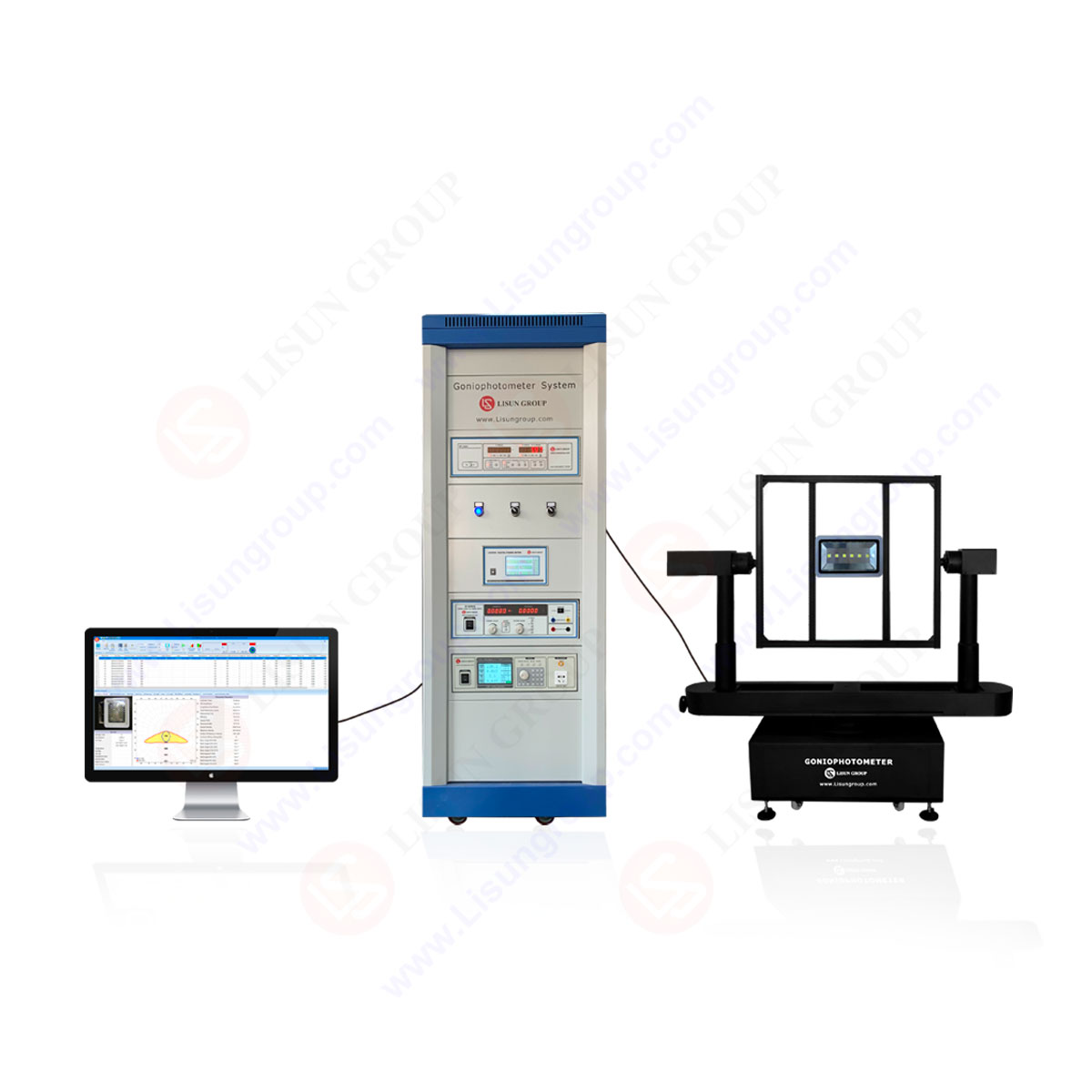
High Precision Rotation Luminaire Goniophotometer
LSG-1890B
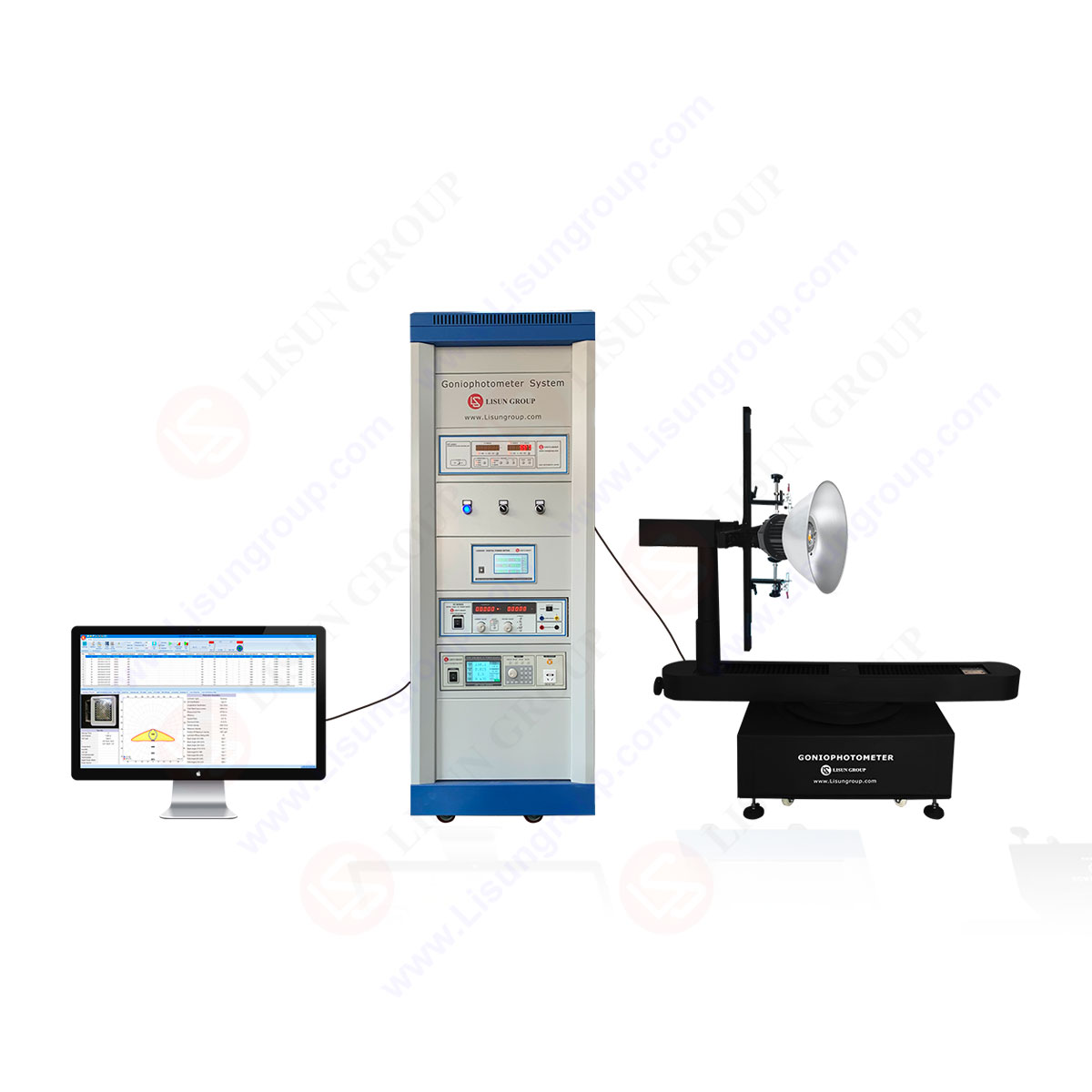
High Precision Rotation Luminaire Goniospectroradiometer
LSG-1890BCCD
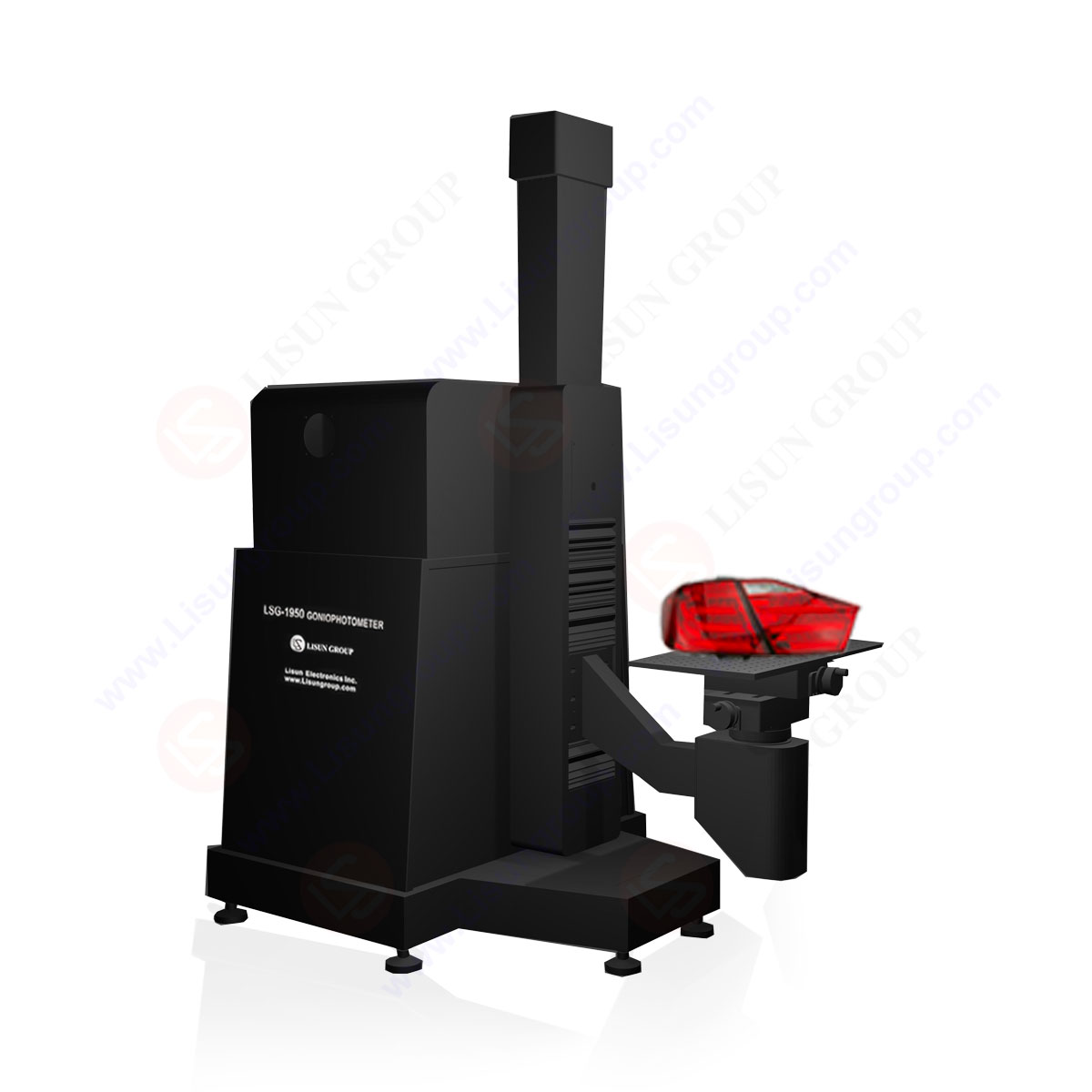
Goniophotometer for Automotive and Signal Lamps
LSG-1950
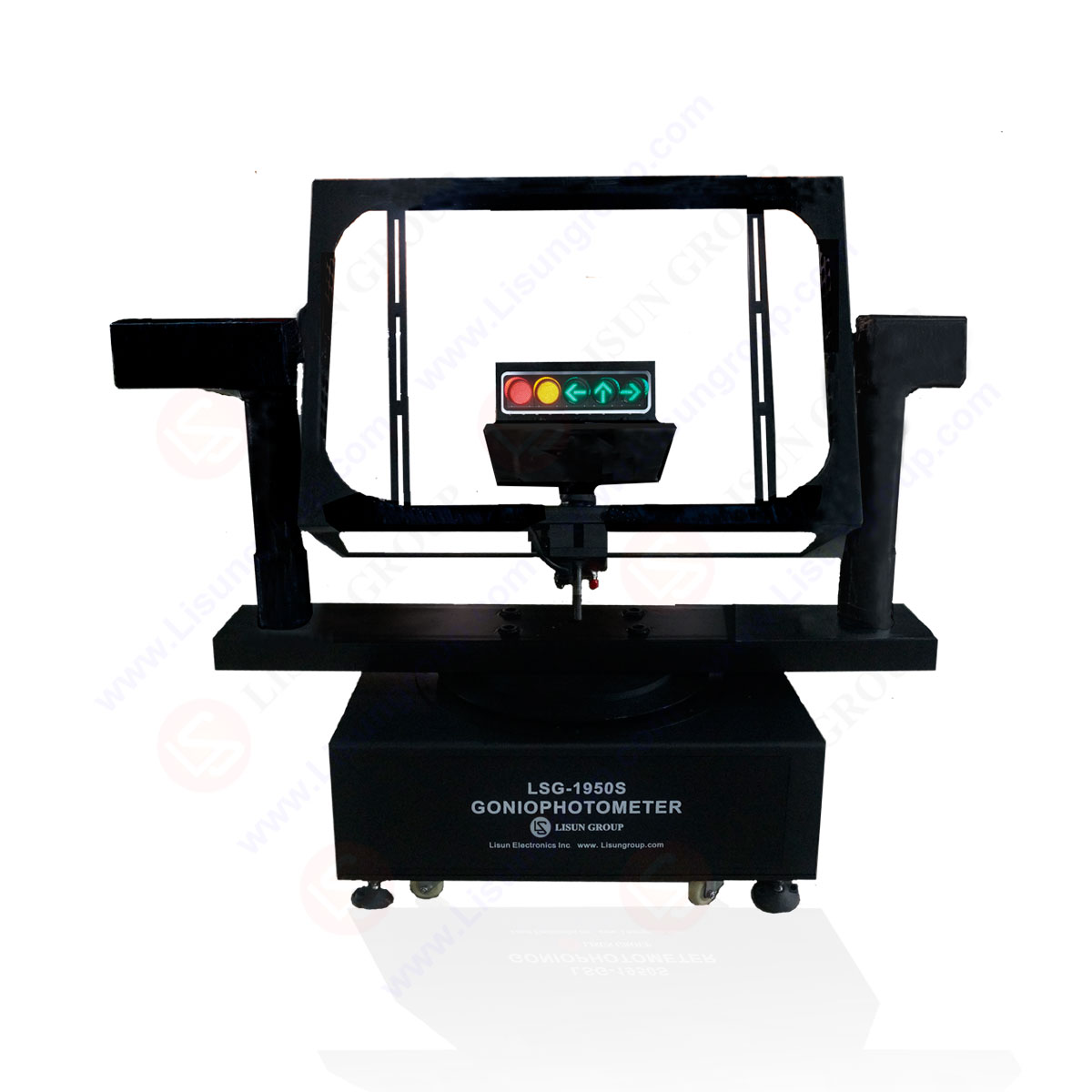
Goniophotometer for Traffic Signal Lamps
LSG-1950S
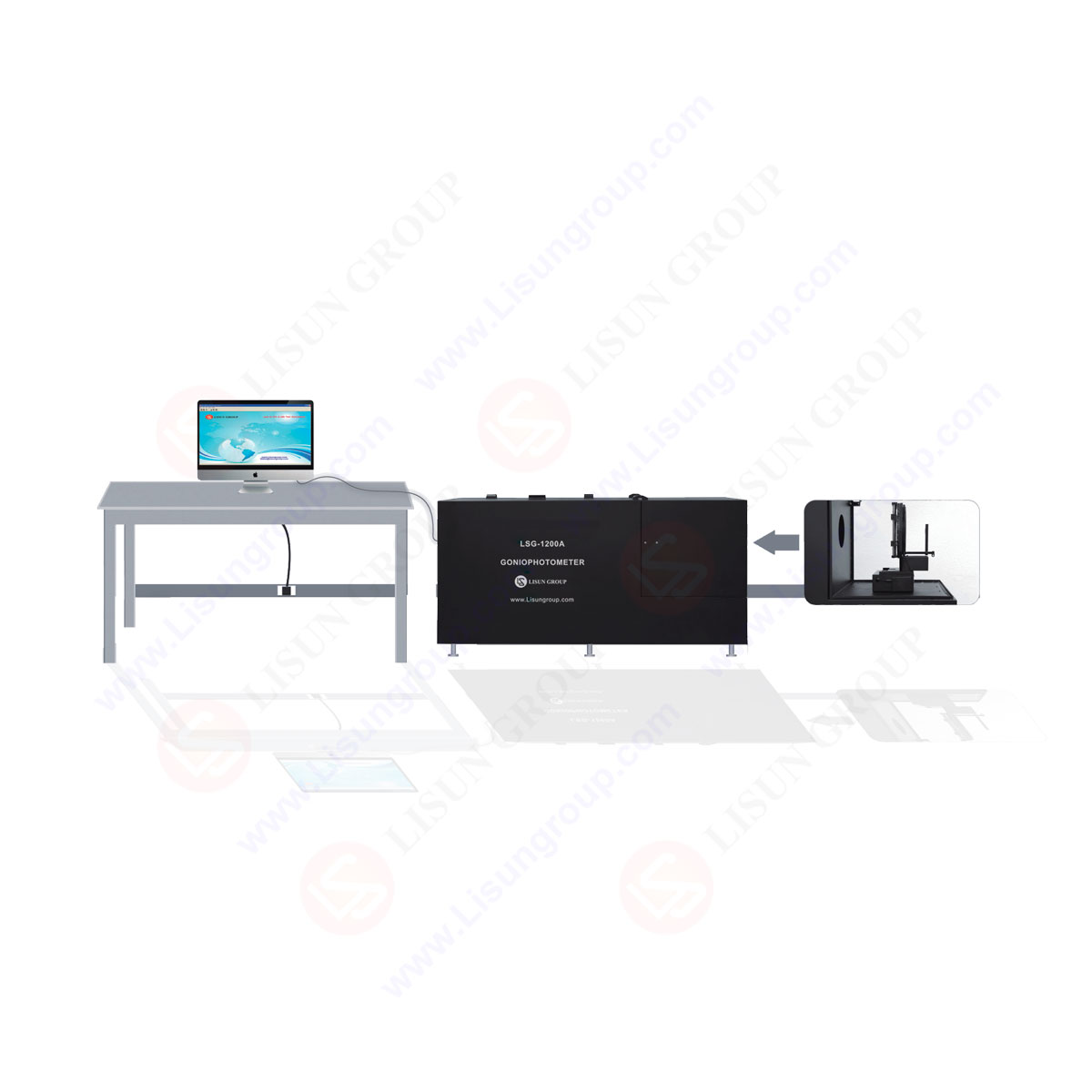
Compact Goniophotometer
LSG-1200A

Near Field Moving Detector Goniophotometer
LSG-1900B
 LEDs and Luminaire Test Solutions
 LM-79 and LM-80 Test Solutions
 LED Driver Test Solutions
 Household Appliances Test Solutions
 Mobile and Network Test Solutions
 Automotive Electronics Test Solutions
 Audio-Video and IT Test Solutions
 Cable and Wire Test Solutions
 Plugs and Sockets Test Solutions
 Power Switch Test Solutions
 Transformer Test Solutions
 Electric Toys Test Solutions
 Energy Meter Test Solutions
 Motor-Operated Tool Test Solutions
Select an organization
to browse standards
Accessible parts of equipment with standard IEC 62368
General
An accessible part of an equipment is a part that can be touched by a body part. For the purposes of dctermining an accessible part, a body part is represented by one or more of the specified test probes.
Accessible parts of an equipment can include parts behind a door, panel, removable cover, etc. that can be opened without the use of a tool.
Accessible parts do not include those that become accessible when floor standing equipment having a mass exceeding 40 kg is tilted.
For equipment intended for building-in or rack-mounting, or for subassemblies and the like for incorporation in larger equipment,accessible parts do not include those that are not accessible when the equipment or subassembly is installed according to the method of mounting or installation specified in the installation instructions.
A part is considered accessible if the instructions or markings intended to be followed require that a person physically contacts that part. This applies without test and irrespective of whether a tool is required to gain access.
Test method 1-Surfaces and openings tested with jointed test probes
For surfaces and openings, the following jointed test probe is applied, without appreciable force and in any possible position, to the surfaces and openings of the equipment:
– the test probe of Figure V.1 for equipment that is likely to be accessible to children;
NOTE 1 Equipment intended for use in homes, schools, public and similar locations is equipment generally considered to be accessible to children, see also Clause F.4.
– the test probe of Figure V.2 for equipment that is not likely to be accessible to children.
Where entry behind a door, panel, removable cover, etc. is possible without the use of a tool, or entry is directed by manufacturer instructions or marking, with or without the use of a tool, the test probe is applied to surfaces and openings in those areas.
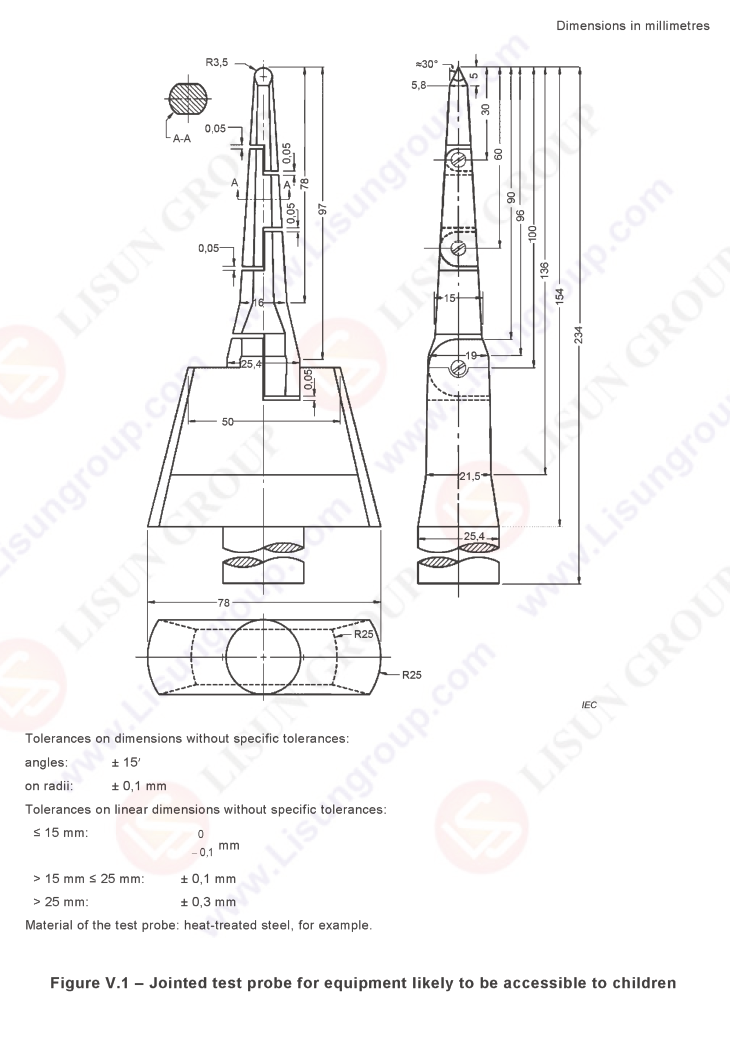
Where the entire probe passes through a large opening (allowing entry of an arm but not of a shoulder), the probe shall be applied to all parts within a hemisphere with radius of 762 mm. The probe handle shall point along a path towards the large opening to simulate the hand on the end of the arm extending through the large opening. The plane of the hemisphere shall be the outside plane of the opening. Any part outside the 762 mm radius hemisphere is deemed not accessible.
NOTE 2The equipment may be dismantled to perform this test.
Test method 2- Openings tested with straight unjointed test probes
Openings preventing access to a part by the applicable jointed test probe of Figure V.1 or Figure V.2 are further tested by means of a straight unjointed version of the respective test probe applied with a force of 30 N. If the unjointed probe enters the openings, test method 1 is repeated, except that the applicable jointed version of the test probe is pushed through the opening using any necessary force up to 30 N.
NOTE The test with the unjointed version is to assess if test probe can be forced through the opening. The use of the jointed version can result in the test probe joints bending before the required force is reached.

Test method 3 – Plugs, jacks, connectors
The blunt probe of Figure V.3 is applied without appreciable force and in any possible position to specified parts.
Test method 4 – Slot openings
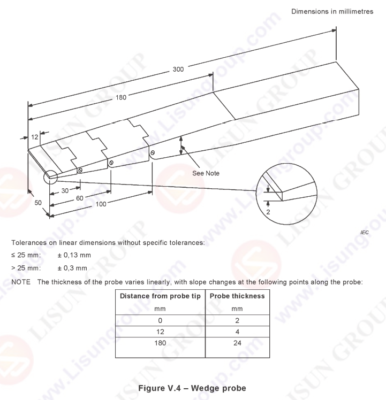
The wedge probe of Figure V.4 is applied as specified
Test method 5 – Terminal intended to be used by an ordinary person
The rigid test wire of the test probe of Figure V.5 is inserted into the applicable opening with a force up to 1 N ±0,1 N and with the length limited to20 mm ±0,2 mm. While inserted, the probe is moved in any angle with minimal force.

Lisun Instruments Limited was found by LISUN GROUP in 2003. LISUN quality system has been strictly certified by ISO9001:2015. As a CIE Membership, LISUN products are designed based on CIE, IEC and other international or national standards. All products passed CE certificate and authenticated by the third party lab.
Our main products are Goniophotometer, Integrating Sphere, Spectroradiometer, Surge Generator, ESD Simulator Guns, EMI Receiver, EMC Test Equipment, Electrical Safety Tester, Environmental Chamber, Temperature Chamber, Climate Chamber, Thermal Chamber, Salt Spray Test, Dust Test Chamber, Waterproof Test, RoHS Test (EDXRF), Glow Wire Test and Needle Flame Test.
Please feel free to contact us if you need any support.
Tech Dep: Service@Lisungroup.com, Cell/WhatsApp:+8615317907381
Sales Dep: Sales@Lisungroup.com, Cell/WhatsApp:+8618117273997
Your email address will not be published. Required fields are marked *
 English
 中文简体
中文简体 English
 Русский
 Español
 Português
 Türkçe
 العربية
 Deutsch
 Polski
 Italiano
 Français
 한국어
한국어 ไทย
ไทย Tiếng Việt
 日本語
日本語